statement
Does the sea have any significance?
The sea simply stretches out before us. It is always humans who give it meaning. While humans have feared the sea, they have also offered prayers, shared its blessings, and woven words and stories about its overwhelming presence. Perhaps the meaning of the sea is not inherent in the sea itself, but rather something that has been constantly born between the gazes and bodies exchanged between humans and the sea.
Around the world, there are festivals where people offer prayers to the gods of the sea. There are islands where people feel the wind and the ebb and flow of the tides with their bodies, and where their lives are intertwined with the sea. Architects erect structures facing the ocean, and films and art imbued with the inexpressible murmur of the waves and the memories of the people. We have reaffirmed our connection with the sea by giving it words and expressing it through our art.
There isn't just one ocean. I believe there are as many different oceans as there are people, cultures, and the amount of time etched into them.
This exhibition re-examines the relationship between people and the sea from a multifaceted perspective encompassing architecture, design, art, film, faith, lifestyle, and language. As we contemplate the "meaning of the sea" underlying each of these activities, the profound contours of the culture and spirit we have built together with the ocean begin to emerge.
Gazing at the sea might be like looking back at humanity itself. What does the sea mean to you?
We hope this exhibition will be the beginning of a new encounter with the "sea" for you.
MOON
Founder: Koudai Taguchi
— Exhibition Contents —
The sea and architecture
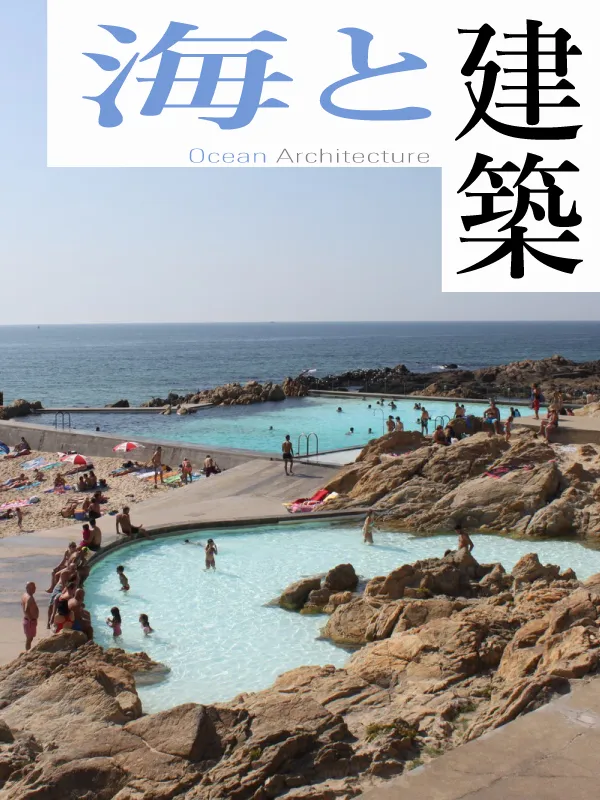
This exhibition re-examines the meaning of the sea, using "architecture," which has reflected the relationship between people and the sea, as a starting point. Architecture that has protected people from the sea, gazed upon the sea, and nurtured the activities of the sea bears the history of how people have confronted the sea. Through interviews with architects, a map of 30 seaside buildings across Japan, and an original essay by writer Minori Kai, we trace the rich story woven by the sea and architecture. Perhaps gazing at the sea is gazing at humanity itself.
Interview: "Asking about the meaning of the sea"
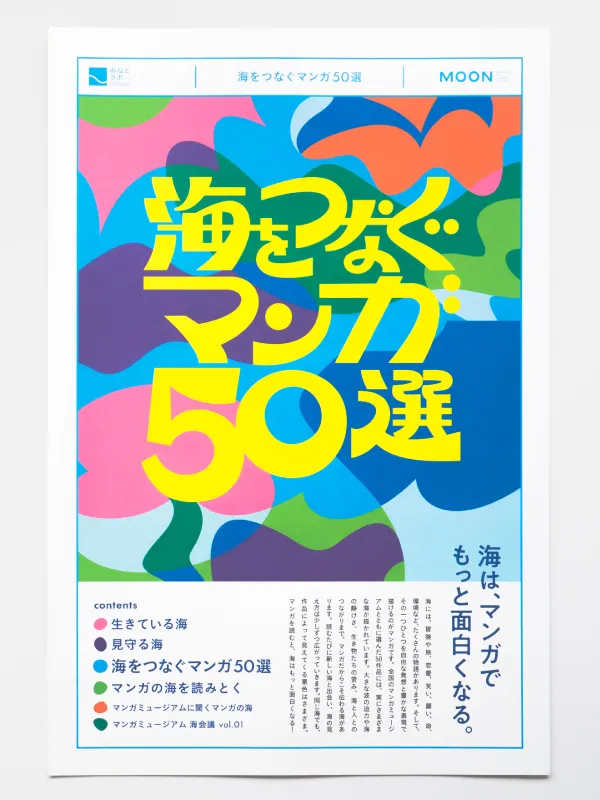
We asked artists, designers, and photographers who create works or conduct research related to the sea about the "meaning of the sea."
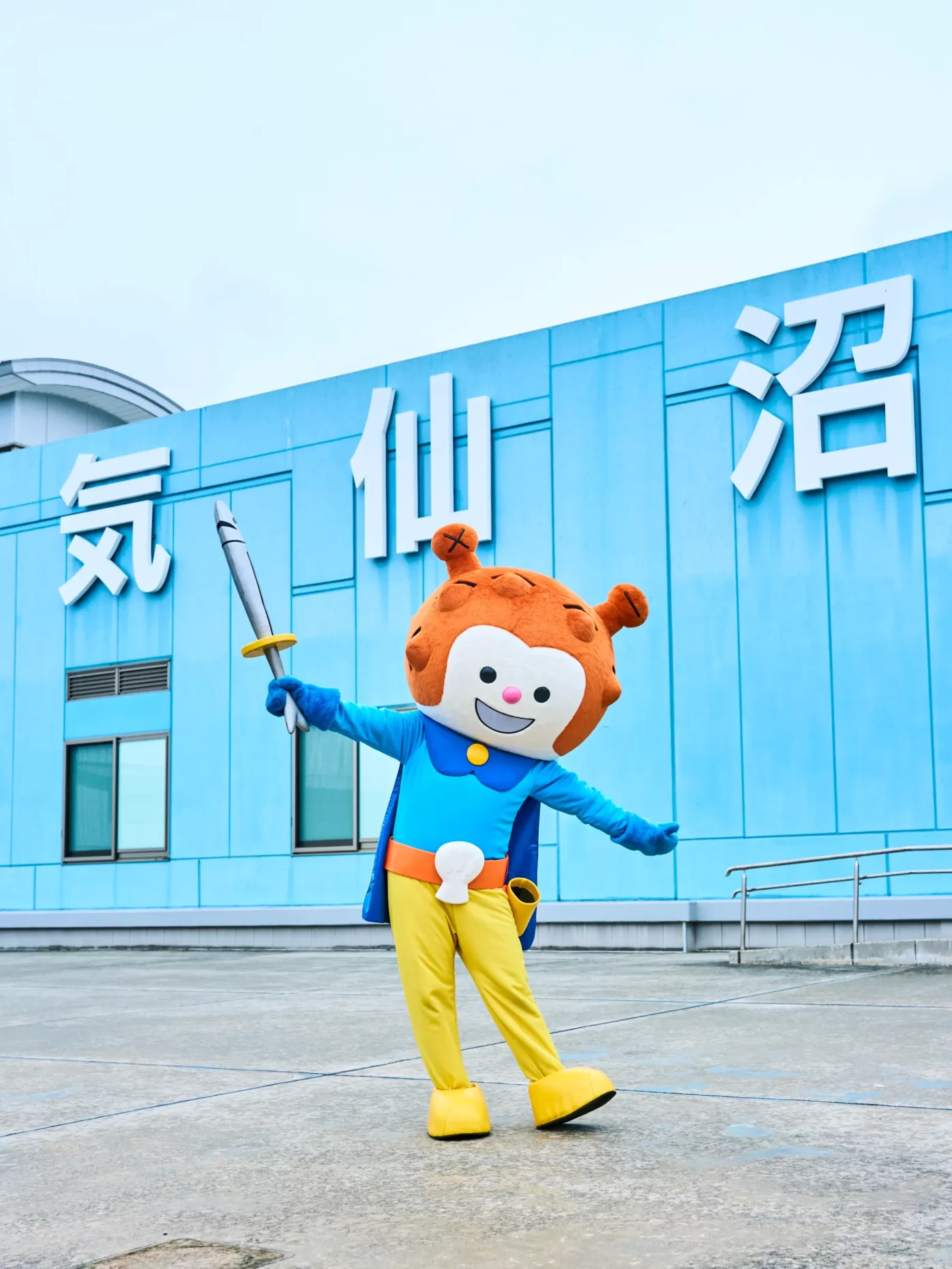
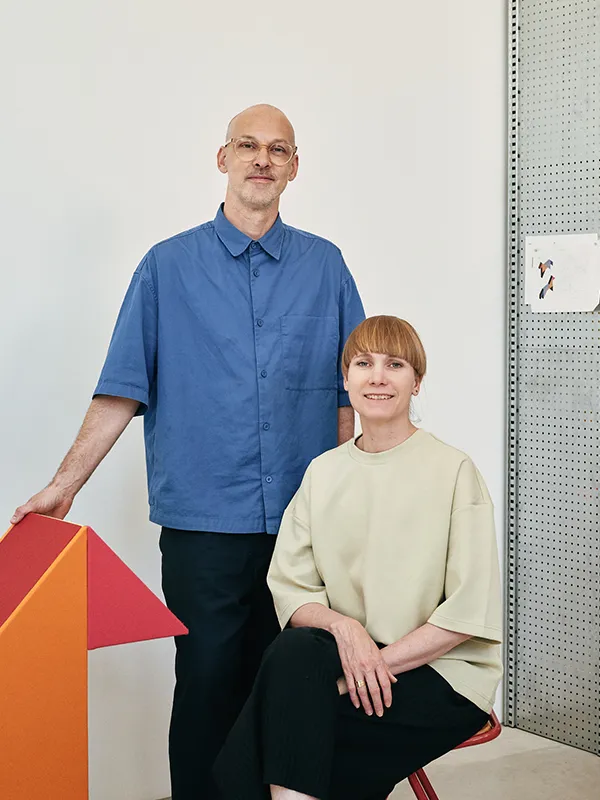
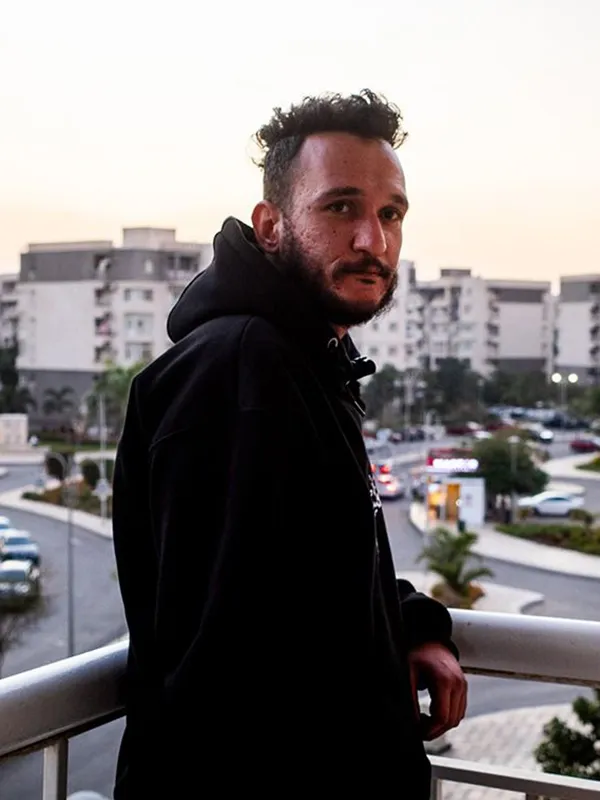
Hoya Boya (the Child of the Sea)
RAW COLOR (Design Duo)
Mohammed Hesham Salem (photographer)
Kohei Kosaka (Spear Fisher)
Tomoko Konishi (Navigator)
<Coming Soon>
Pekka Niittyvirta & Timo Aho (artists)
Ino, Iheya Island, Okinawa
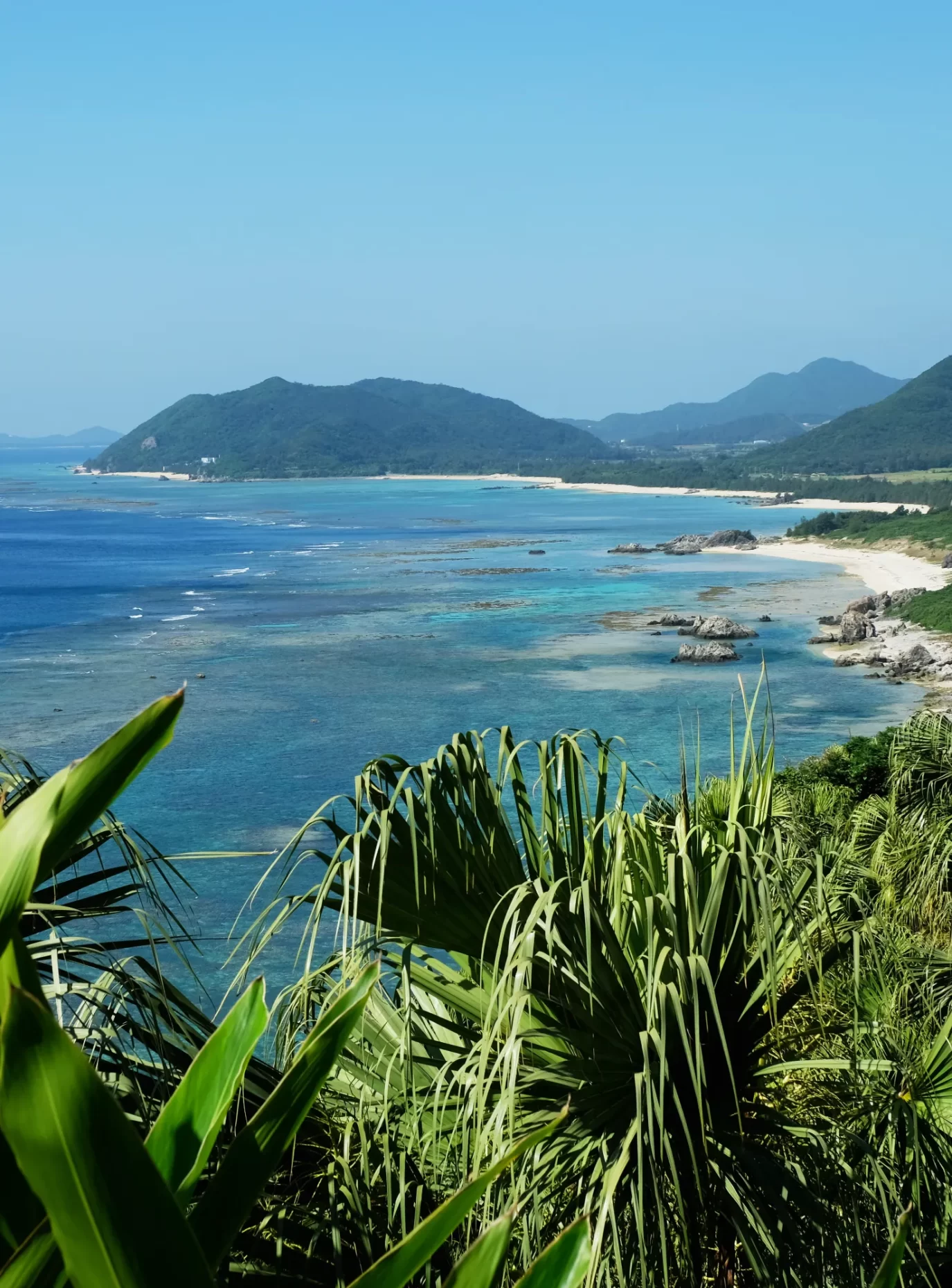
Through the perspective of photographer Naoshi Tsuda, this exhibition examines the landscapes and activities of the "boundary" area known as Inoo on Iheya Island in Okinawa. It traces how people have perceived, given language to, and built relationships with nature, prompting us to re-examine our own worldview as we view the sea.
Salvador Festival - Yemanja and Flower Baskets
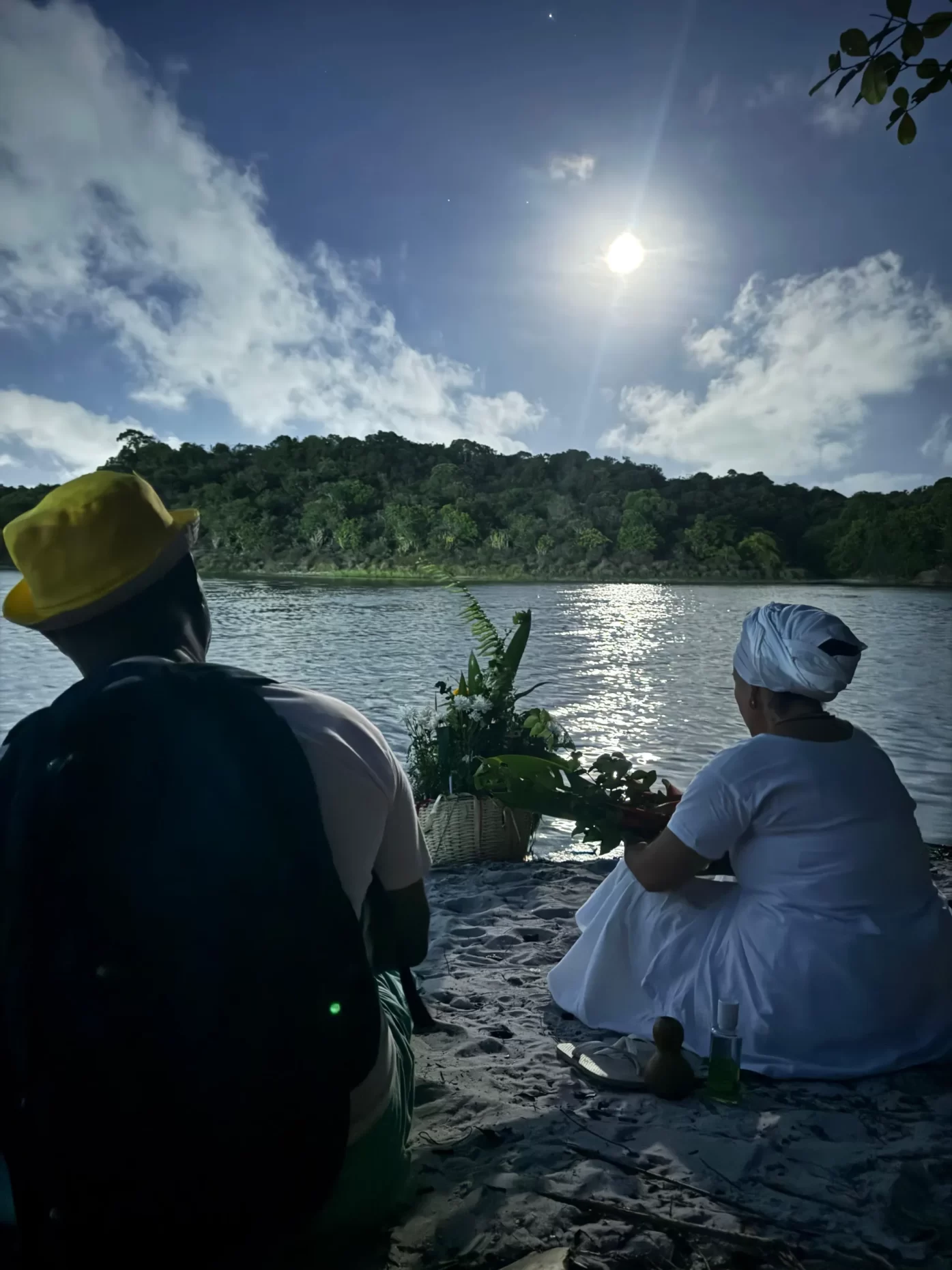
This exhibition is a record of curator Yoshiko Nagai's time in Brazil, exploring festivals born from the worship of the sea goddess "Yemanjá" and the actual prayers of the local people. Why do people entrust their hopes and prayers to the sea? This exhibition examines the relationship between people and the sea, and its meaning.
Walking in the sea of movies
'blue'

FilmmakerYusuke FukuharaThis is a series of essays about travel and film, in which the author selects works that resonate with the theme of the exhibition, visits the filming locations, and expresses thoughts and experiences about the sea from places where image and reality, past and present, overlap.
For the second installment, we visit Yotsugoya, Nishi-ku, Niigata City, Niigata Prefecture, the filming location for "blue" (2003), based on a novel by Kiriko Nananan and directed by Hiroshi Ando.