"The Meaning of the Sea" Vol.1
Hoya Boya (the Child of the Sea)
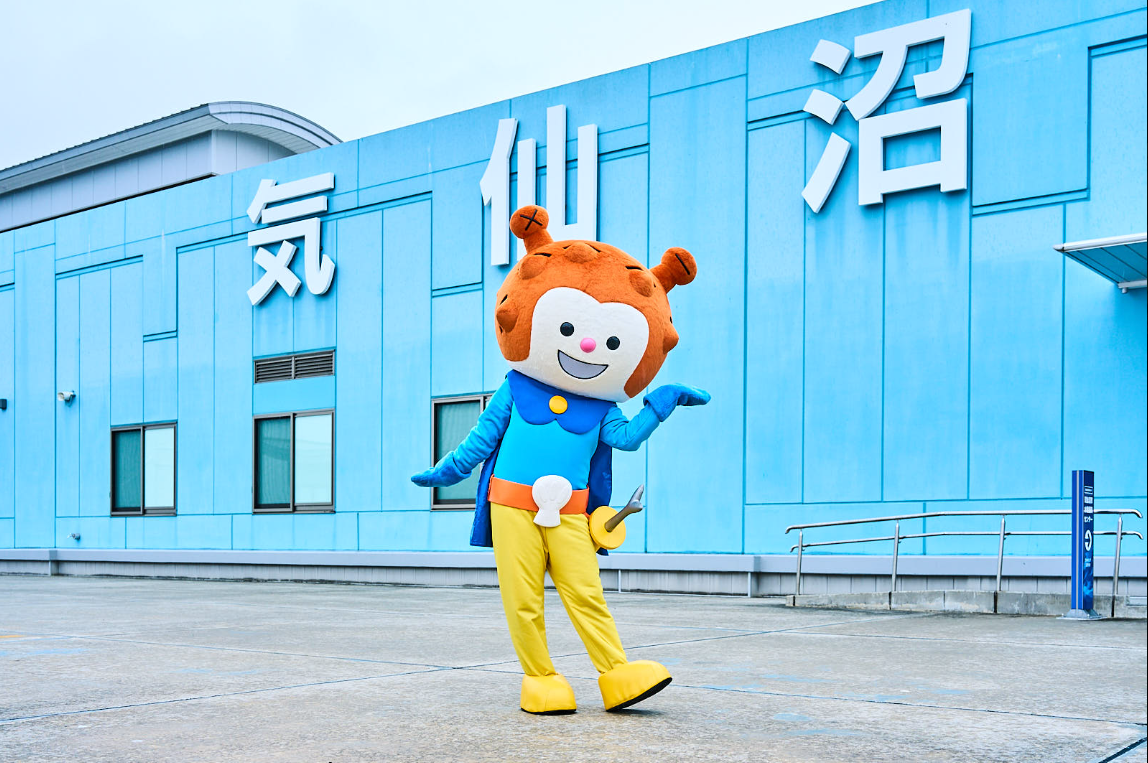
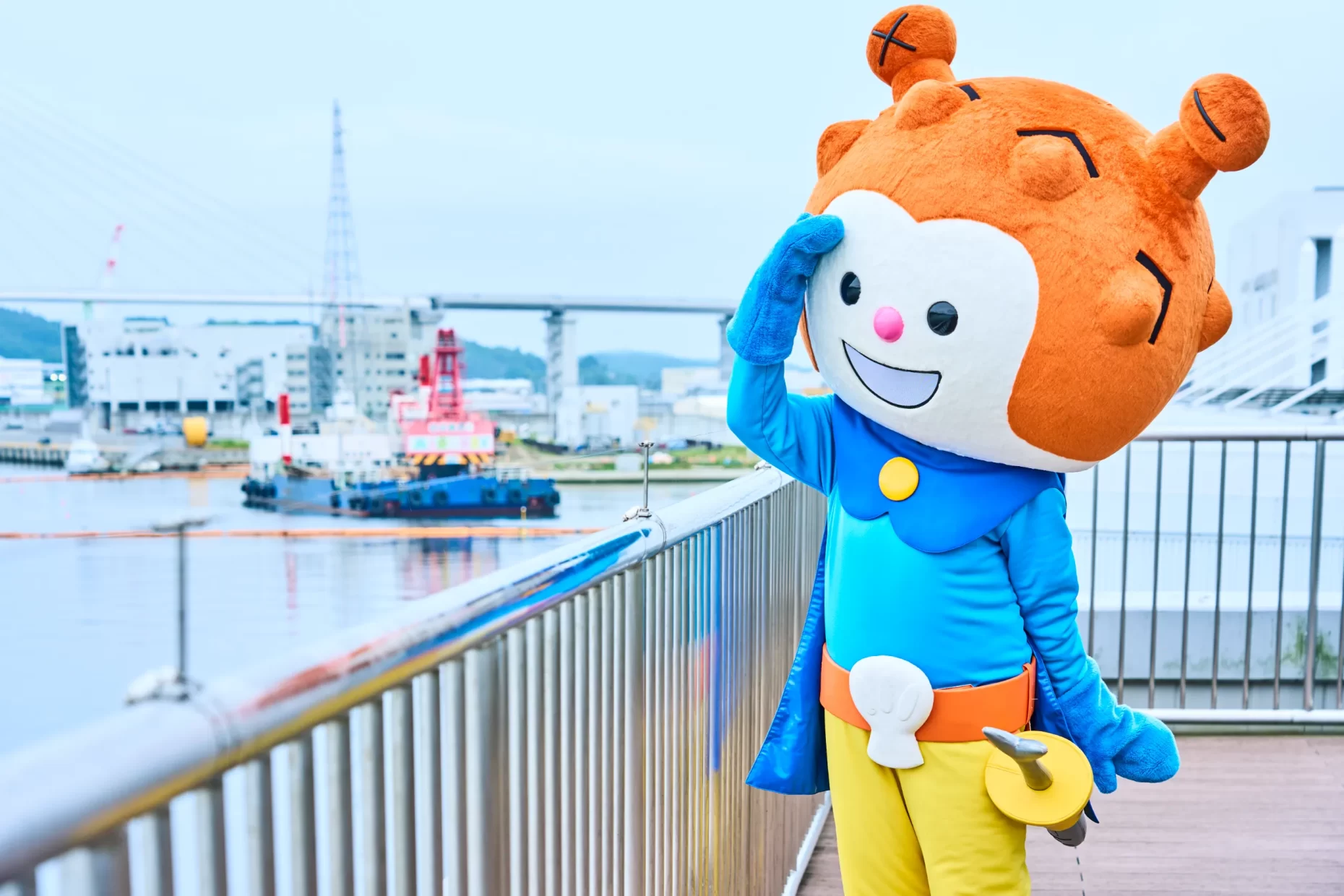
A sea squirt-headed child with a scallop belt, a sharkskin cape, and a saury sword.
Hoya Boya, a character resembling a collection of sea creatures familiar to us, debuted in 2007 as the tourism mascot of Kesennuma City, Miyagi Prefecture. It won first place in Tohoku (26th nationwide) in the "Yuru-Chara Grand Prix 2012," and has continued its steady activities in the community ever since, becoming a household name in Kesennuma. Through shops and merchandise throughout town, it works hard to promote Kesennuma to tourists.
Having seen this town, which "Lives with the Sea(Umi to Ikiru)," not only from land but also from the sea, what does Hoya Boya think about the meaning of the sea?
*To understand the feelings of the shy Hoyaboya, the interview was conducted with the support of Marika Suzuki, staff member of the Kesennuma City Hall Tourism Division.

The Life of the Child of the Sea
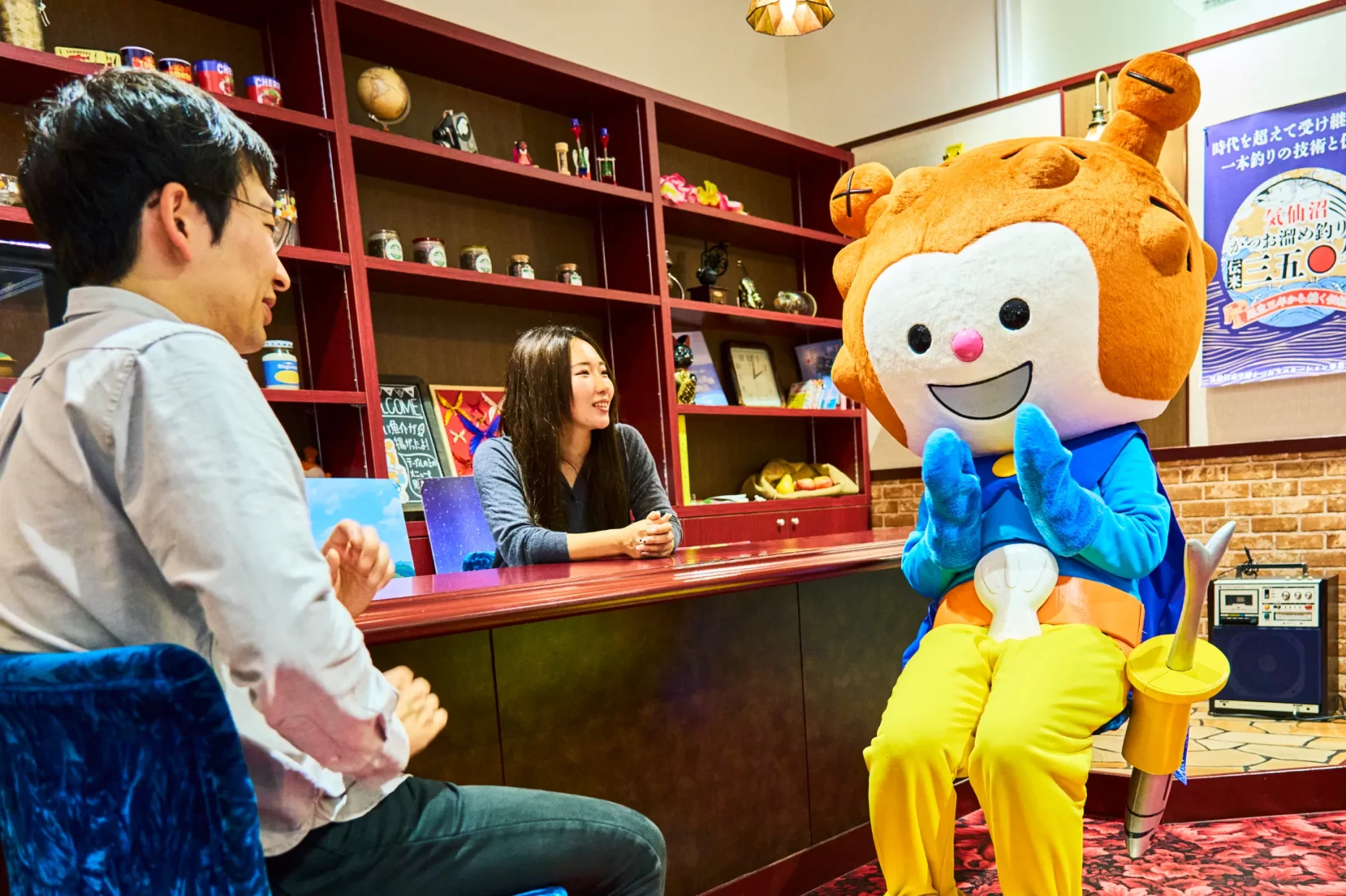
Hoya Boya, who greeted us with a smile, first told us about his lifestyle, which is a little different from that of humans.
"On workdays, I help with patrolling the sea and assisting with sightseeing. On my days off, I spend my time dancing, singing, and basking in the sun."
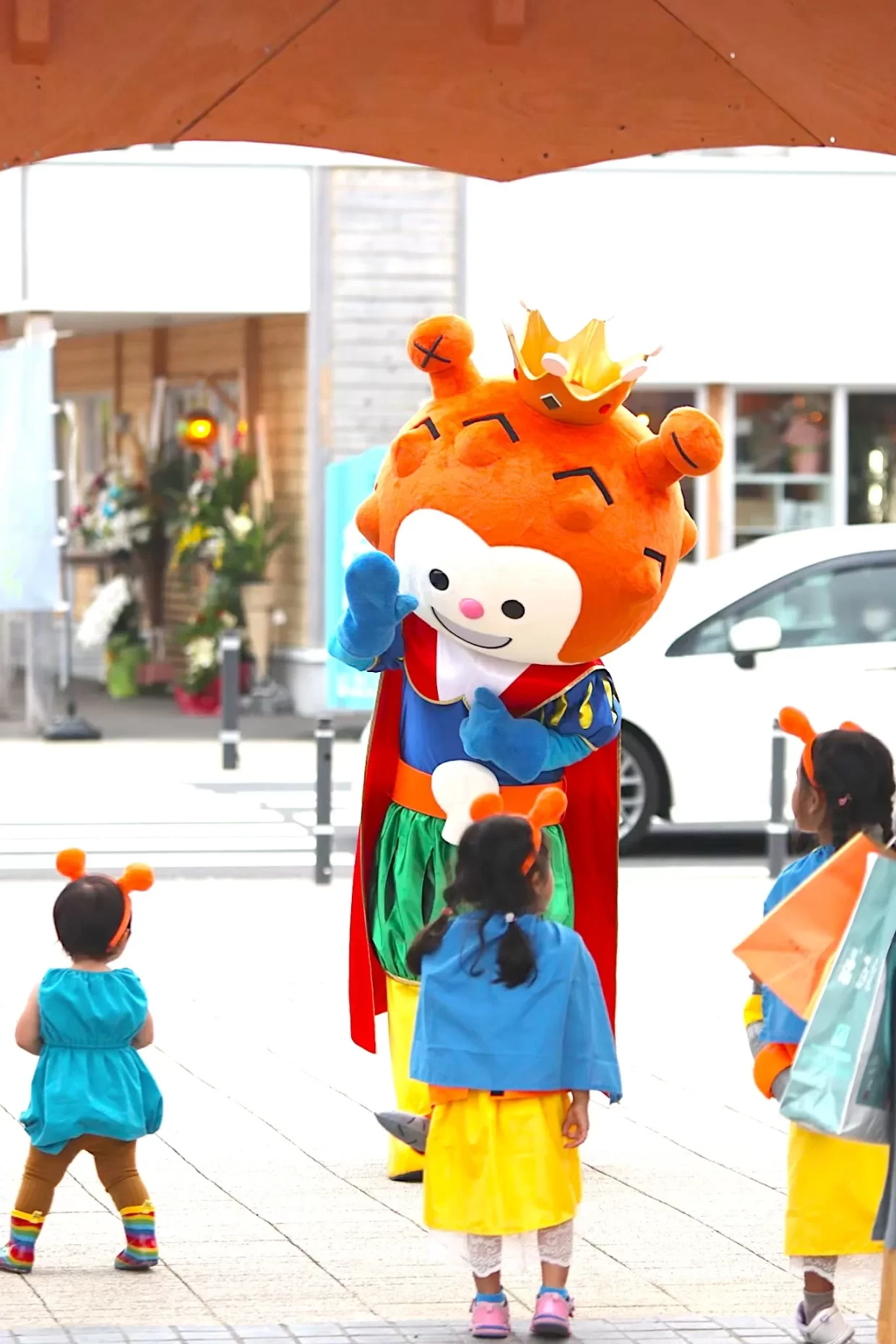
Hoya Boya, who debuted as a tourism character, has already become an indispensable presence in promoting tourism and raising awareness of Kesennuma. Every year around his birthday on July 20th, a "birthday party" is held, and in October, a fan event called "Attage Hoya Boya" ("Attage" means "a lot" or "very" in the Kesennuma dialect) is held, attracting many Hoya Boya fans from both within and outside the region. He has also become a familiar presence to the local people; for example, when he appears at school events, everyone from teachers to children surrounds him with smiles. "When people meet at events, they all call out, 'Hi! Hoya Boya!' That makes me really happy," he says shyly.

Hoya Boya lives his life traveling between land and sea every day. On land, he's recently been called to places other than Kesennuma more often, and sometimes he travels to Sendai in the same Miyagi prefecture, and even to Tokyo and Osaka (by sea). Even so, the child of the sea's greatest joy is still in the sea.
"I'm looking forward to competing with Bill the swordfish, who's a great swimmer, and other friends to see who can swim the fastest."
Hoya Boya's gestures were light and cheerful as he spoke. Another thing he enjoys is finding unusual things while patrolling the sea. He put his hand to his eyes and told me that he recently found some star-shaped sunglasses.
The Land and Sea of Kesennuma
Hoya Boya describes the place Kesennuma with the word "sparkling."
"It's sparkling, there are lots of delicious things, and lots of kind people."

Among the land areas of Kesennuma, Hoya Boya's favorite is the view from Mt. Kameyama on Oshima Island. It's a viewpoint where you can see from Kesennuma Bay all the way to the Karakuwa Peninsula on the other side, and enjoy spectacular views of the sunrise, sunset, and starry sky. The summit of Mt. Kameyama, adorned with pale green cherry blossoms called "Gyoiko" and camellias, is a place that Hoya Boya says you absolutely must visit if you're on land.
So, what is the underwater world like, as only someone born and raised by the sea would know? Having visited various parts of the country and experienced many different seas, what does Hoya Boya feel about the sea of his hometown, Kesennuma?
"I love how it's always sparkling and bright, and how basking in the sun makes me feel like it's beautiful."
There are sights that we humans, who cannot freely drift in the sea, cannot see. The sea that Hoya Boya sees is a warm and beautiful place full of brilliance. Because Hoya Boya's activities take place both on land and at sea, he must have come to know that there is "sparkle" everywhere in Kesennuma.
"I hope everyone will come and visit someday."
I wonder when the day will come when we can have a swimming race with Hoya Boya and his friends in the sea.
Watching the Town and its People Recover from the Earthquake
"Yes, I remember (that day). I was very surprised and sad. Something terrible happened in the sea too."
Hoya Boya, who debuted in 2007, was also in Kesennuma when the Great East Japan Earthquake struck in 2011. On that day, March 11th, the sea, which would normally be "sparkling bright," swallowed up the town, completely changing its landscape. The tsunami struck people's lives all over the city, affecting nearly 40% of households, and the disaster resulted in more than 1,300 deaths, including those caused by the earthquake.
The damage wasn't limited to land. The sea was also severely affected. The tsunami destroyed land-based facilities, and heavy oil, massive amounts of debris, and sediment flowed into the sea. Seaweed was washed away, and the seabed topography was drastically altered.
Both the land and the sea have changed so much that they are almost unrecognizable. Faced with this sight, Hoya Boya and the people of Kesennuma were left speechless more than once or twice.
Nevertheless, people tried to quickly restore their lives in harmony with the sea. From the spring of that year, aquaculture of wakame seaweed and scallops was quickly resumed. In June, the fish market also reopened, and preparations were made to receive bonito, which had recorded the highest catch in Japan for 14 consecutive years (at the time).
Despite witnessing the terrifying power of the sea firsthand, people chose to reconnect with the sea and live in harmony with it. This sentiment and attitude culminated in a recovery identity of "living with the sea(Umi to Ikiru)," which was passed down to subsequent community development and human resource development (see:"Living with the Sea")。
The way the people of Kesennuma live has made Hoya Boya's feelings for the sea stronger than ever before.
"Seeing everyone like that made me want to cherish the sea more too."
Many of us don't usually think about what the sea means to us. It's difficult to be aware of its significance because it's physically and psychologically distant. On the other hand, for those who have the sea as a normal part of their lives, the lack of distance might actually make it harder to recognize its meaning.
The sea has always been close by and beside Hoya Boya, the child of the sea. It was the people of Kesennuma, who, even after the earthquake, decided to continue living in harmony with the sea, who gave us the opportunity to re-examine the sea as an irreplaceable presence and cherish it even more.
*Reference material: Kesennuma City, Miyagi Prefecture (2021) "Umi to Ikiru - Kesennuma City's Record of Reconstruction from the Great East Japan Earthquake"
"It's not fun without the sea!"
Following the earthquake, land elevation and seawall construction progressed, dramatically changing the landscape from land to sea in Kesennuma. As a result of efforts to prevent a recurrence of the same damage, there is sometimes a sense that a distance has been created in the relationship with the sea that was once taken for granted. Nevertheless, while flexibly incorporating these changes in the land, the core of Kesennuma's identity, which is intertwined with the sea, remains unchanged. People continue to face the sea and live their lives in harmony with it.
So, have you noticed anything different on the sea side?
"It's gotten a little warmer than before."
Hoya Boya speaks, flapping his right hand. Record-breaking heat is being reported not only in Japan but all over the world, and it seems the sea is experiencing the same thing. If the sea temperature continues to rise like this, Hoya Boya may gain new friends, but there may also be friends that will have to be said goodbye.
"But the fact remains unchanged: it is a sparkling, beautiful place full of the bounty of the sea. I want to keep it that way—a beautiful sea filled with all kinds of our friends."
Hoya Boya speaks simultaneously of the changes happening in the sea off Kesennuma and the fact that the sea still shines today. Both the change and the brilliance are the true state of the sea today. However, when we talk about the seriousness of the sea's problems, we sometimes forget that brilliance. Conversely, we sometimes overemphasize the beauty of the sea, turning a blind eye to the changes that are taking place there.
Hoya Boya, the child of the sea, perceives and conveys both sides of the sea as a single entity. I believe his perspective has given us a starting point for thinking more deeply about the meaning of the sea than ever before.
Kesennuma has been shaped by the unity of land and sea. The sentiments of Hoya Boya, who can be considered a symbol of this, are encapsulated in these words.
"It's not fun without the sea!"

Hoya Boya, the child of the Sea
Born on July 20th. First appeared as a tourism character in 2007, selected through a public competition for the 2008 Sendai-Miyagi Destination Campaign. Favorite phrase is "Hamarainya" (meaning "Let's do it together" in the Kesennuma dialect). Fan letters can be sent to "988-8555 Hoya Boya" (no address required).
HP:Hoya Boya, the child of the Sea
IG:@kesennuma_kitekerain (for foreign visitors:@kesennuma.japan)
A message from Hoya Boya
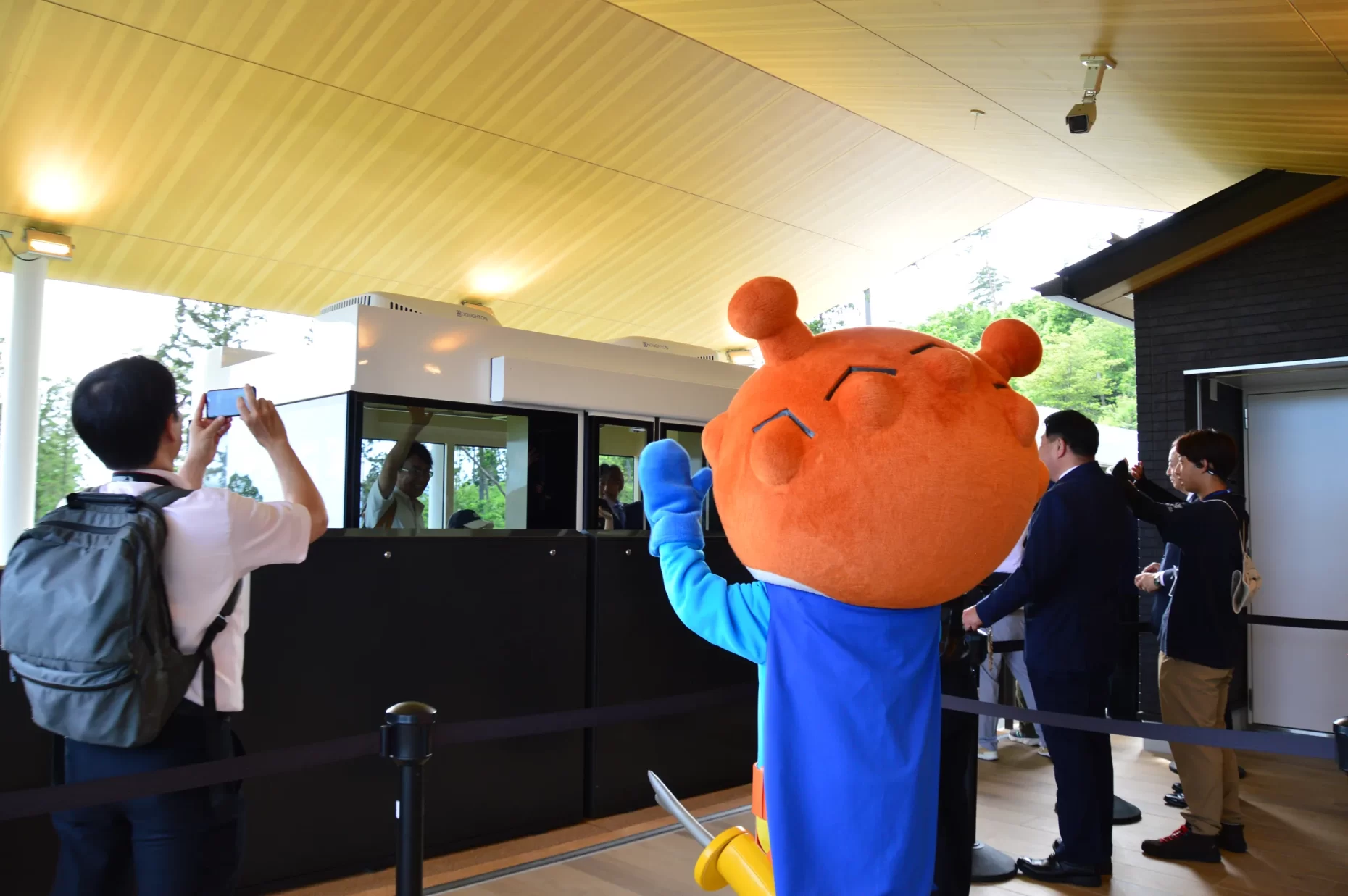
"Kameyama Terrace" opens on July 19th
A monorail has opened, succeeding the lift that once connected the foot of Mt. Kameyama on Oshima Island to its summit, along with new tourist facilities. From this excellent viewpoint, you can feel the connection between land and sea, as well as the town of Kesennuma and Oshima Island, also known as the "Green Pearl."
Website:Kameyama Terrace
The fan event "Attage Hoya Boya" will be held again in 2026
Every year, a special day for Hoya Boya fans is held with numerous stalls and events, and this year it will take place again in early October (details will be announced soon). Hoya Boya is preparing a special costume for this day once again. Hoya Boya is looking forward to meeting many friends dressed in his outfits!
(Reference) Attage Hoya Boya Website for fiscal year 2025:Kesennuma sa Kitekerain
Text/Realization: Daiki Kato (3710Lab)