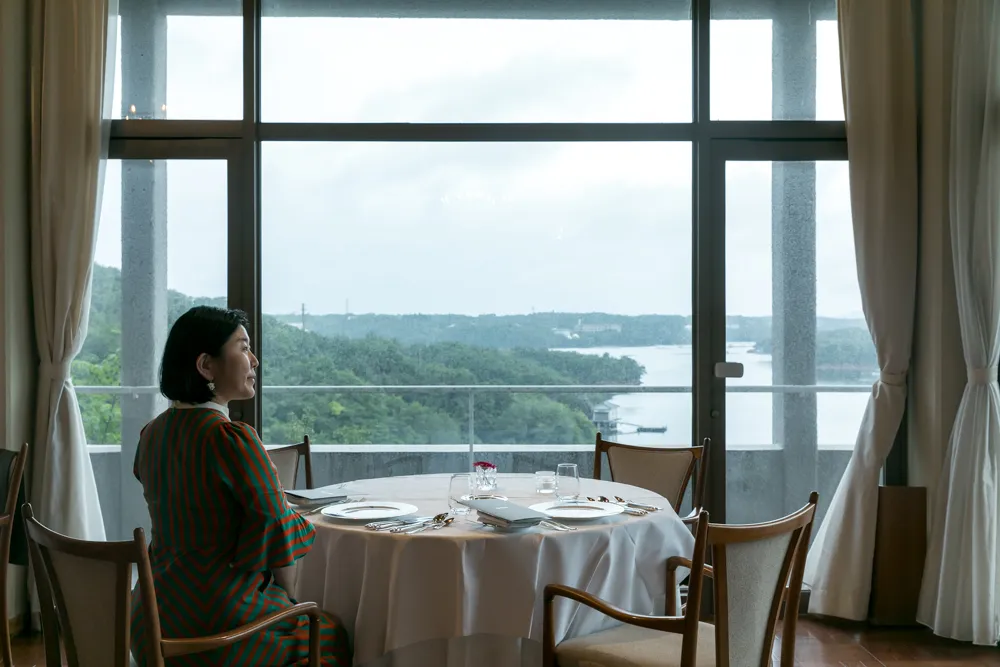
An original essay by writer Minori Kai, exploring the theme of “The Sea and Architecture” through a visit to Shima Kanko Hotel overlooking the sea.
・・・・・・・・・・・
The Day I found the Light of the Sea
The house where I grew up stood halfway up the gentle slopes at the foot of Mount Fuji. Whenever I looked up, there it was. In winter, when the air was especially clear, the mountain revealed itself in sharp detail. But on summer afternoons, even on sunny days, it was often hidden behind thick clouds. Relatives who traveled from afar would inevitably leave disappointed if they never caught a glimpse of it during their stay. Yet it was precisely at those moments that I felt the mysterious power of Mount Fuji most deeply. Even when I couldn't see it, I could sense its presence. Its overwhelming existence seemed to rise above the blanket of clouds, and even as a child, it filled me with a profound sense of awe and reverence.
I was in high school when it happened. One brilliantly clear day, I stood on the south-facing balcony outside my room on the second floor, absentmindedly looking down the gentle slope that stretched away from Mount Fuji. The neighborhood was a newly developed residential area. The incline was so gradual that it offered no remarkable view; most of what I saw were the rooftops of neighboring houses. Then, beyond those rooftops, something caught my eye—a thin line of light shimmering at the edge of my vision. What is that? I stared for a moment before the realization struck me. The sea. After living there for fifteen years, I discovered for the first time that I could see the ocean from my own room. Just to be certain, I asked my mother. She confirmed that the glimmering light was indeed the sea. She told me she had always dreamed of living somewhere with an ocean view. When the house was first built, there had been far fewer homes around us, and the view of Suruga Bay had been much more expansive. Even now, she said, on exceptionally clear days you could still make out Cape Namikatsu on the Izu Peninsula, and at night, sometimes even the distant beam of its lighthouse. A haiku poet who loved the sea, the mountains, birds, and wildflowers alike, my mother spoke with quiet delight as her affection for the ocean spilled naturally into conversation. Why had she never told me? It was a foolish question. Until then, I had shown little interest in the natural world beyond Mount Fuji. My imagination belonged instead to books and songs, and I had been content to lose myself in the worlds they created.
Sometimes, without warning, we become aware of a light that has always been there—whether visible or unseen. I call that feeling wonder. At first, all we can do is gaze into its brilliance. But as we move toward it, step by step—drawing closer, reaching out our hand—we eventually find ourselves within its light. We touch it. We behold it. We cup it gently in our hands. Or sometimes, simply closing our eyes and feeling its presence is enough. Slowly, generously, and quietly, our hearts begin to fill.
As a high school student, I was captivated by the light that shimmered from the sea. I wanted to go to the place where that light came from. Whenever I found an excuse to talk about it, a classmate from my cram school, who lived in the neighboring town, told me that the sea was just a short walk from the nearest station to her house—Higashi-Tagonoura, a small stop on the Tokaido Main Line. The following weekend, I told my mother I was going to study at the library and set off for the coast alone. The only guilty thing about my plan was the small lie itself. I wasn't doing anything wrong, but I didn't want to explain why I wanted to go, and above all, I felt a little embarrassed. The beach was almost deserted. Every so often someone passed by walking a dog, but otherwise I had the shore to myself. The waves were gentle, and so was their sound. Words came to me more freely than they ever had before. The tiny glimmer I had spotted from my bedroom had seemed like a small spark of hope. But the sea stretching before me that day was light itself—an endless expanse, impossible to grasp, much like the future that awaited me. This has been a rather long prelude. Yet it is nothing more than a fragment of memory: the story of a young girl who first fell under the quiet spell of the sea.
A Journey to Shima Through the Sea and Architecture
Today, I spend my days as though floating on a sea of light. Through travel, walks, and the quiet rhythms of everyday life, I gather shimmering moments and share them with others. Architecture is one of those moments. So when I was invited to write about the theme of the sea and architecture, one place came immediately to mind: Shima Kanko Hotel, which I had visited once before. Perched on a hill overlooking Kashikojima within Ise-Shima National Park, the hotel commands sweeping views of the tranquil coves and countless small islands of Ago Bay. Spread across an expansive 95,000-square-meter estate, the resort comprises three distinct buildings, each with its own character. Among them, The Club and The Classic were designed by Togo Murano, one of Japan's most celebrated architects of the Shōwa era, renowned for such landmarks as the Former Akasaka Palace (State Guest House) and the Nissay Theatre. Chosen as the venue for the 2016 G7 Ise-Shima Summit, Shima Kanko Hotel remains a refined seaside retreat where architecture and landscape exist in quiet harmony.
Kashikojima Station, the nearest stop to the hotel, is less than two hours from Nagoya by direct Kintetsu Limited Express. Since I was already making the journey, I decided to break the trip at Toba Station and begin with lunch. I have visited Toba several times over the years, but my fondest memories are of family trips there as a child. I still remember the excitement of seeing sea otters at Toba Aquarium and leaning forward in delight as I applauded the ama divers' demonstration at Mikimoto Pearl Island. My family had a tradition of traveling during school holidays, and after every trip my mother would insist that I keep a travel journal. Looking back, that is probably why those memories remain so vivid. I recorded where we had been, what we had eaten, and the history and distinctive features of the places we visited. I pasted brochures and admission tickets into a notebook, added my own illustrations, and submitted it as my summer vacation project. At the time, it felt like something my mother made me do rather reluctantly. But in hindsight, those notebooks became the foundation for the work I do today. For that, I can only be grateful to her.
Toba is home to many restaurants where visitors can enjoy fresh seafood, but I choose Osakaya, known for its dai ebi fry—a giant fried shrimp split open along the back before being cooked. Although the restaurant is a traditional kappō-style establishment, the atmosphere inside is surprisingly casual, with the sound of a television program featuring amateur singers filling the room. It feels more like a friendly neighborhood diner than a formal dining space. So when I am told, “Today, we have just one chō jumbo ebi fry left—it’s even bigger than our regular giant shrimp fry,” there is no way I can resist ordering it. A little while later, a fried shrimp appears before me. At first glance it resembles a fried horse mackerel, but it is unmistakably larger. Shrimp has always been one of my favorite seafoods, and faced with such a generous serving, I cannot help but smile. The ultra-jumbo shrimp is so thick and succulent that it is almost difficult to bite into. Its delicate sweetness spreads through my mouth, leaving behind a lingering richness. Savoring the memory of that flavor, I continue on toward Kashikojima.
Shima Kanko Hotel opened in 1951 on Kashikojima, an island floating in Ago Bay, one of Japan’s most renowned ria coastlines. Soon after the war, Ise-Shima was designated as a national park, and there was a growing desire to establish a Western-style hotel that would welcome visitors to the region. The hotel was founded with investment from Kintetsu Railway, Mie Prefecture, and Mie Kotsu. At the time, Kashikojima was considered a remote and secluded place, yet many visitors from overseas traveled there to purchase pearls.
Today, The Club—a public space with a red roof and a mountain lodge-like exterior that houses exhibits on the hotel’s history and the Ise-Shima Summit—is known as a place for visitors to learn about the resort’s heritage. However, when the hotel first opened, it served as the main building. The hotel began with just 25 guest rooms, created by relocating and adapting the former Naval Officers’ Club in Suzuka, which had been designed by Togo Murano during the war at the request of the Naval Air Corps.

The Enchanting Architecture of Murano
When the Naval Officers’ Club was being built, Japan was deep in the midst of wartime, and construction materials were extremely scarce. It was then that an offer of support came from a prominent figure of Mie Prefecture: Kawakita Handeishi, the head of one of the wealthiest merchant families of Ise, who also served as a bank president and local politician. A true aesthete of his time, Handeishi was also a celebrated ceramic artist, often described as “Rosanjin of the East and Handeishi of the West.” Thanks to his generosity, pine trees from his own private mountain were lavishly used in the construction of the Naval Officers’ Club in Suzuka. As someone who admires both Murano and Handeishi, I found myself deeply moved simply by standing within the rustic, farmhouse-like interior of The Club, where the richly textured beams and pillars seem to breathe with a sense of warmth and character. Even the staircase in front of the former entrance, newly built when the hotel opened, reflects Murano’s signature elegance and thoughtful attention to detail. In the postwar years, many guests would likely have still arrived wearing kimono. The steps were kept low, the width generous, and a landing was placed midway so that visitors could naturally pause and take a breath. I found myself returning to The Club at different times of day—morning, afternoon, and night—and each time I climbed those stairs, I felt my affection for Murano’s architecture deepen.

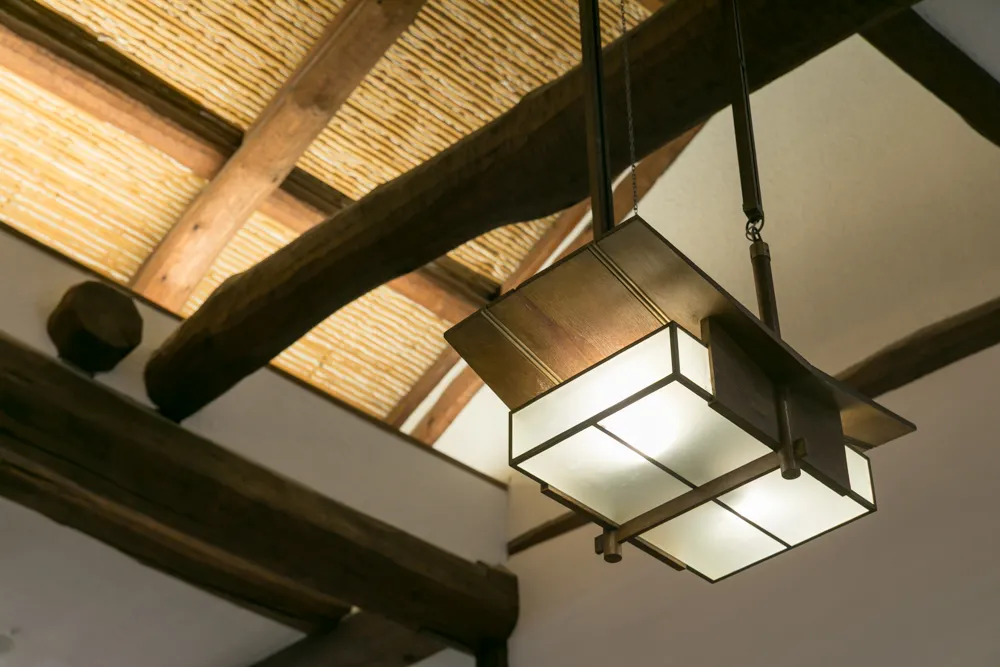

Speaking of which, the hotel that sparked my fascination with Murano's architecture was the Westin Miyako Hotel Kyoto, which, like the Shima Kanko Hotel, belongs to the Kintetsu Group. This hotel, which has been repeatedly expanded and is so large that you can't grasp its entirety at a glance, was also a collection of light that made me feel excited. The decorations on the ceiling of the porte-cochère, the elegant staircase that reveals a heart shape when you look up, the various organic lighting fixtures, the white sand courtyard of Kasui-en where gourds and cups are represented by green grass... It was lovely, delicate, romantic, mellow, bold, and wonderfully comfortable. I was struck by the realization that architecture is art, philosophy, and also like a living thing.
While I appreciate the elegant style, what truly captivates me about architecture is its ability to inspire hope for life. When I find myself in a beautiful building, even a small being like myself feels like a character in a story. Just as when I'm bathed in the power of the sea, the mountains, and the boundless forces of nature, I feel a surge of energy, a sense of gratitude for being alive, and a desire to live on.
Historically significant and fascinating buildings often appear as settings in stories. The Shima Kanko Hotel is one such example. "As the sun sets and the tide begins to come in, a magnificent twilight descends upon Ago Bay on the Shima Peninsula," is the opening line of Toyoko Yamazaki's novel, "The Grand Family." The Club also displays the desk that Yamazaki used to write at during her stays at the hotel.
Furthermore, "Lien," the café and wine bar within The Club, where an orchestra box used during the naval officers' club era juts out from the second floor, is a space that strongly retains the atmosphere of the club's opening days. Although it wasn't possible this time, I would love to spend some day enjoying tea time on the terrace while overlooking the garden.
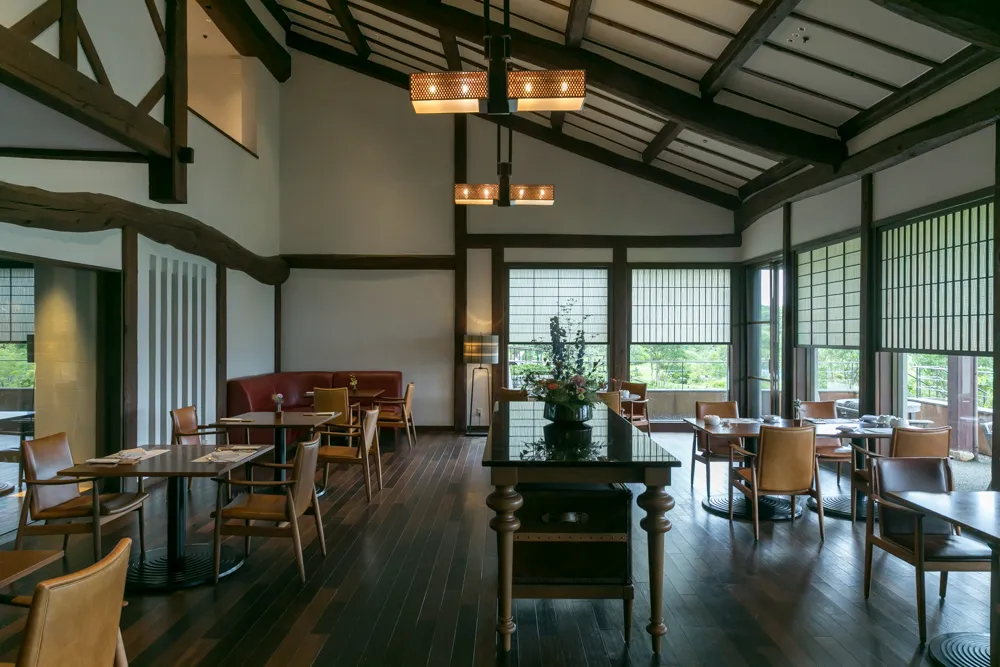
Completed in 1969, "The Classic" boasts a Japanese-style exterior with copper-plated eaves on each floor, emphasizing horizontal lines. The otherwise imposing high-rise building is divided into three blocks, each staggered in a zigzag pattern, creating a light and harmonious blend with its surroundings. While the interior was renovated in 2016, some of Murano's original designs remain in the furnishings and decor. The tranquil lobby ceiling features the sukiya-style Yamato-bari technique favored by Murano.
Close My Eyes, Yet the Sea Remains
Some guest rooms feature furniture and lighting designed by Murano. There are two types of suites: the "Royal Suite," used by the leaders during the Ise-Shima Summit, and the "Classic Ambassador," which has remained largely unchanged since the Showa era and is the most strongly imbued with Murano's style. While staying in a suite is not something that can be done casually, photos are posted on the official website, so please take a look. On the other hand, the simple yet comfortable "Comfort Twin" is recommended for those who want to experience Murano's style at least once. Many of Murano's designs are light and without sharp edges, so the more you look at them, the more your heart becomes softer.

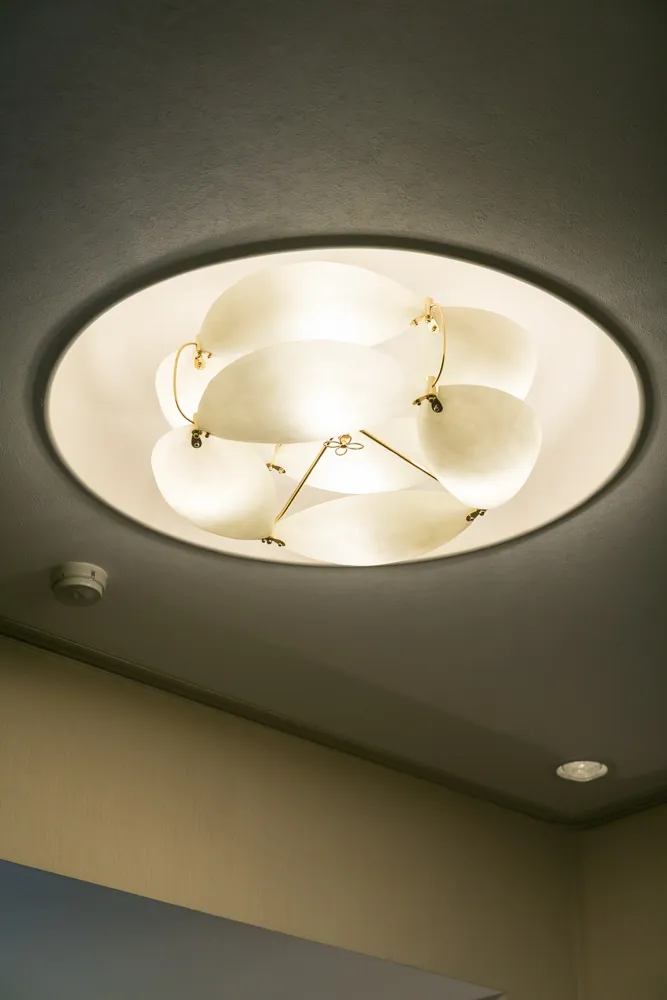
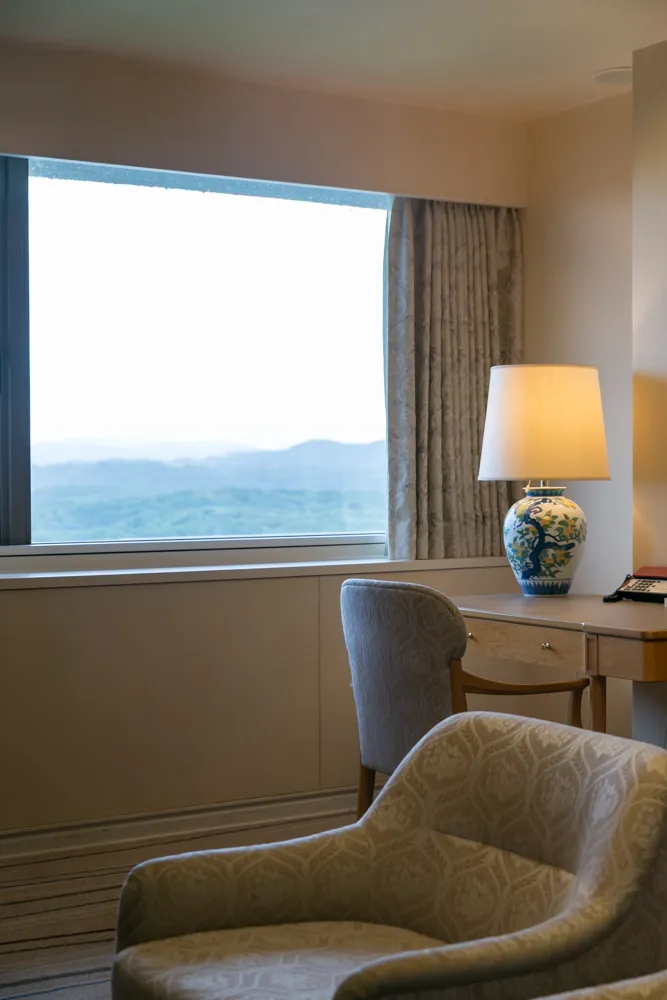
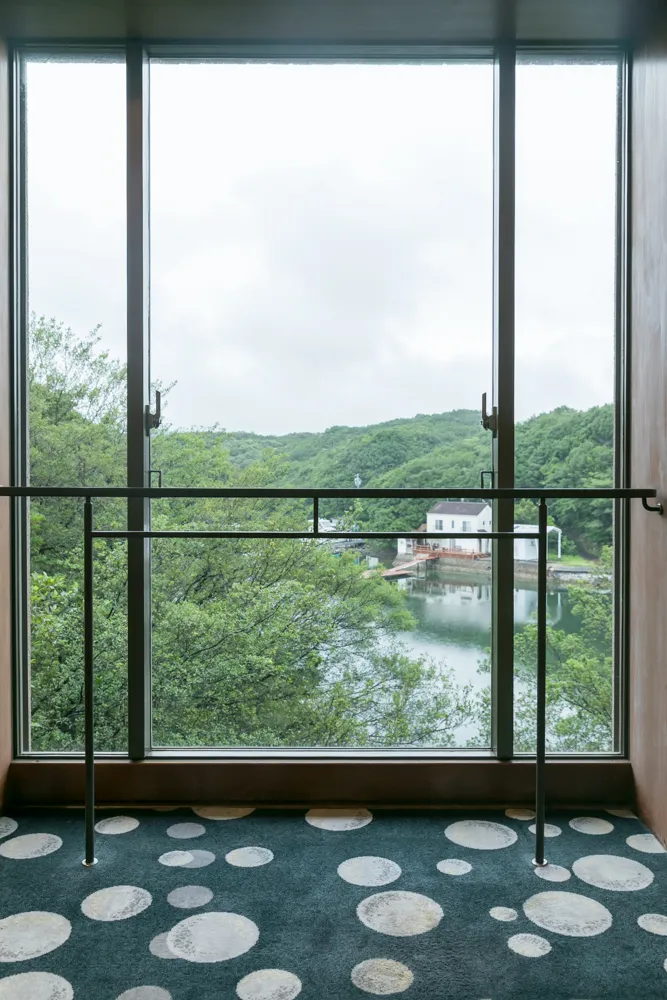
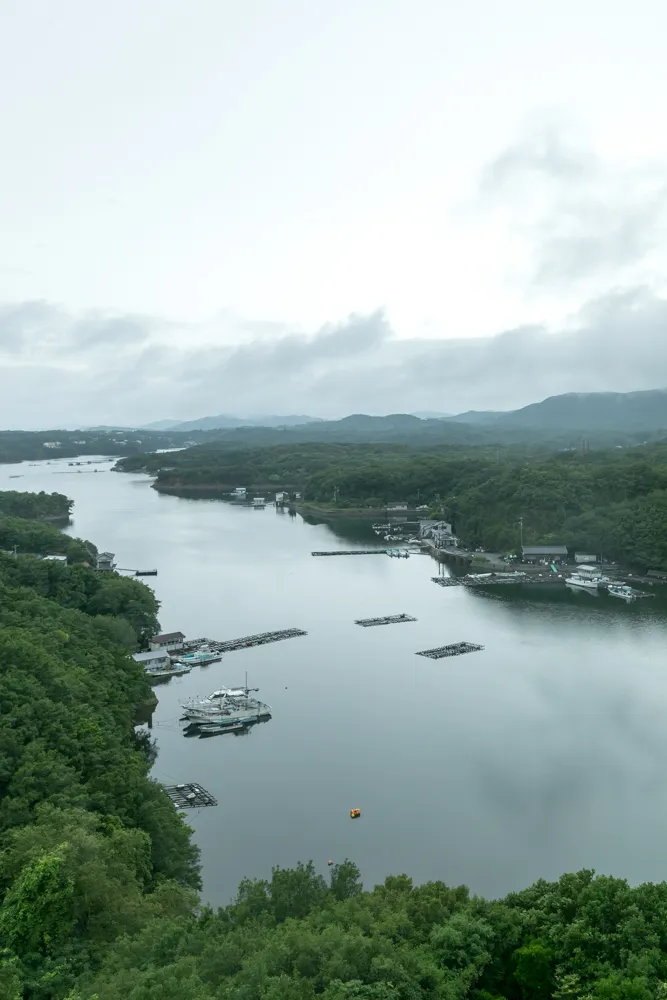
This time, I stayed in a modern and comfortable "Premium Twin" room on the west side, which incorporated pearls and the islands of Ago Bay as design motifs in various places. Sitting on the bench seat by the window, I gazed to my heart's content at the view of Ago Bay, with its intricately indented coastline formed over tens of millions of years, dotted with pearl rafts. The small huts I could see were pearl farming workshops, and there were almost no private houses around the hotel. On a calm night, the moon and stars would surely illuminate the deep blue sea, creating a truly mystical scene. Unfortunately, that night it rained heavily, and the sea was shrouded in darkness. But, like Mount Fuji, even though I couldn't see it, I could feel it. The power emanating from the sea that stretched out before me. The natural jewels of the sea, the pearls. When I closed my eyes, I was enveloped in a strange feeling of being protected by some great presence, and before I knew it I had fallen into a deep sleep.

To Ago Bay, Embracing Its Islands
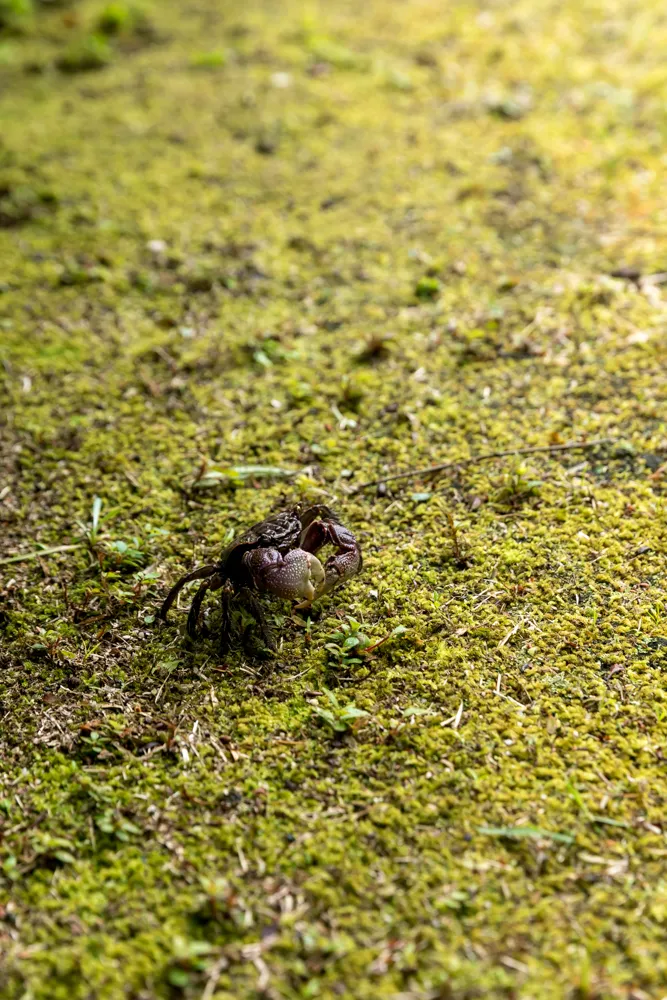
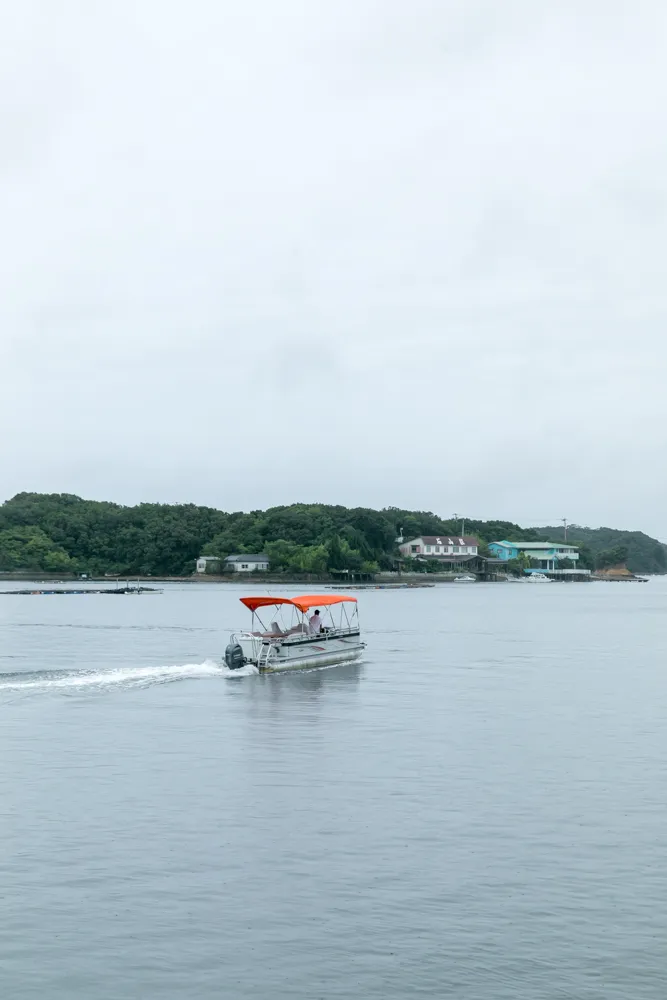
The hotel offers a variety of activities exclusively for guests, with different activities available each day. The one I experienced was the "Lounge Cruise Shima," a cruise ship that sails through the intricate coastline and pearl rafts. The private pier is at the top of a 136-step staircase leading from the garden. As I carefully descended the stairs, step by step, I passed countless red-clawed crabs. "Excuse me," "You've done quite a feat to climb up here with your tiny body," I said, greeting each of the sea's natives.
As we set sail, the sky was cloudy, but there was no wind or waves, and Ago Bay was calm. The hotel, seen across the sea, was bathed in soft light, standing proudly between the sea and the sky. The history and culture of Ago Bay, the 60 or so islands of varying sizes, the pearl farming started by Kokichi Mikimoto, local festivals... The captain, whose conversation and steering skills were smooth, is actually a fisherman of aonori seaweed, of which Mie Prefecture boasts 70% of the national production. His firsthand account, knowing the complex terrain inside and out and living in harmony with the sea, was robust and profound. When I asked, "Has the scenery changed?", he said that in the last ten years or so, the number of aquaculture farms has decreased considerably due to the aging population and climate change. Along the way, we passed a sightseeing boat modeled after a carrack ship from the Spanish Age of Discovery. The tall boat offers a good view, but it would be difficult for it to pass through the narrow inlet we had just come through. The cruise on the small boat brought me closer to the sea, and the sense of adventure continued throughout, making the 45-minute journey truly enjoyable. The captain's gentle personality, as we waved goodbye, was surely another blessing of Ago Bay.
To Gather Light
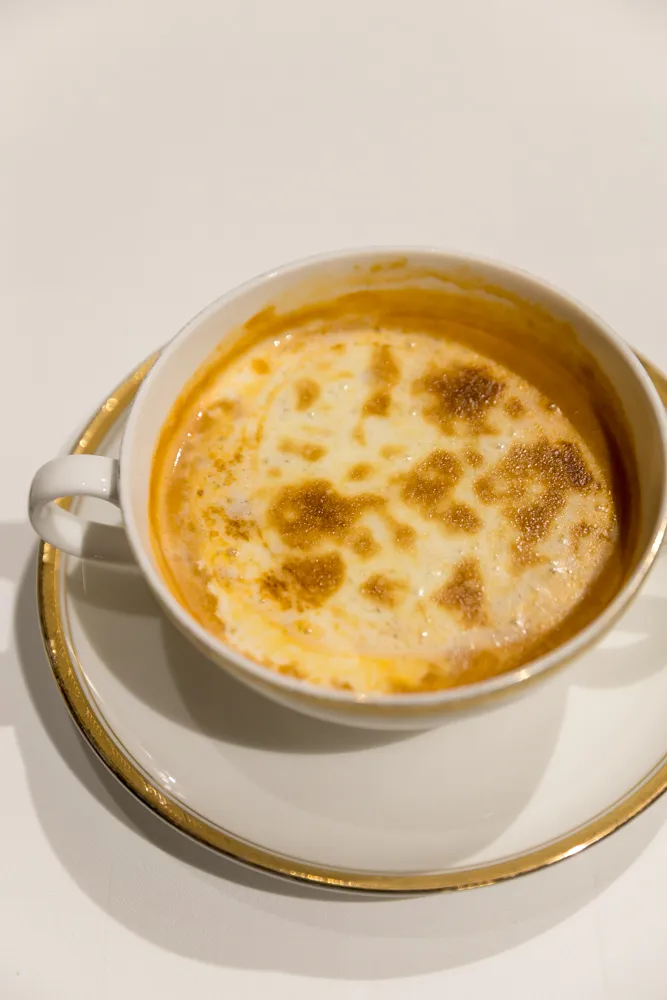
Shima Kanko Hotel, where traditional French cuisine utilizing the bounty of the sea has been passed down through generations, is renowned as a hotel of fine dining. "Fresh through cooking, natural through transformation. Using fire, or transforming the form, to make it fresher and more natural is a prayer to the ingredients," as expressed in "The Joy of Gastronomy," a book by the 5th Executive Chef, Tadashi Takahashi, the sublime taste of each dish, prepared with respect for the bounty of the sea, is truly remarkable. La Mer The Classic restaurant luxuriously uses ingredients representative of Mie Prefecture, such as spiny lobster, abalone, and Matsusaka beef. Among its signature dishes, the rich "Spiny Lobster Cream Soup," made by slowly sautéing fresh shrimp in butter and concentrating the umami with double the usual amount of ingredients, is a dish you will never forget. At the G7 Ise-Shima Summit, amidst heated discussions, the prime ministers of each country were so engrossed in the deliciousness of this soup that the meeting was temporarily interrupted.
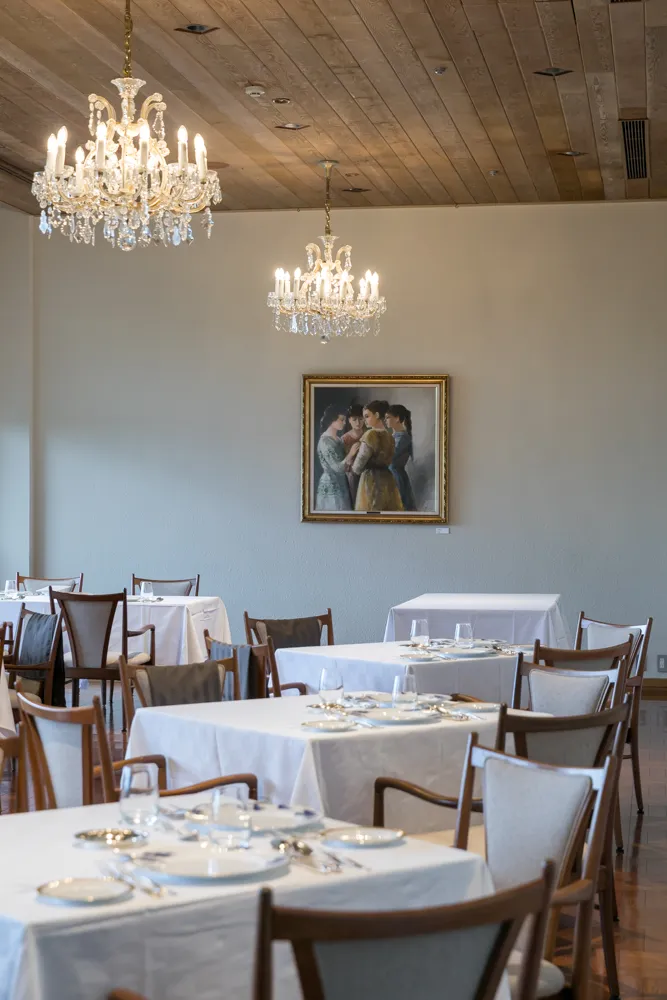
The hotel houses numerous museum-quality paintings and objects by artists such as Ryohei Koiso, Yoson Ikeda, and Yasuo Katsuki, so much so that an "art guide map" has been created for them. Among them, Tsuguharu Fujita's masterpiece "Playing in the Fields," which particularly catches the eye at La Mer The Classic, shines brightly in the large space designed by Murano. In addition, the hotel offers many delightful surprises, from the comfortable seating and delicate forms of the chairs, to the show plates depicting the islands of Ago Bay, to the doors with different angled handles on the inside and outside, to the view of Ago Bay below, and even in the restaurant.
Although it's not open to the public, I'd like to mention the "Pearl Room," a banquet hall in the extension that Murano designed in his later years. The lighting is in the shape of organic flowers, and the carpet covers the entire floor with a pearl design. The four corners of the stage are rounded, creating a light, floating design. Murano, who always manages to evoke a sense of wonder, was surely more skilled at creating excitement than anyone else, and a master at gathering light.
When Murano first visited the site where the hotel would be built, he wrote that while the view was magnificent, he was worried about whether a hotel could be built on such a narrow, horse-back-like plot of land. It seems there were some financial difficulties for a while after opening, but as Murano later wrote, "Shima Kanko Hotel is, by its own and others' standards, one of the finest resort hotels in Japan," and it has been loved by many people throughout its long history. The comfortable hotel that Murano envisioned and the beautiful seascape resonate with each other over time, captivating people's hearts.
And so, whether at the beach or in a hotel, I want to gather lots of light, changing the time of day and the seasons.
Photos: Toru Kometani
Realization: Hanako Kono (3710Lab)
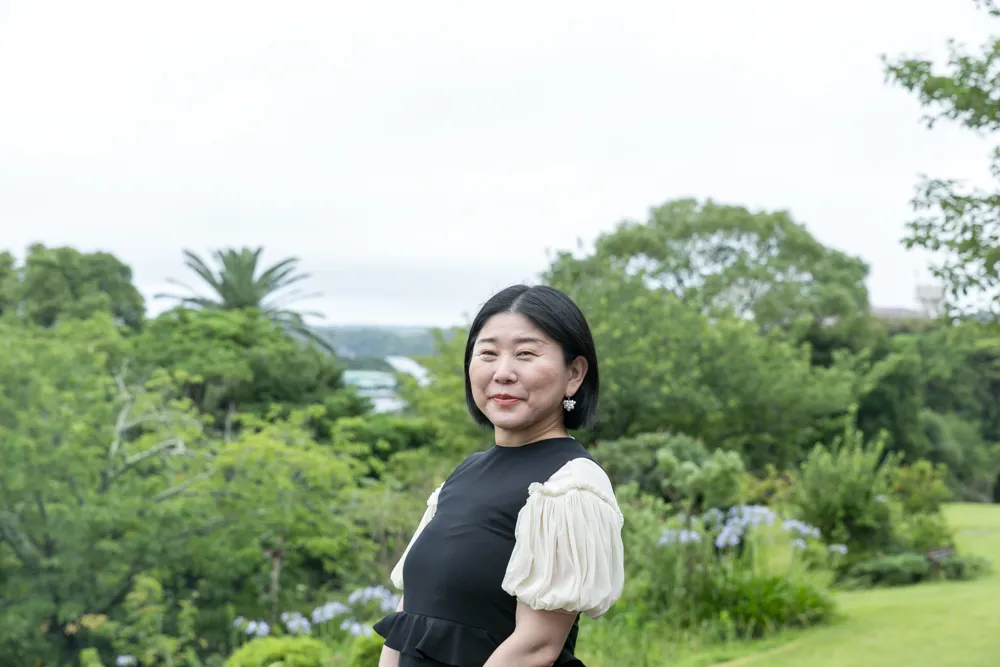
Minori Kai
Writer. Born in Shizuoka Prefecture. Writes for books, magazines, and websites on topics such as travel, walks, architecture, classic hotels, sweets, local bread®, souvenirs, and lifestyle. Her major works include "Walking and Eating: A Stroll Through Tokyo's Delicious and Famous Architectural Sites" (X-Knowledge), "The Joy of Eating," "The Joy of Living" (Mill Books), "A Guide to a One-Night, Two-Day Tourist Hotel Trip" (Keihanshin L Magazine), and "A Guide to Classic Hotels" (KK Bestsellers). "Classic Hotels with Stories" (X-Knowledge) will be published in the fall of 2026.
cooperation:Shima Kanko Hotel(Mie Prefecture)
"Architectural Map of the Sea"See more details