Listening to "The Future of the Sea" Vol.1
Eli Horn
(Galerie Robertson Arès)
『Water Body series
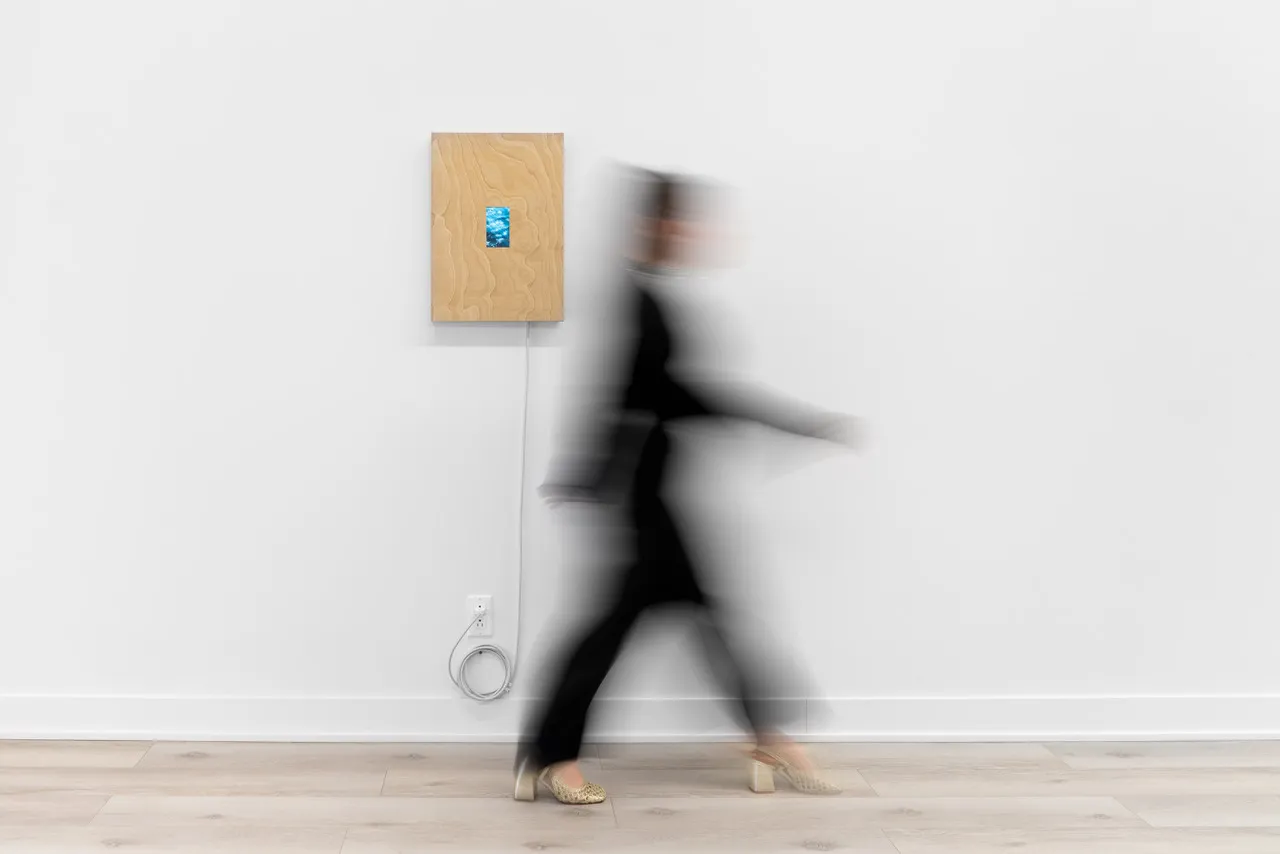
Eli Horn, an artist based on Salt Spring Island in Canada, unveiled his "Water Body" series in 2025, which features images of waves viewed through small windows cut into wooden frames. His work has been featured in numerous media outlets. We spoke with him about the background and origins of the series, as well as his thoughts on the future of the ocean.
"I live in Salt Springs, a rural island on Canada's Pacific coast. Because I'm always surrounded by the ocean, I find myself constantly photographing the waves. The ocean scenery is a part of my daily life, yet I never tire of its beauty. Now I have tons of videos of the ocean shot on my smartphone. The 'Water Body' series was created to share the waves that I deeply love, and I wanted to present the ocean as a 'physical object,' like a small window."
All the footage in the "Water Body" series was shot on an iPhone and has not been edited except for adjusting the length to minimize seams during loop playback. The device consists of a high-density IPS display, media player, and touch sensor, enabling fine-grained and smooth visual expression, and is housed in a custom-made, thick frame reminiscent of a window.
The frame, made from finely grained birch wood, was designed to elevate the digital media player into a more artisanal device. For example, meticulous attention was paid to the panel's proportions, depth, and finish, so that it appears not merely as a screen, but as a "window."


"In my work, the sea appears as something experienced from the shore (or on a ship). From this perspective, the sea is an endless horizon stretching to the horizon, and it becomes the basis for our sense of direction. The waves are a surface rippled between order and chaos, fraught with tension, where pattern and novelty appear simultaneously. It is a metaphor that symbolizes the very form of experience, like a mirror reflecting the bright sky," Eli says.
The waves roll in and out, endlessly repeating. Yet, each time they reveal a slightly different expression, making it impossible to take your eyes off them, and before you know it, you're drawn in. People have encountered such experiences across time and borders. The "Water Body" series evokes those soul-stirring moments hidden within scenes that everyone should know.
"I am interested in the tension between directly experienced reality and the images that symbolize it, and I am always thinking about how this tension shapes the experience. The work itself is not specifically trying to say anything about the sea, but if you were to look at it through the lens of the sea, my message would be something like, 'Have you really seen the sea?'"
Childhood spent on ships and docks
"Until I was three years old, I lived with my parents on their yacht. For many years after that, we lived in a dwelling that could only be described as a shack, built on a rock just a few meters from the sea. We would sit on the rock and watch the waves, take shelter on the porch during storms, explore tide pools at low tide, and collect seashells in the cove. The sea was always so close, and it seemed as if the world was largely determined by its 'mood'," Eli recalls of his childhood.
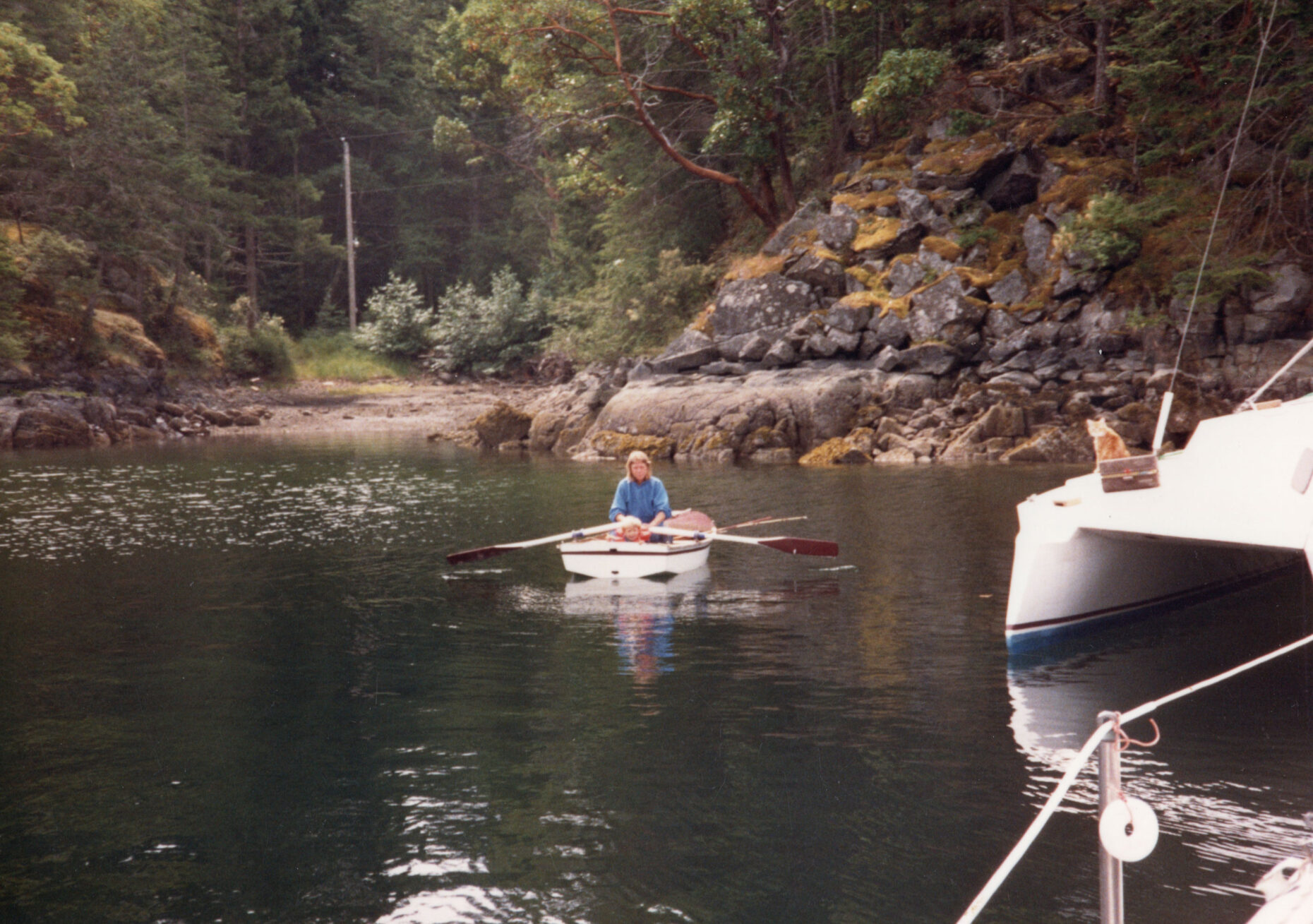
Having grown up observing the various faces of the sea, what kind of feelings has he developed towards the ocean?
He describes the sea as "something similar to fire, but different."
"The sea symbolizes many things. In my own limited experience, as I mentioned earlier, I think the sea symbolizes something akin to fire. It is a mysterious and awe-inspiring force of nature, encompassing both quiet beauty and life-destroying destruction. However, while fire can be contained, controlled, and reproduced, the sea remains 'nature' in its rawest form, and we can only adapt to it."
When Eli speaks of the uncontrollable nature of the ocean, the weight of his words is rooted in his own childhood experiences. He knows firsthand that we humans are bound by the rules of the sea. This is true even when it comes to the "dangers" and "richness" of the ocean. His narrative carries a unique gravity that sets it apart from general statements.
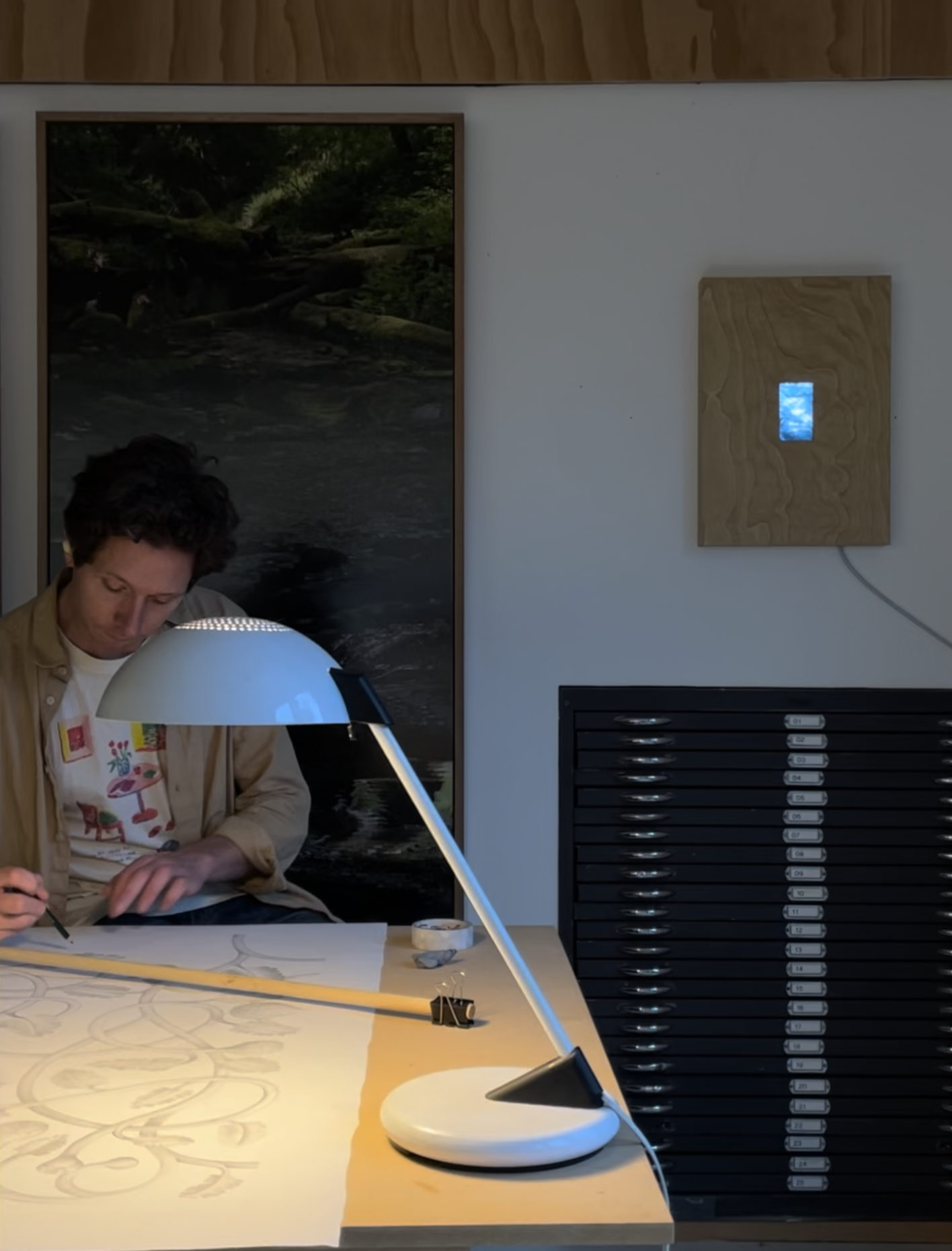
"How terrifying the ocean can be depends on how well we understand its patterns and how prepared we are to survive when we encounter it. The richness of the ocean is influenced not only by the quantity and diversity of life, but also by the resonant meaning it holds within our cultures. As climate becomes more unstable and the oceans become more unpredictable, they may become even more terrifying as a whole. I believe the richness of the ocean depends on how we engage with it and how poetic our experiences with it can be."
Creating art that deepens the experience itself
Finally, we asked them what their thoughts were on the future of the ocean.
"Art is the activity of creating symbols, and these resonate with the frameworks of images and meanings we perceive when we think of nature. In that sense, I believe that art has the power to awaken our interest in the sea and deepen and broaden the meaning of the sea for us. However, at the same time, art and culture also have the aspect of distancing us from experience. In today's world, which is overflowing with images and representations, I feel a sense of crisis that it is becoming difficult to directly experience the world and ourselves. How can we create art that deepens experience itself, rather than art that distances us from it? That is a fundamental question for art, and a challenge that I am constantly grappling with," Eli says.
Eli Horn continues to engage in his creative work, drawing on his deep experiences at sea and a poetic perspective. He believes the future of the ocean depends on whether we ourselves can deeply examine our experiences and perceive them as memorable, "poetic experiences."
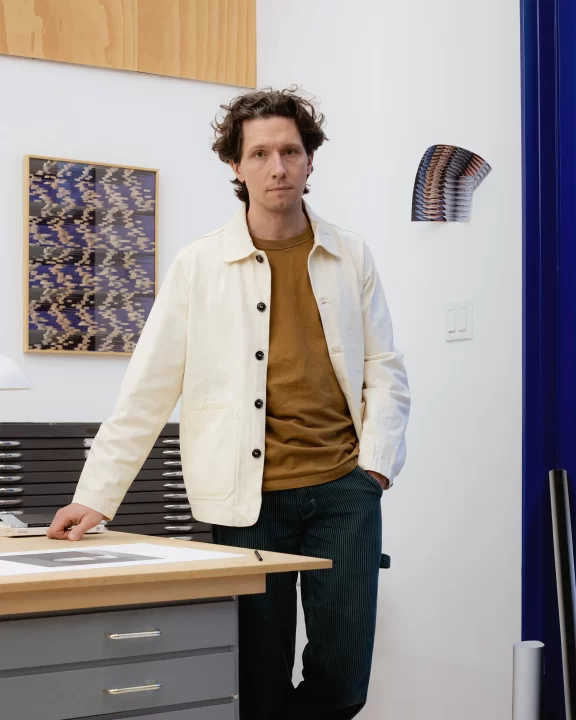
Eli Horn
Born in 1986, this Canadian visual artist is based on Salt Spring Island. Drawing on his background in graphic design and programming, he develops multidisciplinary practices that span analog and digital media. He explores the tension between surface and depth, and the boundaries and emotions that go beyond intuitive understanding.
HP: elihorn.ca
IG: @elihorn_