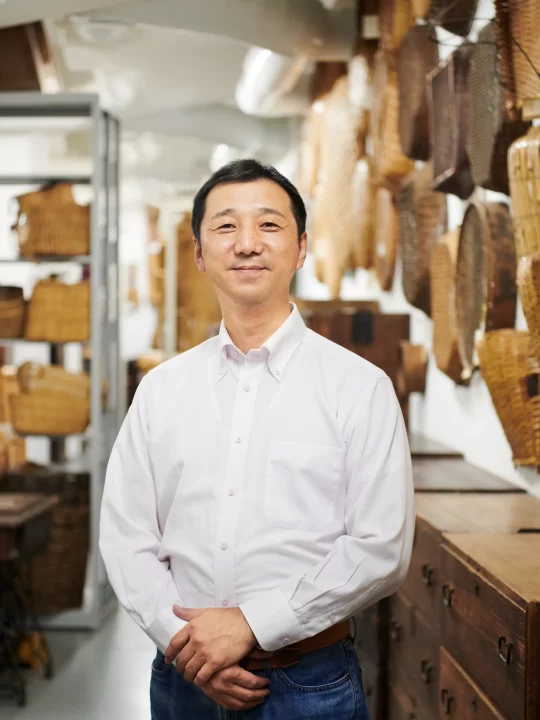
"The sea is vast, so big..." The skills and wisdom (= folk tools) nurtured through the long relationship between the sea and people, for obtaining its bounty, and the hopes (= toys) that people have held for a bountiful catch towards the sea.Musashino Art University Museum & Library, Folklore Materials RoomExcavated from the approximately 90,000 folk artifacts held by the institution. Separate exhibition rooms are provided for folk tools and toys, and a series of articles, with commentary by Professor Koji Kato of the university, explores the deep connection between people and the sea that has continued from ancient times to the present.Click here for project details.). For the 10th installment, we will introduce sea-themed toys with the theme of "pufferfish toys."
FuguEating fools,FuguA fool who doesn't eat.
Fugu (pufferfish) dishes include fugu sashimi, fugu hot pot, grilled fugu, and deep-fried fugu, and are famous in the Kansai region and Shimonoseki. However, fugu contains tetrodotoxin, which is not broken down by heating, and even a small amount can cause serious illness, and there is no antidote. Fugu is sometimes called "teppo" (gun) because "if you get hit, you can die," and fugu sashimi is called "tessa" and fugu hot pot is called "tecchiri." Despite being a deadly poison, fugu is delicious, and it has long been said that "a fool eats fugu, and a fool does not eat fugu."
Catch and prepare pufferfish
Pufferfish have been caught using longline fishing, which involves attaching many branch lines to a main line and deploying it into the sea, as well as fixed nets and bottom trawls (Reference:Vol. 03 Sea Tools - Fishing with Nets -In western Japan, tiger pufferfish farming is thriving, but a lot of effort is put into it, such as trimming the teeth to prevent the pufferfish from biting each other. Even the pufferfish that reach the market cannot be eaten unless they are properly processed by licensed and qualified "pufferfish processors". The skills and knowledge required to prepare pufferfish include traditional knowledge and experience, such as which parts are dangerous, which seasons they can be eaten, and how to cook them. By the way, "fugu no ko," a local dish from Ishikawa Prefecture, is a food made from the ovaries (mako = true roe) of highly poisonous pufferfish, which are salted and pickled in rice bran for three years. The reason why the poison is neutralized is unknown, but it is produced as a traditional food and is enjoyed as a delicacy.
The shape of an expanding fish
Pufferfish have a unique appearance among fish. They have soft skin, a small mouth and bulging eyes, and an endearing swimming style. Their bodies also inflate into a round shape like a water balloon when angered, adding to their mysterious appeal. This inflatable fish shape has given rise to pufferfish-themed folk toys. Pufferfish are considered auspicious fish because the Japanese word for pufferfish, "fugu," sounds similar to "fuku," meaning "good fortune." By transforming this dangerous fish, which possesses deadly poison, into an image that is the complete opposite, pufferfish may have come to be seen as a symbol of both good fortune and poison, good and bad, life and death, representing both the blessings and the terror of the sea.
Food Resources as Seen Through Pufferfish
Eating dangerous fish isn't simply about thrills or fleeting desires. Humans have not only eliminated natural dangers, but have also incorporated "poisonous creatures" into their culture by intellectualizing them as food resources. Food resources are not just natural products that are accepted as they are, but raw materials that can be used to create ingredients that can be eaten. Even products that are dangerous to humans can be transformed into "edible things"—"things of value to humans"—through knowledge, cooking and processing techniques, tools for producing ingredients, and social systems that share them. If we consider food resources not only in the context of sea pufferfish and shellfish, but also in the context of mountain mushrooms, strong-flavored wild vegetables, and fermented foods produced by fungi, we can deepen our understanding of the relationship between humans and nature.
Toy Gallery
Pufferfish as a charm against evil
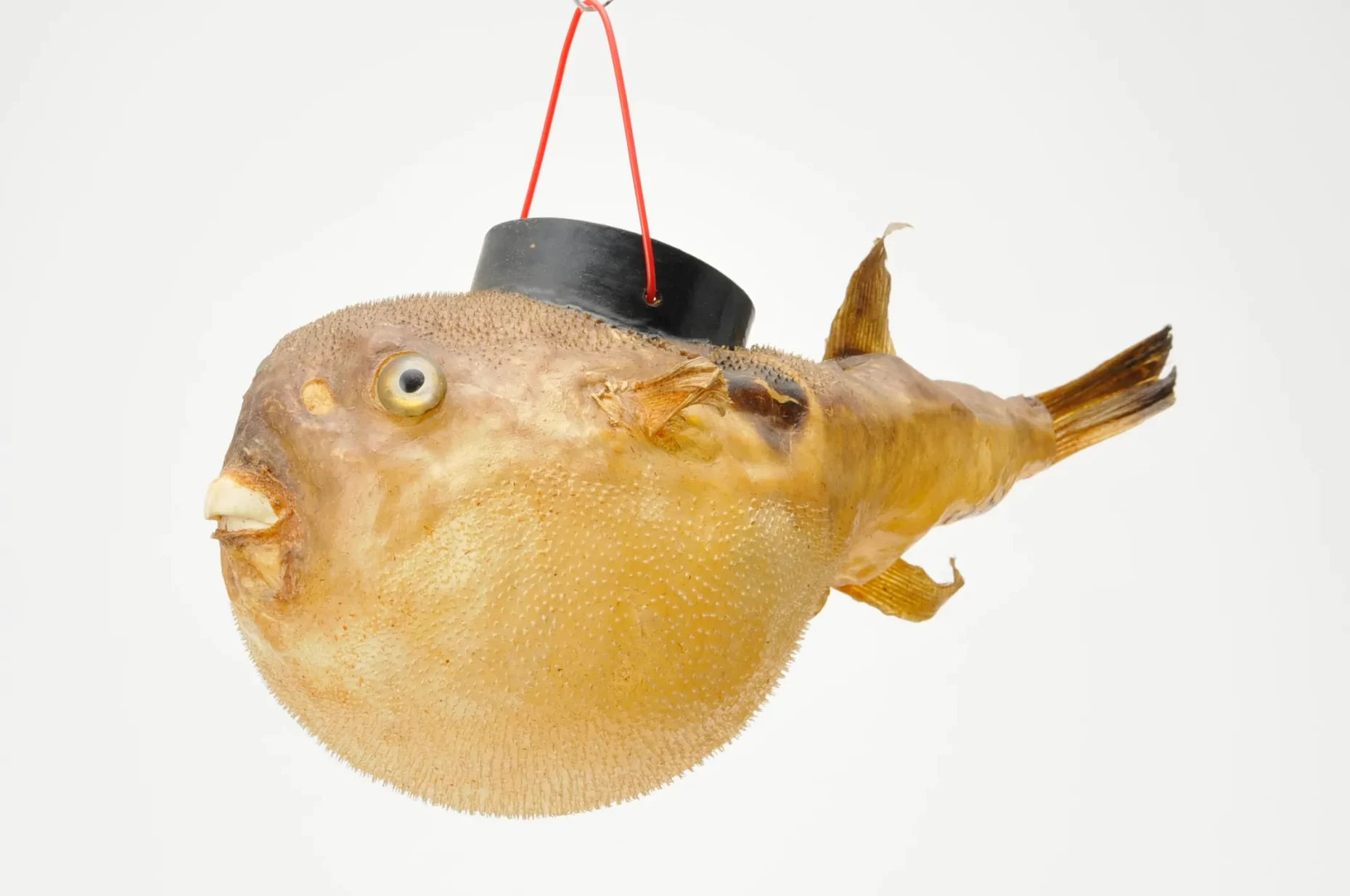
There are lanterns called "pufferfish lanterns" made by drying pufferfish and porcupinefish. These have been seen in various regions since ancient times as a charm against evil and misfortune. Boxfish, whose bodies are as hard as shells, are also considered a charm against evil and were used in wedding ceremonies. The custom of using pufferfish as a charm against evil can be seen in various examples throughout Japan.
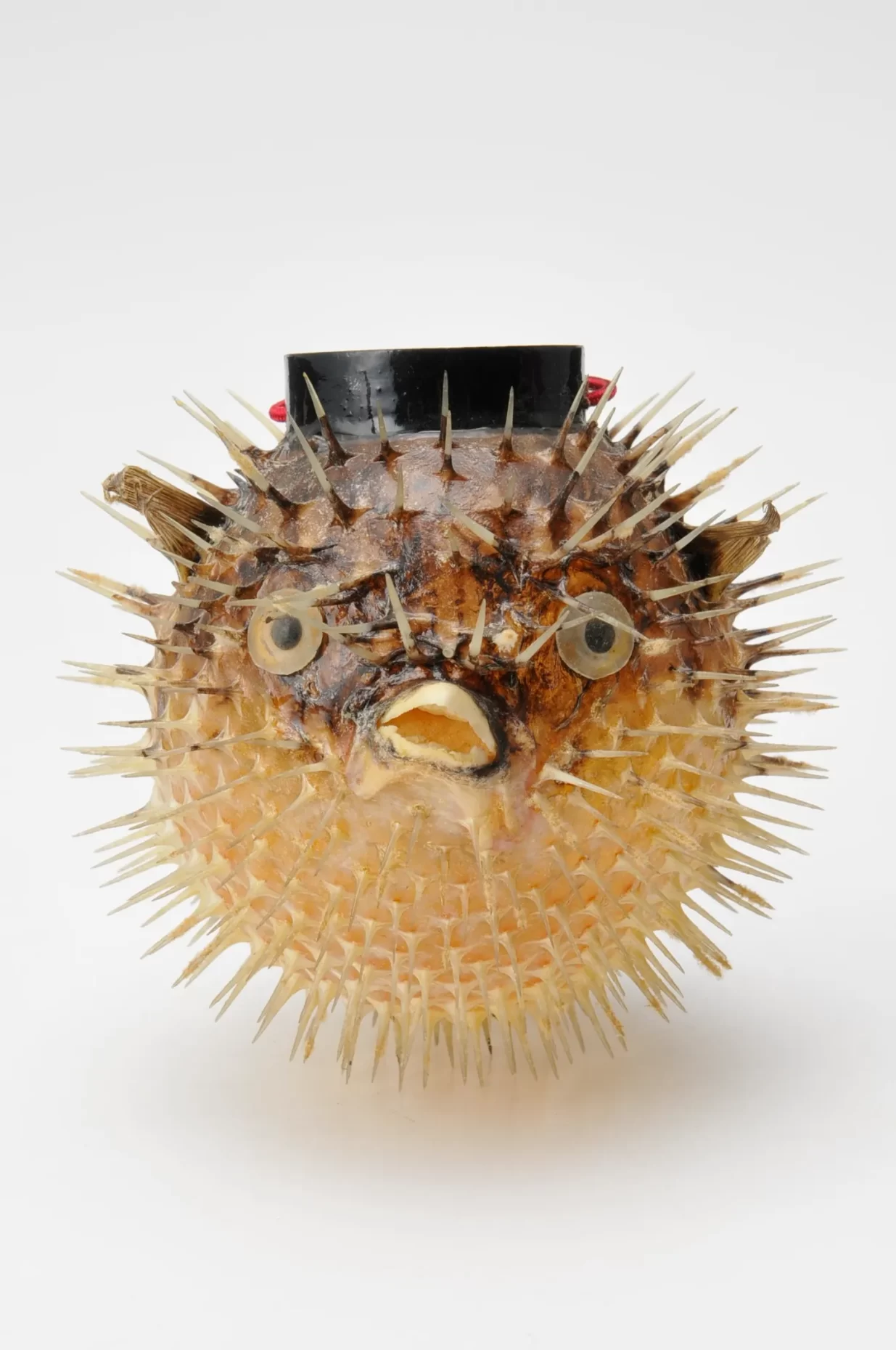
Pufferfish as a craft item
Fugu lanterns, made from pufferfish skin, are made by stuffing the inside with rice husks, sewing it together, and making sure the fins are taut before sun-drying. Once dry and hardened, the rice husks are removed, and eyes are drawn in to complete the lantern.
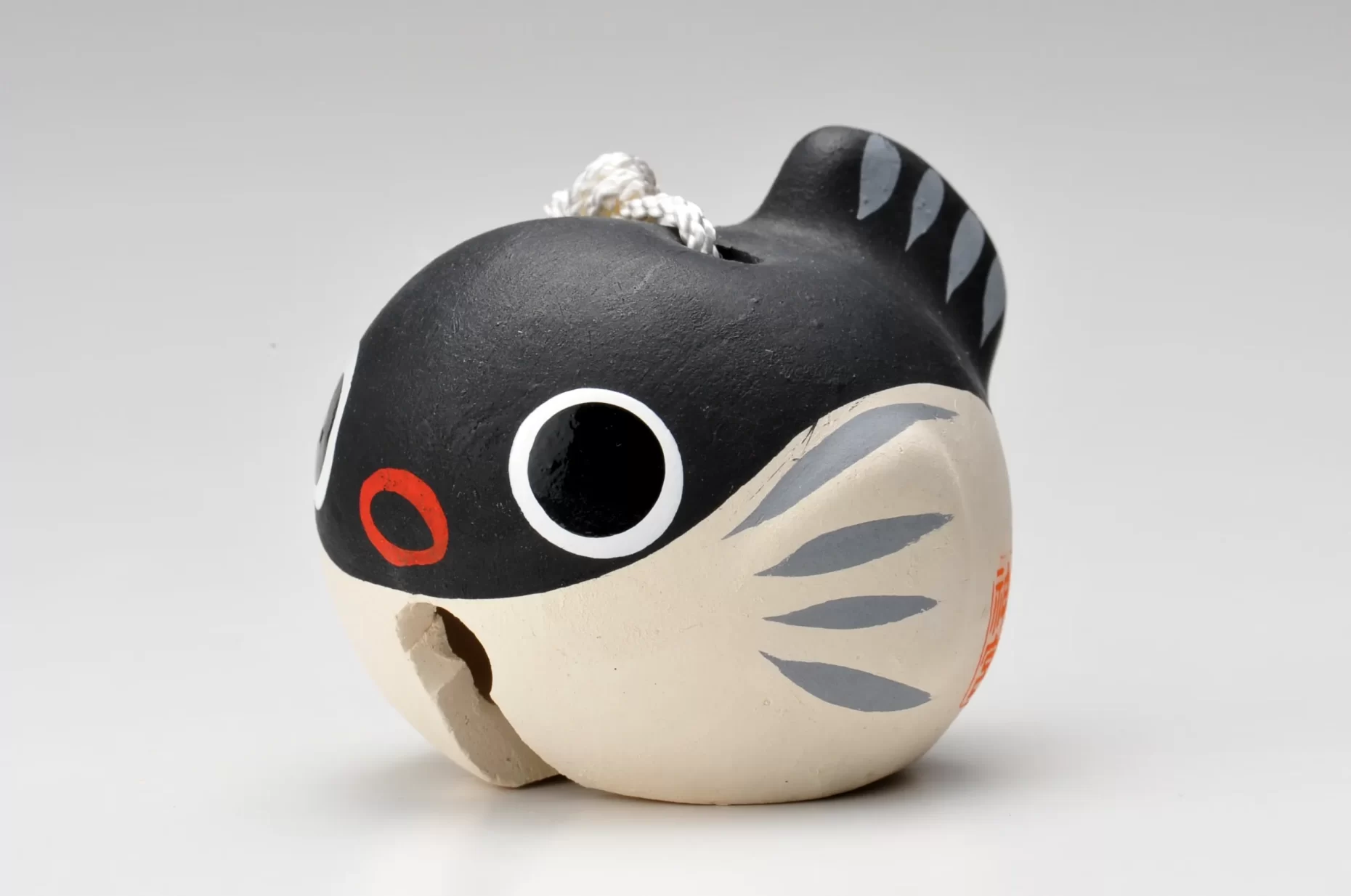
Pufferfish folk toys
While clay bells traditionally have the meaning of warding off evil, the pufferfish clay bell is not only cute in appearance, but its effectiveness is doubled by the combination of the pufferfish's protective power and the sound it makes. Furthermore, the round shape of the pufferfish is well-suited to being represented as a clay bell. Although pufferfish normally have beak-like teeth (which are also a delicacy), here they are depicted as lips.
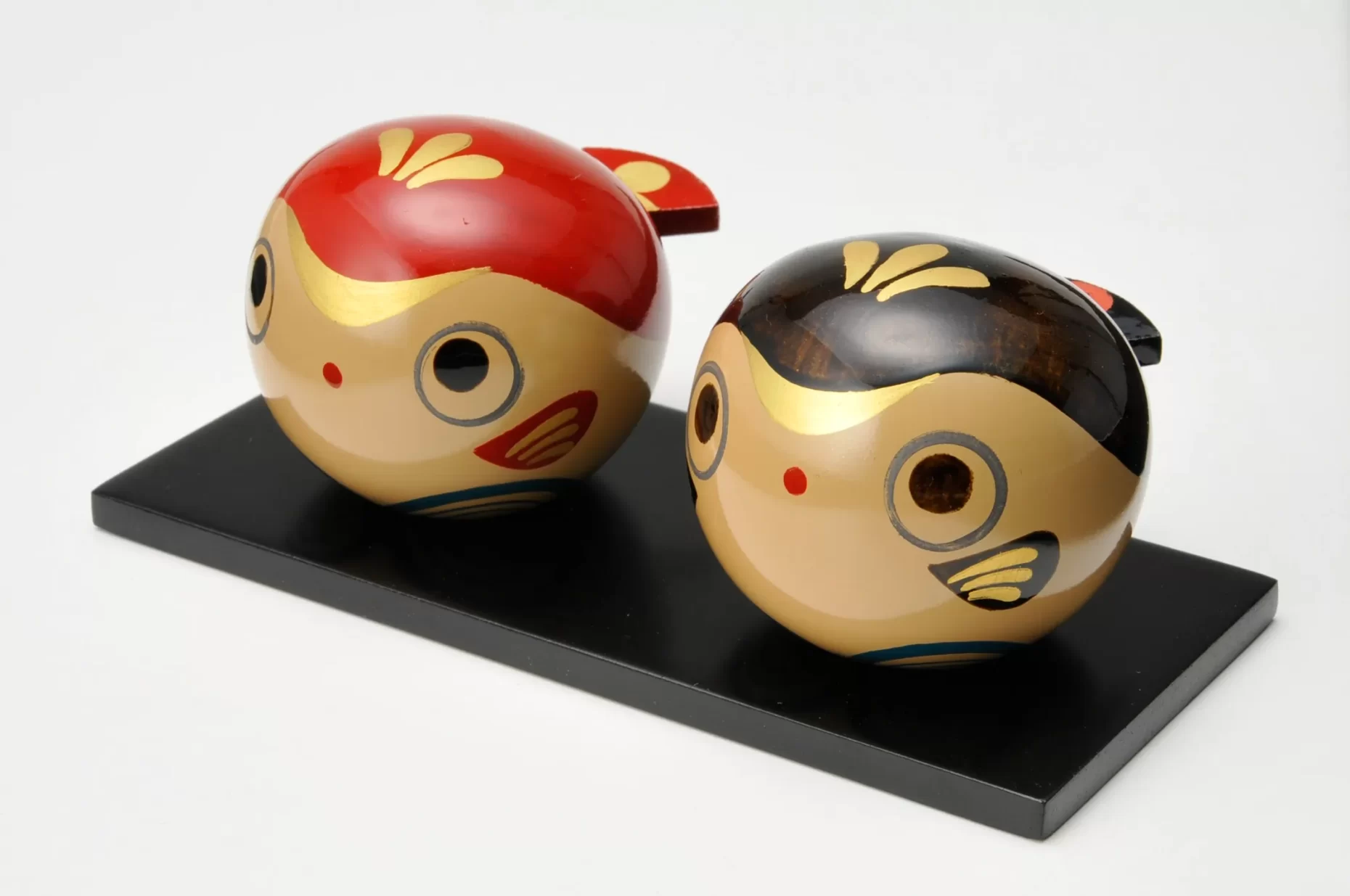
A lucky fish
In Shimonoseki, pufferfish are called "fuku." There are various theories as to why, but they are generally considered auspicious, symbolizing good fortune and bliss. The puffy shape of the fish also reinforces this auspicious image.
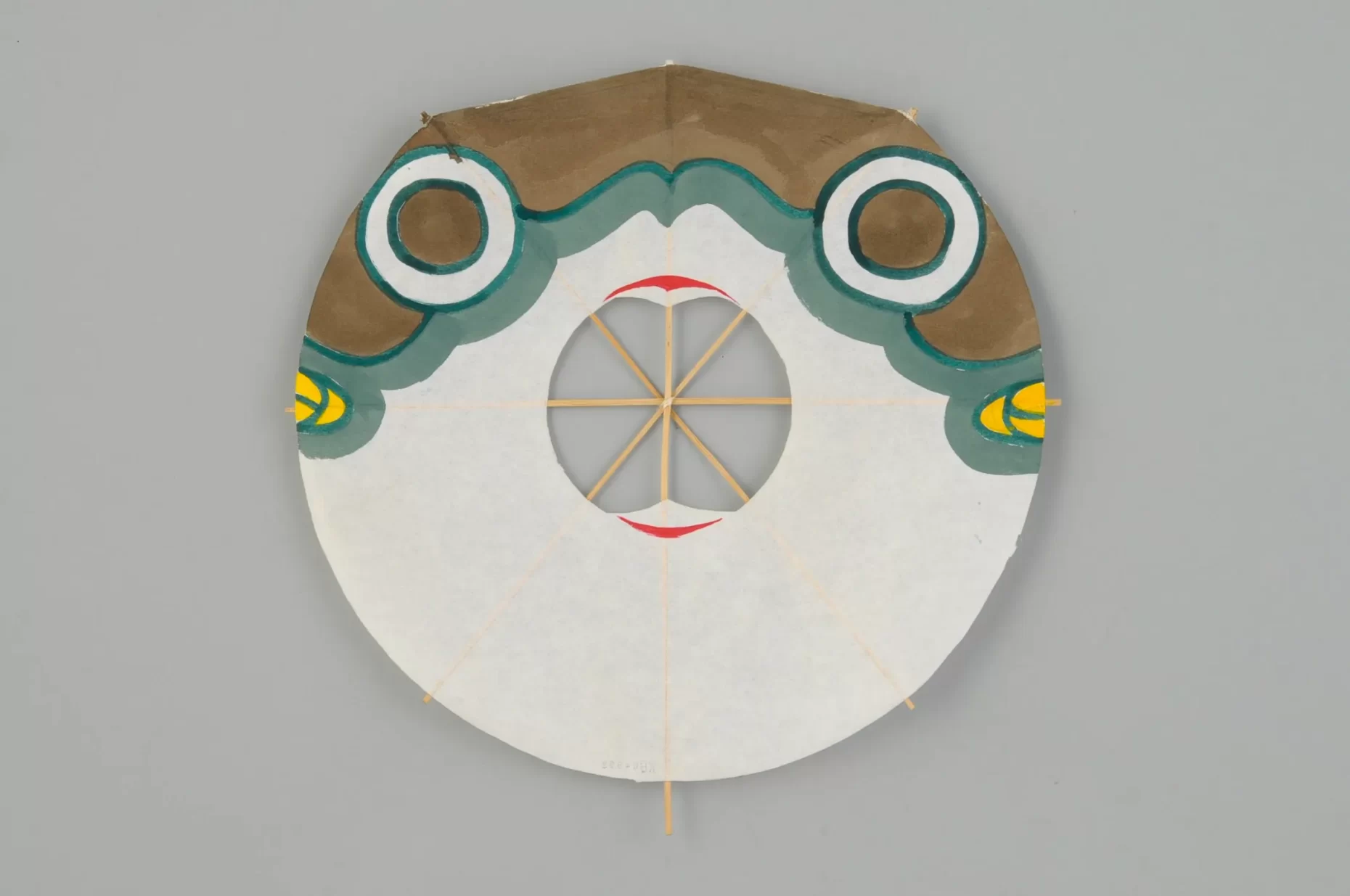
A pufferfish from the front
Fish usually have a narrow width when viewed from the front, making their faces less noticeable. However, pufferfish have round faces even in their normal state, and when they are threatening, their faces swell even more, becoming clearly visible from the front. This toy, which uses a round kite to resemble a pufferfish, captures the characteristics of a pufferfish well despite its simplified design.
Planning, supervision, and writing
Koji Kato
Professor at Musashino Art University, specializing in folklore (research on folk implements). Holds a PhD in Literature. Previously served as a curator at the Wakayama Prefectural Kii Fudoki-no-Oka Museum and a professor at Tohoku Gakuin University (concurrently serving as a curator at the university museum), before assuming his current position in 2019. His major publications include "Folklore: Facing and Expressing the Past" (Musashino Art Publishing Bureau/2022) and "Folklore: Public Studies: Learning and Practicing for Oneself" (Musashino Art Publishing Bureau/2025).