A little-known masterpiece by Kenzo Tange, imbued with his feelings for the young people lost in the war.
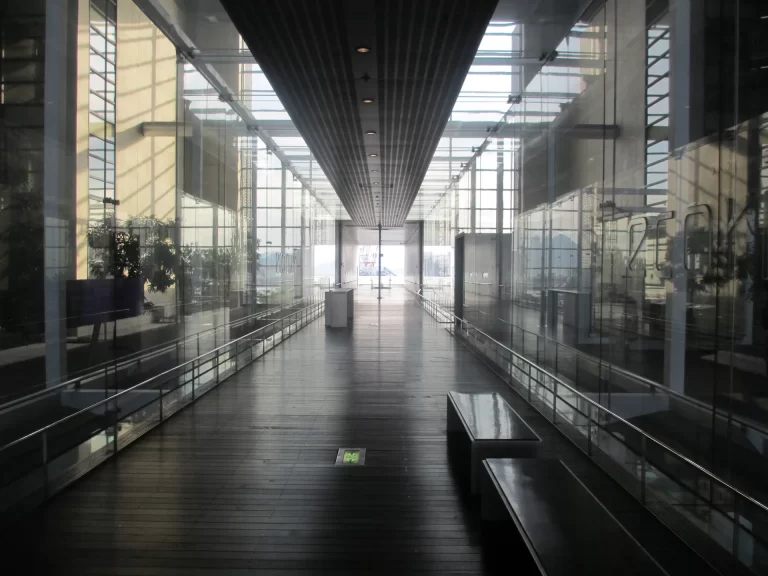
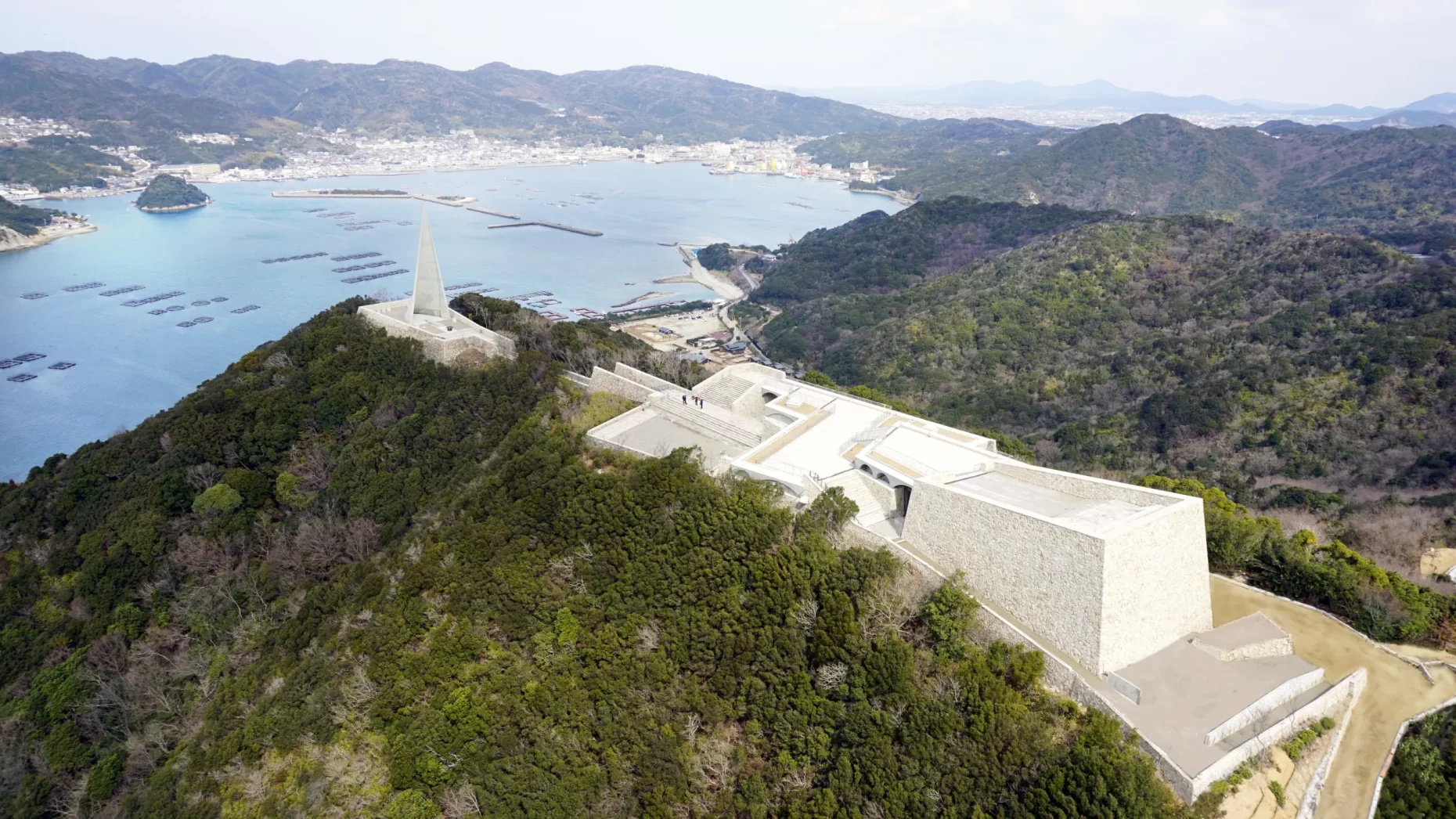
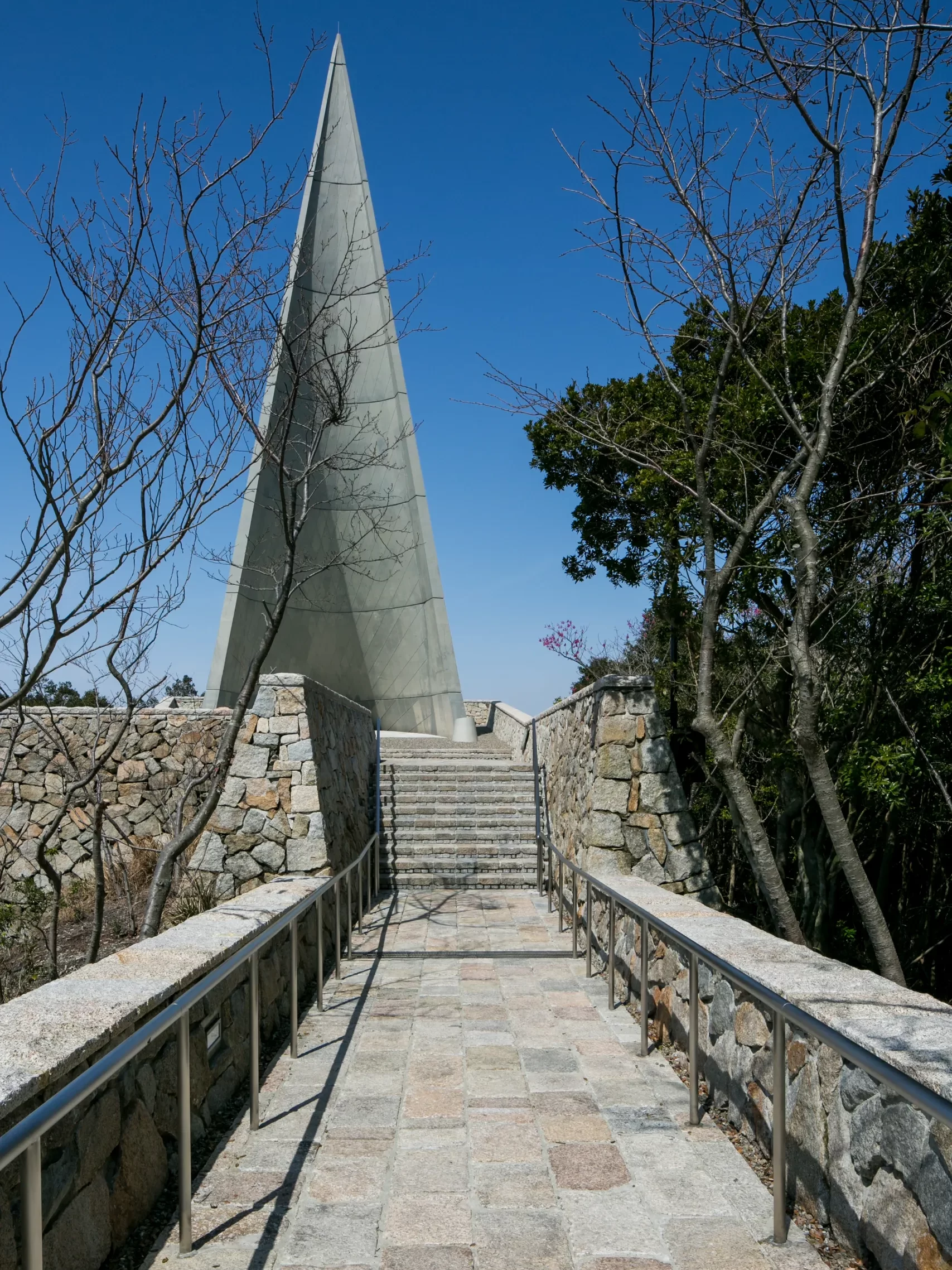
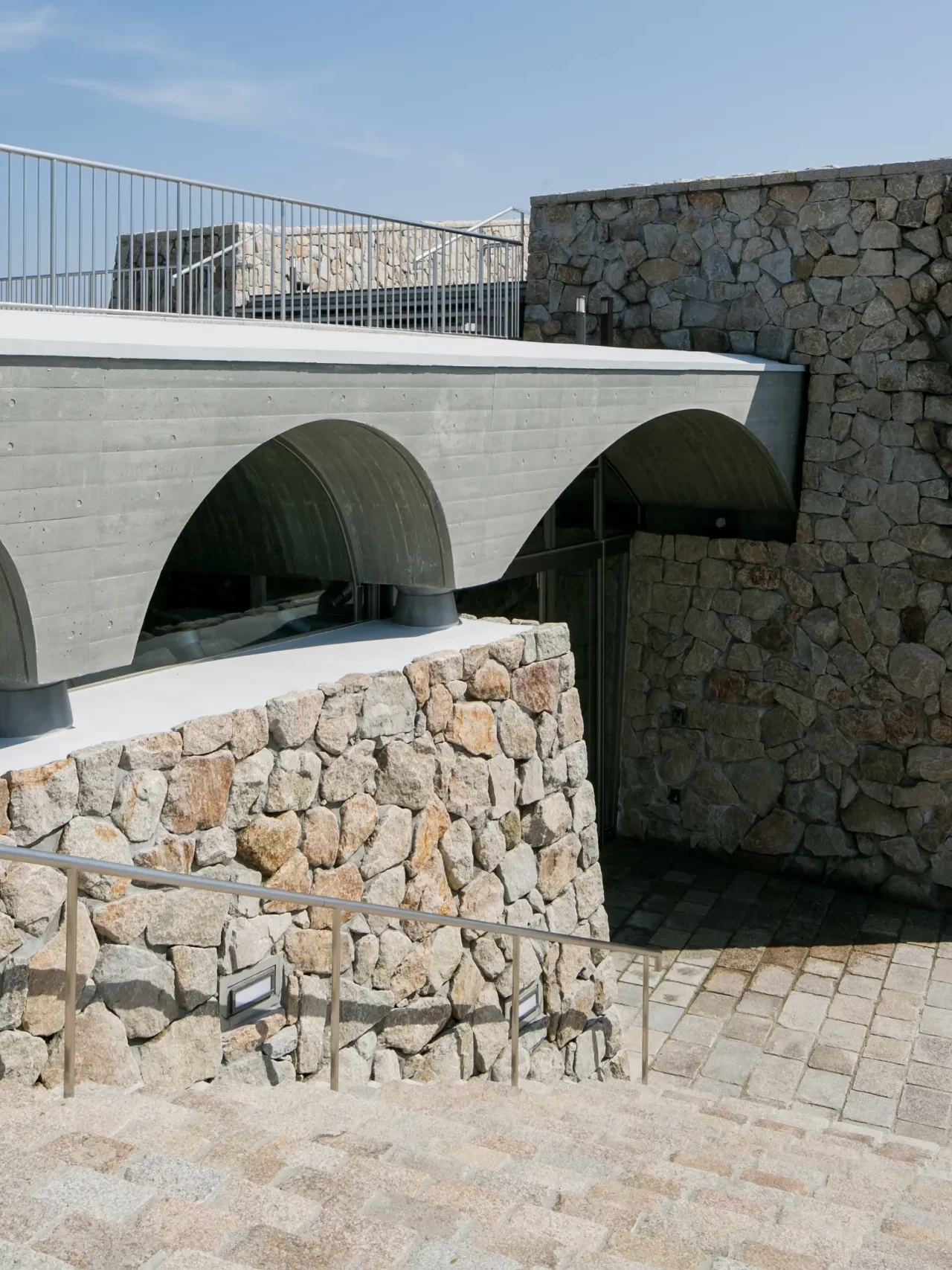
Mount Omi, towering over the southern part of Awaji Island in Minamiawaji City, Hyogo Prefecture, overlooks the Naruto Strait. Standing atop this mountain is a memorial facility for student laborers who were mobilized to work in munitions factories during the Pacific War and died there. The facility was designed by Kenzo Tange, who himself lost his parents, friends, and the town where he grew up during the war. It is a complex facility that includes a towering stone-built exhibition hall, and uses the HP shell structure, which was also used in the previously completed "Tokyo Cathedral of St. Mary," to place an iconic memorial tower. The memorial tower, which is modeled after a pen nib to represent the students, stands 25 meters tall. The stone walls of the exhibition hall use granite, the same type of stone used in the walls of Imabari Castle, Tange's hometown. The facility was forced to close due to damage from the Great Hanshin-Awaji Earthquake, but in response to calls for its reopening, it was redeveloped as an urban park by Tange Associates, led by Tange's son, Noritaka Tange.
Memorial for Students Who Perished in the War, Youth Plaza Park
・Architect : Kenzo Tange Associates
・Renovation Architect :Tange Associates
・Location : 2658-7 Aman Shioya-cho, Minamiawaji City, Hyogo Prefecture
・Uses : Memorials and Parks
・Completed : 1967 (renovated in 2015)
Text: Yoshinao Yamada