One of Japan's leading marine museums, conveying the workings of the sea in their entirety.
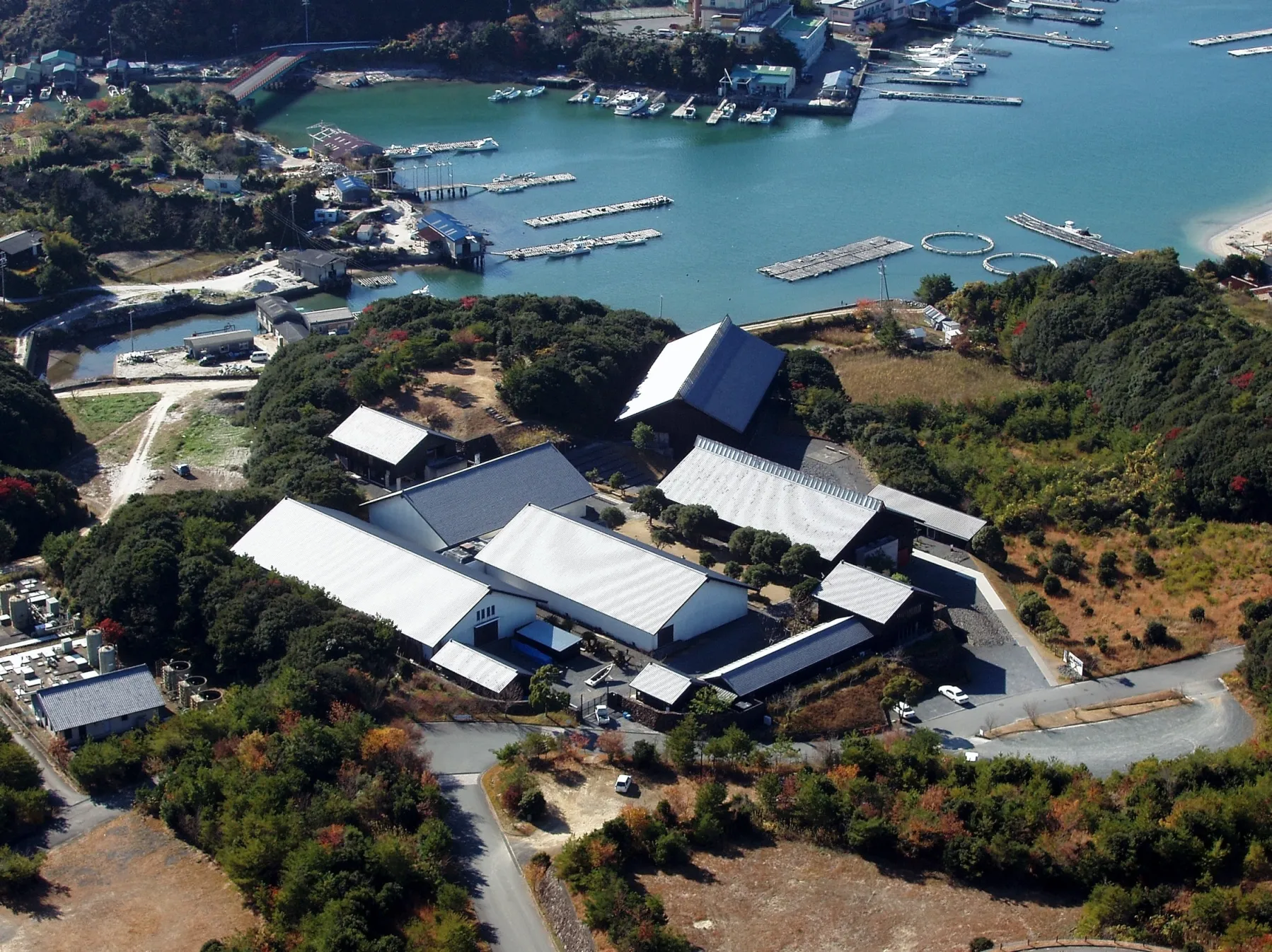
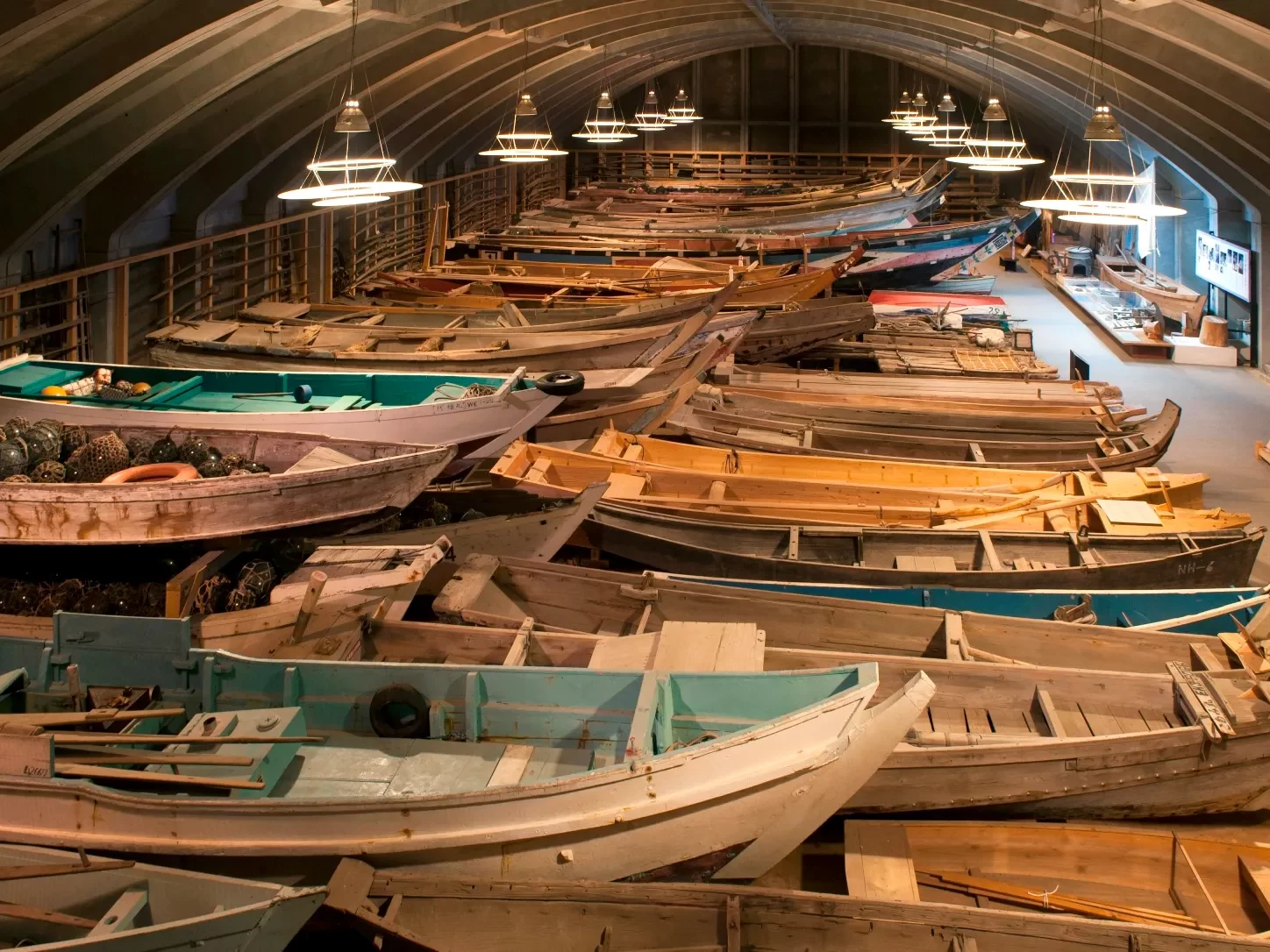
This museum is located in Uramura-cho, Toba City, Mie Prefecture. Opened in 1971 as a private museum, it conducts research, studies, exhibitions, and social education activities from various perspectives on the relationship between the "sea people" (kaimin) who live in harmony with the sea and the ocean. In 2017, it became a Toba City Museum. The vast collection of marine folklore materials, mainly collected by Yoshitaka Ishihara, who also served as the second director, is extremely valuable as many of these materials have been lost due to changes in lifestyle. The contents cover a wide range of topics, including the fishing industry, shipping industry, shipbuilding (mainly wooden ships), and distribution of marine products, encompassing economics, religion, folklore, culture, resource conservation, and marine pollution. In 2021, the number of items in its collection exceeded 63,000 (including 6,879 items designated as important tangible folk cultural properties by the national government).
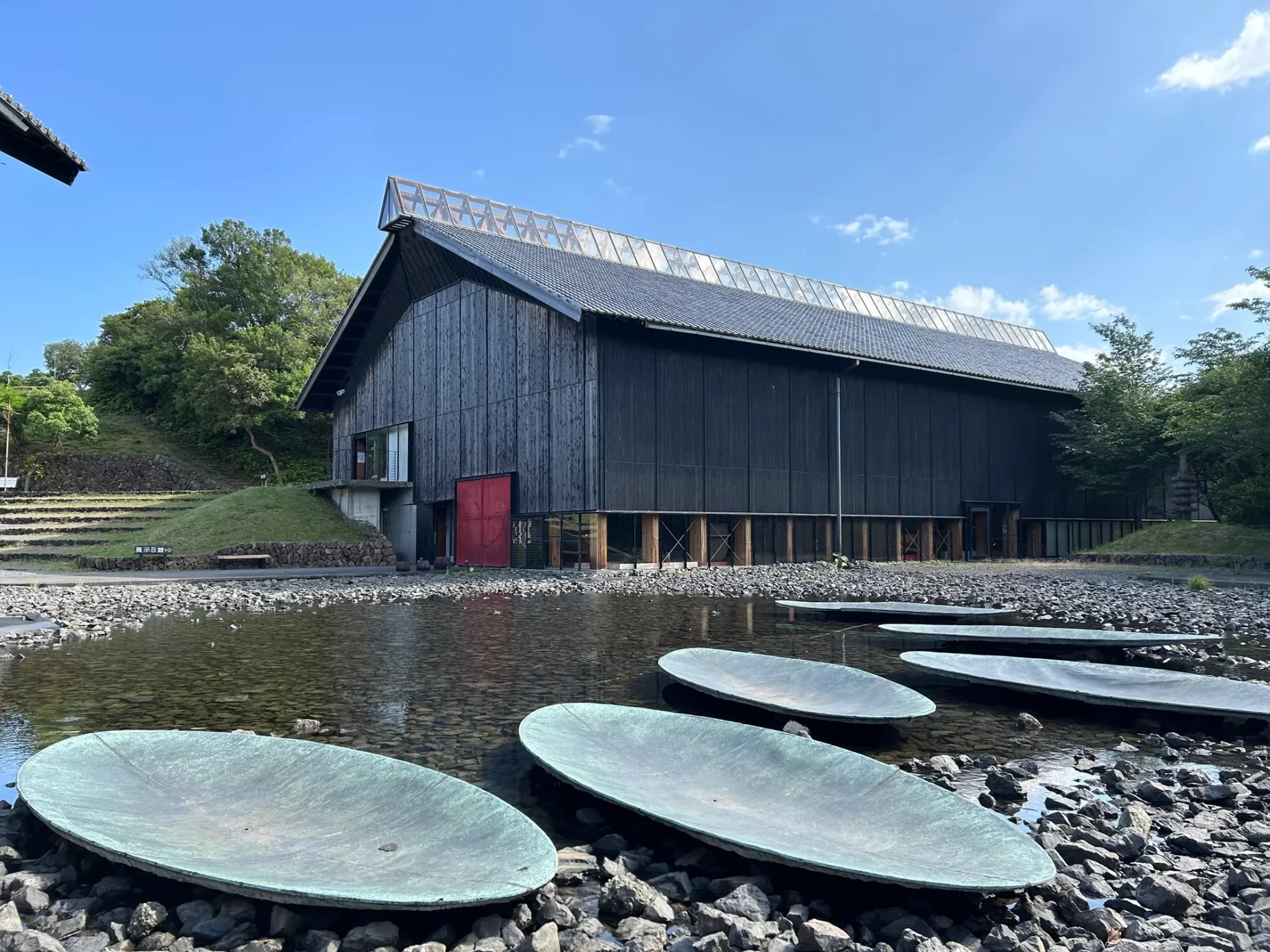
The current building was designed by architect Hiroshi Naito. The museum relocated from its old location to its present site, with the storage facility being completed first, followed by the exhibition building, which was then opened to the public. The storage facility was constructed of precast concrete to meet the request for a large, column-free space capable of housing even large ships and built to last 100 years. The exhibition building, where people are the central focus, utilizes large-section laminated timber to create a massive space. This predates the recent trend of large wooden spaces, enveloping the diverse collection like the sea itself.
Toba Sea-Folk Museum
・Architect :Naito Architect & Associates
・Location : 1731-68 Ooyoshi, Uramura-cho, Toba City, Mie Prefecture
・Use : Museum
・Completed : 1992
Text: Yoshinao Yamada