“Humans live with contradictions. Architecture may be a symbol of that.”
The Toba Sea-Folk Museum born in a turbulent era
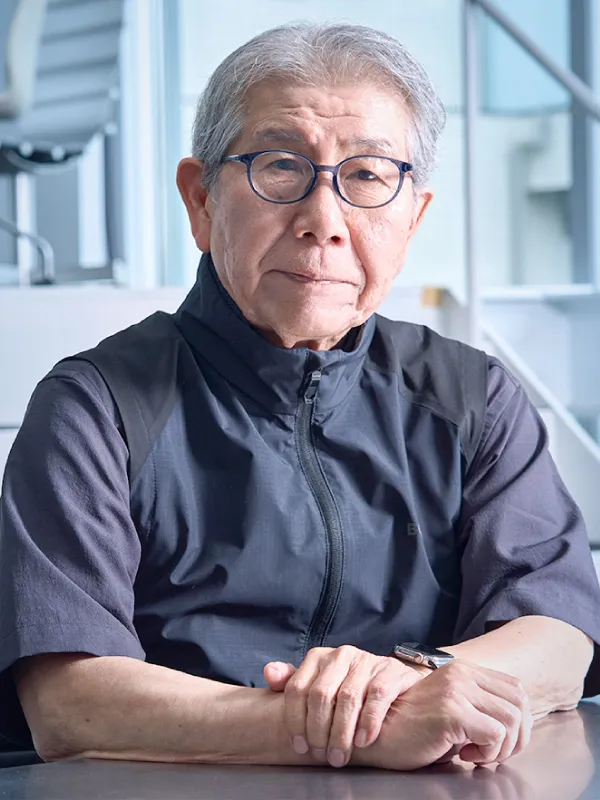
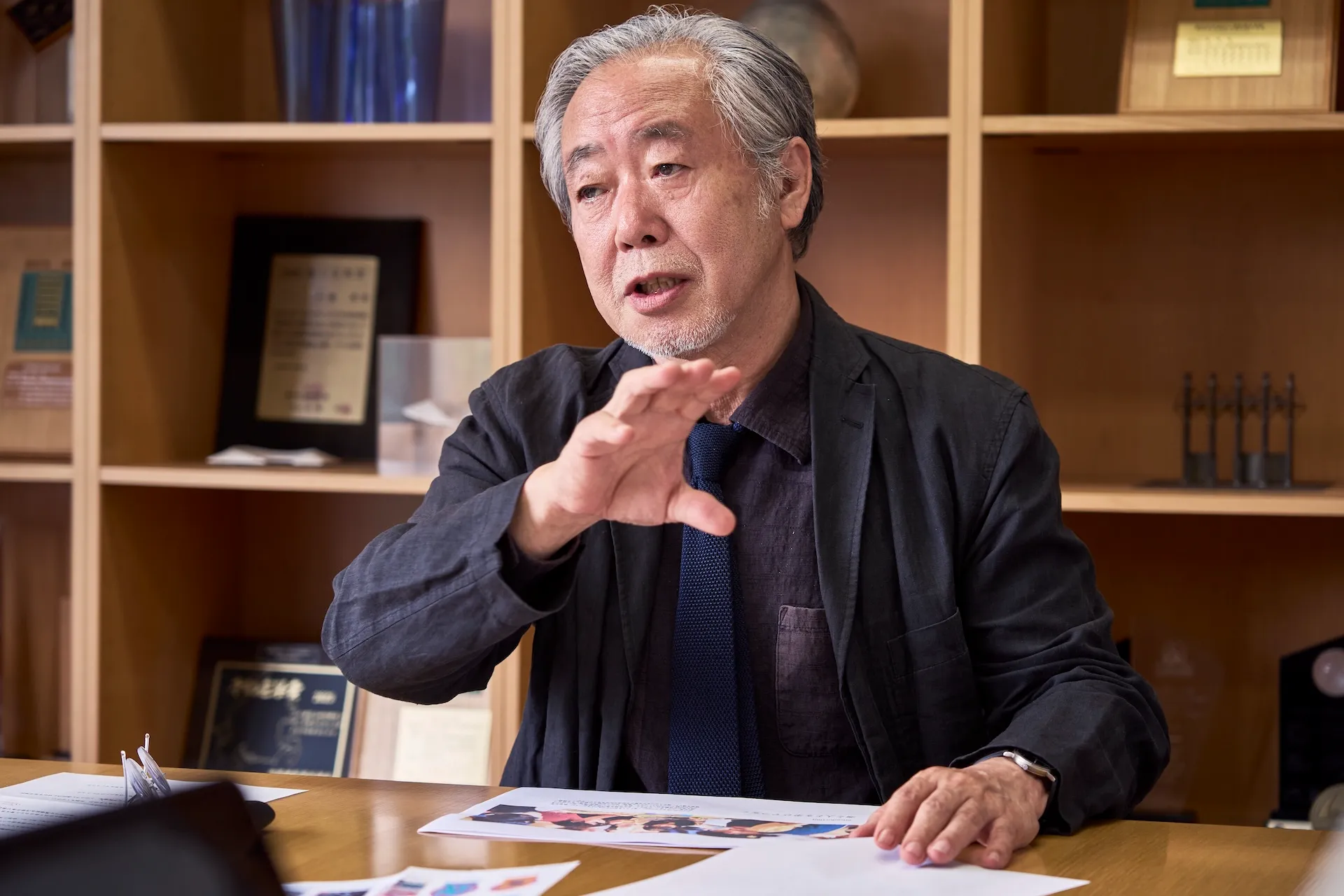
Architect Hiroshi Naito is a rare figure who presents future possibilities through architecture, civil engineering, and urban planning. In recent years, in particular, his skills have led him to continue working to create new possibilities in places where various problems are intertwined, either through his architecture or through a comprehensive perspective. Naito has designed two facilities with the themes of the sea and inheritance. One is the "Toba Sea-Folk Museum" in Toba City, Mie Prefecture, which conveys maritime culture. The other is the "Takatamatsubara Tsunami Memorial Park, Takatamatsubara National Tsunami Memorial" in Rikuzentakata City, Iwate Prefecture, which is a reconstruction memorial park intended to commemorate the victims of the Great East Japan Earthquake and Tsunami. Through these two facilities, we will unravel the sea as seen through Naito's eyes.
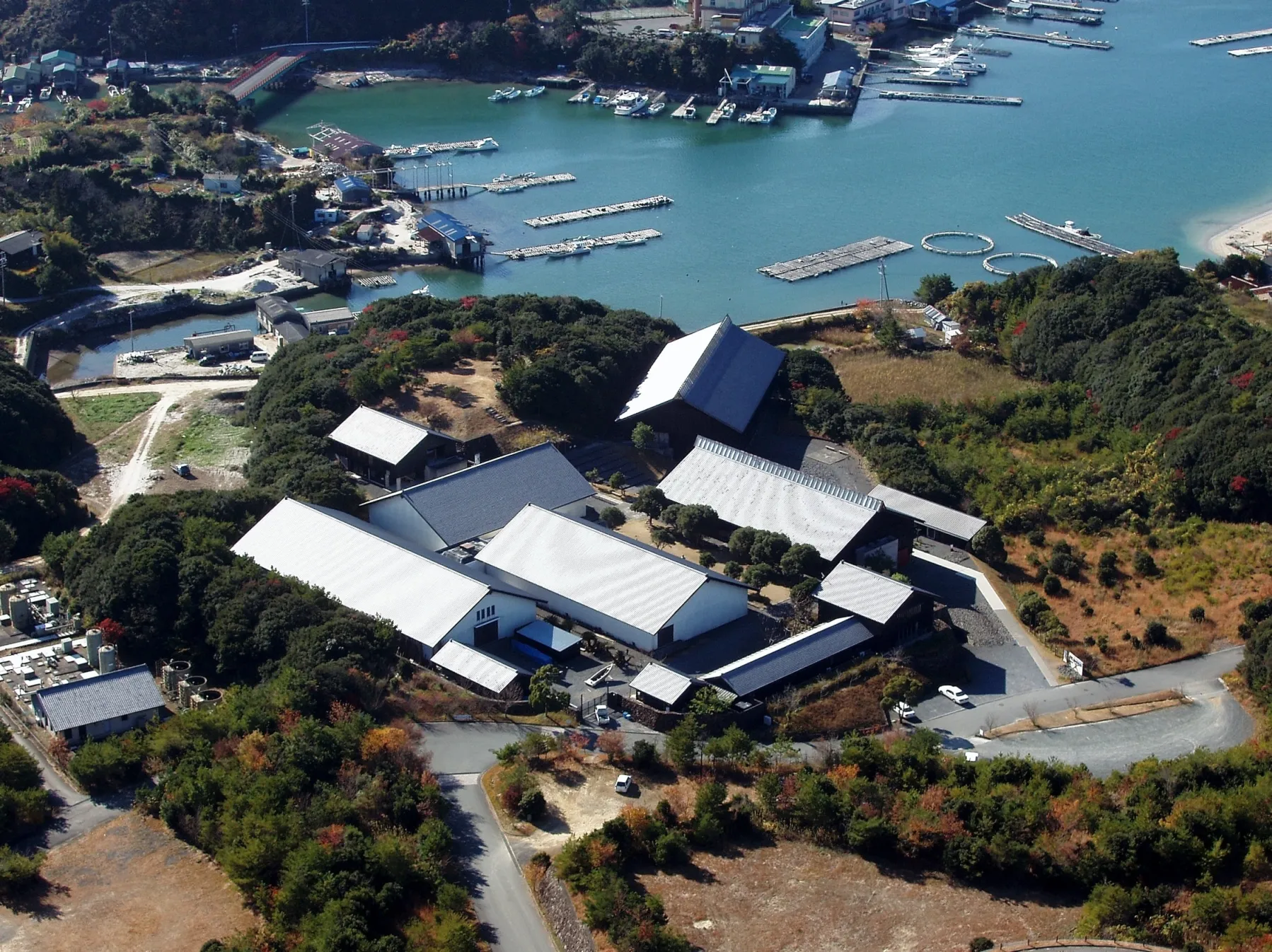
"The Toba Sea-Folk Museum" boasts a first-class collection of materials on Japan's maritime culture. Surprisingly, the current building originates from the "Shima Art Village" concept envisioned by Seiji Tsutsumi, the founder of the Seibu Group. The plan envisioned a complex facility where domestic and international artists could interact with each other and create works during residencies. The young Naito was among the members of this group, but the plan itself fell through due to the worsening economic situation. However, within the plan, it was decided that the "Toba Sea-Folk Museum" which was located in Toba City, would be relocated to the site of the art village.
"I believe I first met former director Yoshitaka Ishihara around 1985. I was developing the overall concept for the art village, and as one element of that, we decided to relocate the local facility, the 'Museum of the Sea.' As I was talking with Mr. Ishihara, he asked if I would be willing to do the design."
Their relationship lasted longer than expected, and it took seven and a half years to complete the "Toba Sea-Folk Museum." During that time, Japan experienced a turbulent period marked by the Plaza Accord, a rapid appreciation of the yen, and the subsequent rise and fall of the bubble economy. Naito recalls, "I was in the complete opposite direction of the times." While architects in Tokyo were discussing high-priced projects, Naito traveled to Toba several times a week, half-swayed by Ishihara's various ideas, and continued to think about how to design good architecture at low cost. What changed Naito's perspective were the collection and its records. The curators had attached meticulous sketches to the application documents submitted to the Agency for Cultural Affairs. The beauty of these sketches made him realize that the collection, which had previously seemed like a pile of junk crammed into a warehouse, was actually a treasure trove. He came to understand the meaning of the collection, and his desire to preserve it grew stronger. This motivation energized his design work, which went against the prevailing trends of the time.
Architecture to be passed on to the future
"I understand it now. Fishing businesses were closing down one after another. Valuable items worthy of collection were pouring in one after another. It was a time when coastal fishing was rapidly declining, and the speed of collection was extraordinary. They probably wanted to collect more, but they were doing their best. To put it bluntly, folklore studies are about collecting everything related to people's lives. We collect even things related to the daily lives of fishermen, so the storage facility quickly becomes full. Moreover, everyday items are quickly lost. We received government subsidies for the construction of the storage facility, and we also own important cultural properties. So we have an incredible manual, and we store things according to it. But I think the amount of items we have now is probably five to six times what it was when the facility was completed."
Having witnessed the museum's establishment firsthand, Naito also saw the changes in the maritime livelihood and the decline in the number of fishermen. As resin molding technology spread, fishing changed. Boats changed from wood to fiber-reinforced plastic and were equipped with engines. Fishing nets also changed from hemp and cotton to nylon.
"Mr. Ishihara believed that Japan would be fine as long as coastal fisheries were prosperous. However, changes in lifestyle disrupted the cycle that had continued until then (such as the significant decline in catches in recent years). He had foresight in the sense that he knew a time would come when things would become difficult. There are many things here that predate the changes. If you want to know what life by the sea was like not so long ago, this is the only place you can come."
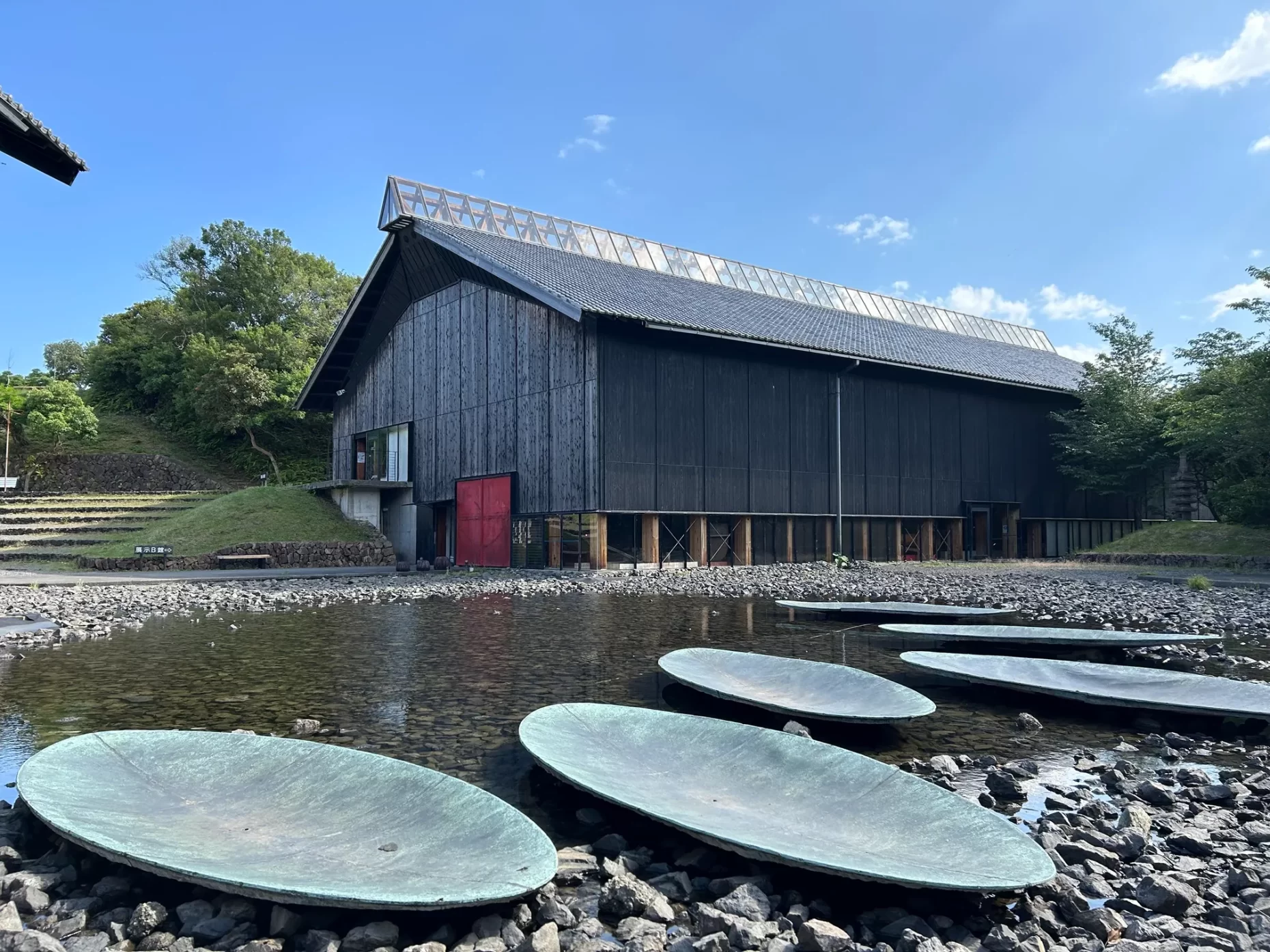
The museum's storage rooms house a variety of ships, and the sight is truly impressive.
"We used precast concrete for the storage facility, but we eliminated all waste. Part of it was to maintain my own ambition, but I also wanted to break through costs with cutting-edge technology. Even now, it's difficult to surpass the structure of the first storage facility we built. We assembled extremely precise parts that were manufactured in advance at the factory on-site. This storage facility is located on a hard bedrock 12.5 meters above sea level. This was also a strong request from Mr. Ishihara. We researched temple records from around the Edo period and set the height to ensure that tsunamis would not surge up the slope. Because storage facilities are something that must be passed on to future generations."
Meanwhile, the exhibition building features a large open space constructed with large-section glued laminated timber. In recent years, large wooden spaces have attracted attention, but Naito was far ahead of the curve, realizing this in the "Toba Sea-Folk Museum." Reflecting on it, he laughs, "To put it simply, I worked my hardest on it. Mr. Ishihara wanted the exhibition building to be made of wood, so I poured all the cutting-edge woodworking technology and structural analysis techniques of the time into it. Even after it was completed, it was anachronistic, and I worked on it until my office was almost bankrupt."

Takatamatsubara Tsunami Memorial Park, Takatamatsubara National Tsunami Memorial
Naito later designed the Rikuzentakata Municipal Museum (2022), where he also took measures to protect the collection from tsunamis. However, this was a case that preceded it by a great deal. However, he says that this idea was more due to the museum's foresight than his own. The Great East Japan Earthquake brought once again the major challenge of how to pass on the memory of the sea. It cannot be denied that in human activities, there is an undeniable aspect to which the transmission of memories is inevitably interrupted.
"For example, fishermen make a living risking their lives in the dangerous environment of the sea. It's a matter of individual lifestyle, and you can't tell them to quit. I served on the Iwate Prefecture Tsunami Disaster Prevention Technical Expert Committee. It was the committee that decided the height of seawalls, and it was the most mentally challenging committee I served on in relation to the Great East Japan Earthquake. We built high seawalls along the coast of Tohoku, creating areas isolated from the sea. Tsunami experts say that tsunamis are unpredictable because there are so many conditions involved. But for the sake of reconstruction, we have to make some decisions."
Naito says that this raises the question of why a decision has to be made.
"I kept going to the disaster-stricken areas and wondered why things weren't going well. So I spent a year reading law books. The Six Codes of Land, Infrastructure, Transport and Tourism, the Complete Collection of Laws, and various books on legal matters and rights. Every official is working hard on the ground towards reconstruction. But fundamentally, they can only do two things: abide by the law and execute the budget. To talk to them, I also need to know the law. For example, I read the Land Readjustment Act. But there are parts I don't understand. Those are matters of rights, so I read the Civil Code. If there are parts I don't understand even after reading the Civil Code, I read the Constitution. As I kept reading and going back, I began to see that the Constitution says it protects the lives and property of citizens and respects individual rights. Let's say there is a disaster-stricken area without seawalls. A new town cannot be built without land readjustment. And then people have to be relocated to higher ground. To do that, a place that can be called safe must be created. But no one knows if that safety is guaranteed. But if it is not decided, the law will come to a standstill. It's a contradiction."
Some areas said that seawalls were unnecessary. These were fishing villages with strong community ties and a sense of self-governance. That's why they weren't built. "I understand the criticism of the seawalls, but we had no choice but to build them. That was the will of the residents at that time. But people's hearts are moved. The government has to take measures. But even after the measures are implemented, people's hearts continue to be moved, and sometimes they think that maybe the seawalls weren't necessary after all. It remains a kind of contradiction," says Naito.
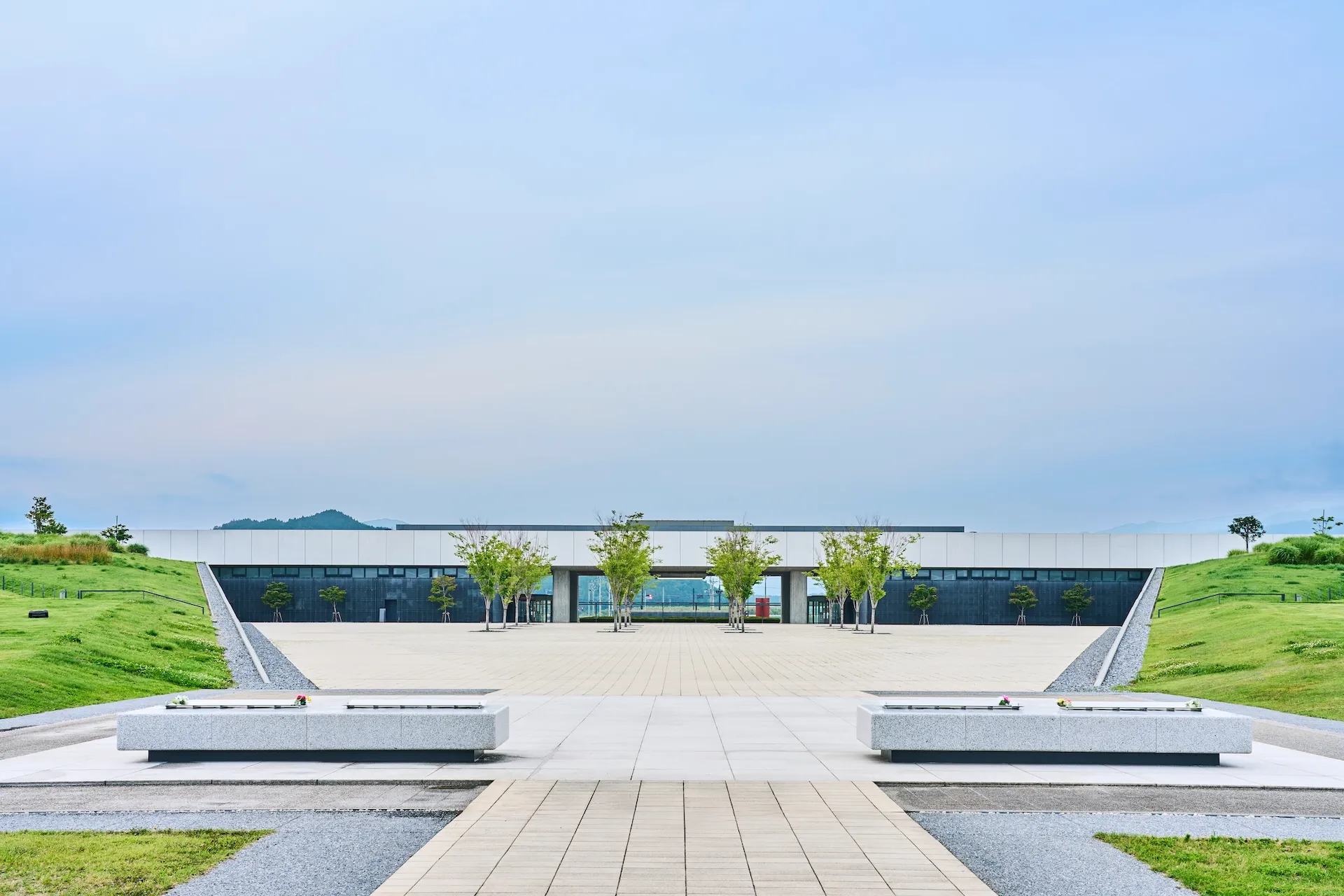
Living with the sea while grappling with contradictions
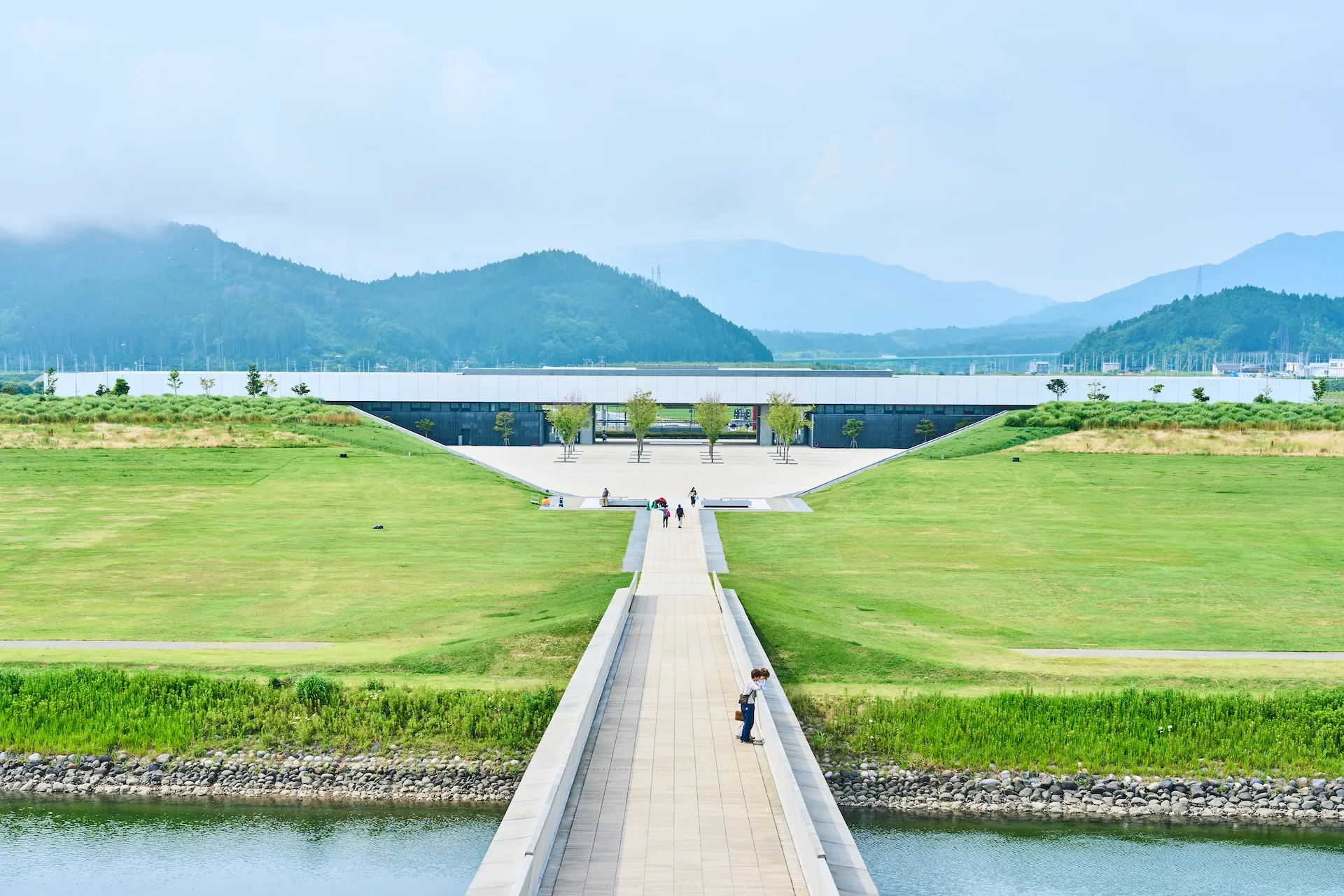
At the Takada Matsubara Tsunami Reconstruction Memorial Park, a national memorial and prayer facility, Naito also held lengthy discussions with local residents. The first issue discussed was whether or not to preserve the earthquake-related remains. Naito himself believed they should be preserved, but he couldn't voice that opinion. After much discussion, a member of the Junior Chamber International said, "No matter how much we tell people or how much we document, it's impossible to convey (the damage from the earthquake) for a hundred years to come." An elderly woman who served as the head of the women's association then agreed. Thus, it was decided to preserve the earthquake-related remains.
"However, the locals still have ambivalent feelings. Many people are still afraid to go to the sea, or are afraid of being near the sea. Nightmares sometimes flash back when they see the earthquake remains. But the people who live there decided to preserve them. The people who visit 'places overlooking the sea' are inevitably outsiders. That's why we also set up a memorial place (Rikuzentakata City Great East Japan Earthquake Memorial Facility) in the raised town. But this year something surprising happened. Every year on March 11th, I visit several disaster-stricken areas, even though no one asked me to. It's been 15 years since the earthquake. This year I went to Rikuzentakata City, and there were a lot of young people at 'Takata Matsubara Tsunami Reconstruction Memorial Park National Park They were visiting a memorial and prayer facility. From the atmosphere, I think they were local young people. After all, there is a change of generations. Memorial ceremonies are being scaled down more and more, and in some areas, they are even considering stopping altogether. Many different emotions come to mind, so I can understand that to some extent. But seeing so many young people come to a place overlooking the sea and pay their respects facing the ocean was a beautiful sight."
Naito continues, perhaps people cannot live unless they forget.
"Sometimes I wonder why everyone in the disaster-stricken areas can act so cheerfully. But as I spend more time with them, I learn that many of them have lost someone in their family. When something is too painful, people have to forget in order to live each day. I suppose that's an instinct we all have. But that doesn't mean we can just repeat the same mistakes. There's a contradiction here. I've been going to Sanriku for a long time, but I've never heard any of the disaster victims say they hate the sea. The nuclear accident was a man-made disaster, but the tsunami was different."

Architecture situated between the sea and the mountains
Furthermore, he argues that one cannot consider the sea without also considering the mountains. The fishing boats housed in the "Museum of the Sea" also utilize a lot of wood. They use different types of wood depending on the part, such as hardwoods like oak and softwoods from the South Pacific with high oil content, and for this purpose, they used to cultivate trees around fishing villages. Naito believes that there must have been something different in Japan in the past, unlike the landscape of fishing villages today. And that too is gradually being forgotten. The "Museum of the Sea" uses universal materials. Even the roof is made of tiles.
"I believe that many of the problems we face today—namely, the problems of the sea, the mountains, and energy—may have their origins in the early 1960s. The various laws I mentioned earlier were enacted around that time. We must consider what Japan was trying to do at that time. The laws enacted at that time also became a major hurdle in the reconstruction of Sanriku. In other words, the early 1960s were a period when Japan decided to shift towards economic development. Rather than being a voluntary decision, was it a case of legal reform being retrospectively driven by economic demands? However, I still feel that there is value in architecture that lies outside the capitalist economy. At times, it is the craftsman's dedication..." It's about balance and the spirit of craftsmanship. It may not have the same strength as before, but I can still feel it remaining. It's a set of values that aren't entangled in economics, which Ivan Illich once described as "shadow work." I want to have the expectation and hope that it has the power to change people's hearts. Originally, in architecture, the price is determined down to every single nail. If it's possible to create non-capitalist value in that, then perhaps there is hope there. Now that I'm the president of Tama Art University, I feel that I can have high expectations for the young students because they have a high sensitivity to these kinds of things. Being able to feel this was a great reward for me."
Naito observes that young people, in their own way, are calmly observing what is happening in the world. He says that high school students who participated in a workshop he held immediately after the Great East Japan Earthquake have now returned to his activities, which makes him very happy.
"Even a small step in this cycle gives us more motivation to work hard at education. Children will perceive the ostensible logic of capitalism in a completely different way, so there is a pleasant expectation that we can sow the seeds for correcting the distortions of society. Sooner or later, the era will come when artificial intelligence will question what it means to be human. That may be a good opportunity to thoroughly review and re-examine all the activities that humans have undertaken up to now."

Finally, Naito presented Pearl Buck's 1947 short story, "The Big Wave," with illustrations added. The story follows a protagonist who, having suffered a tsunami, chooses to live by the sea again. "In other words, lifestyle, individual freedom, and willpower are the issues we should be thinking about." Perhaps he is contemplating the relationship between humans and the sea, and what architecture should be like in that relationship.
"Sometimes I wonder if architecture is truly necessary. But, as I've been saying, humans live with contradictions. Architecture might be a symbol of that. That's why it's full of contradictions. However, we must live while feeling the richness, the terror, and the fear of the sea. In fact, it's not just the sea, but the mountains as well. Architecture lies in between. We are reconstructing the blessings from nature and creating architecture. All of modern civilization is reconstructing nature in this way. We must not forget that."
Naito argues that in the midst of modernization, people have built industries alongside inherent distortions. He emphasizes that we must not forget the natural environment that underlies this process. He continues, stating that the challenge for architecture going forward is how to mitigate the ailments of modernity. Gazing at the sea, gazing at the mountains, and gazing at people and architecture, this architect, who continues to confront society, works with his gaze fixed on the distant sea.
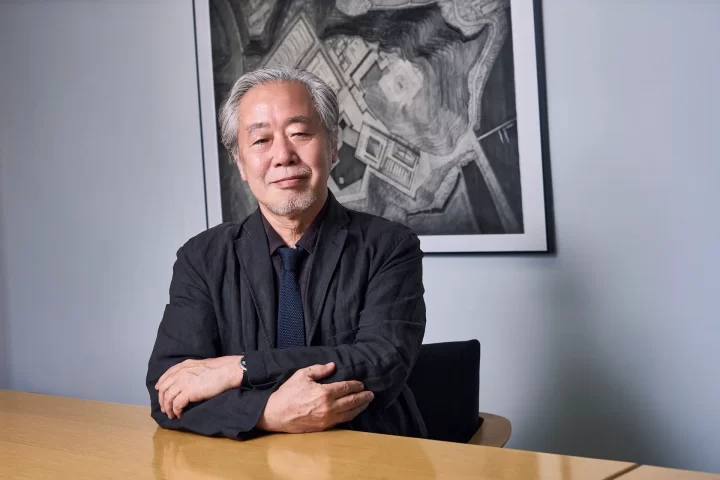
Hiroshi Naito
Born in Yokohama, Kanagawa Prefecture in 1950. Architect. Professor Emeritus of the University of Tokyo and President of Tama Art University. Completed his master's degree at Waseda University Graduate School in 1976. After working at Fernando Higueras Architects (Madrid, Spain) and Kiyonori Kikutake Architects, he established Hiroshi Naito Architects in 1981. From 2001, he served as Professor of Civil Engineering at the Graduate School of Engineering, University of Tokyo, and as Vice President of the University of Tokyo, before retiring in 2011. His representative works include the Museum of the Sea (1992), the Chihiro Art Museum Azumino (1997), the Tomitaro Makino Memorial Museum (1999), the Shimane Prefectural Art and Culture Center (2005), Toraya Akasaka Store (2018), Takada Matsubara Tsunami Reconstruction Memorial Park National Memorial and Prayer Facility (2019), Shibuya Station on the Tokyo Metro Ginza Line (2020), Kyoto Kyukyodo (2020), Kioi Seido (2021), and the Main Building and Auditorium of the Tama Art University Kaminoge Campus (2026).