"The Meaning of the Sea" Vol.3
Mohammed Hesham Salem
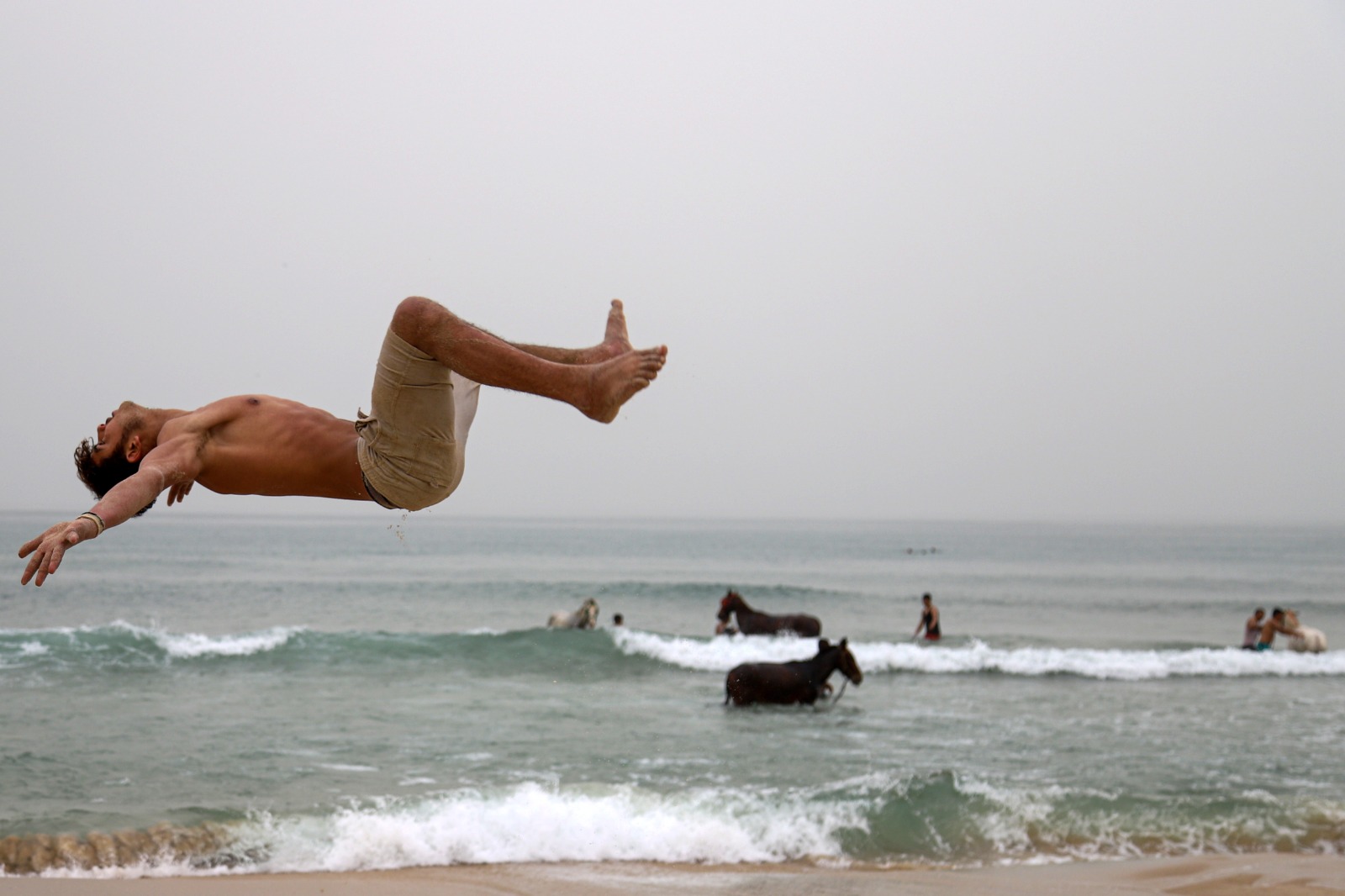
Capturing Everyday Life in Gaza by the Sea
Mohammed Hesham Salem, a photographer from Gaza, Palestine, has long documented the memories and everyday lives of people living under extremely difficult circumstances. His work is shared on his Instagram account and on Untold Palestine, an independent digital platform that tells visual stories about the lives of Palestinians. His photographs of the sea in Gaza have also been featured in a variety of media outlets.
The Gaza Strip is one of the Palestinian territories located on the Mediterranean coast. It is a long, narrow region, approximately 50 km long and 5-8 km wide, and has flourished as a vital transportation hub since ancient times. Currently, the Gaza Strip is facing a serious humanitarian crisis.
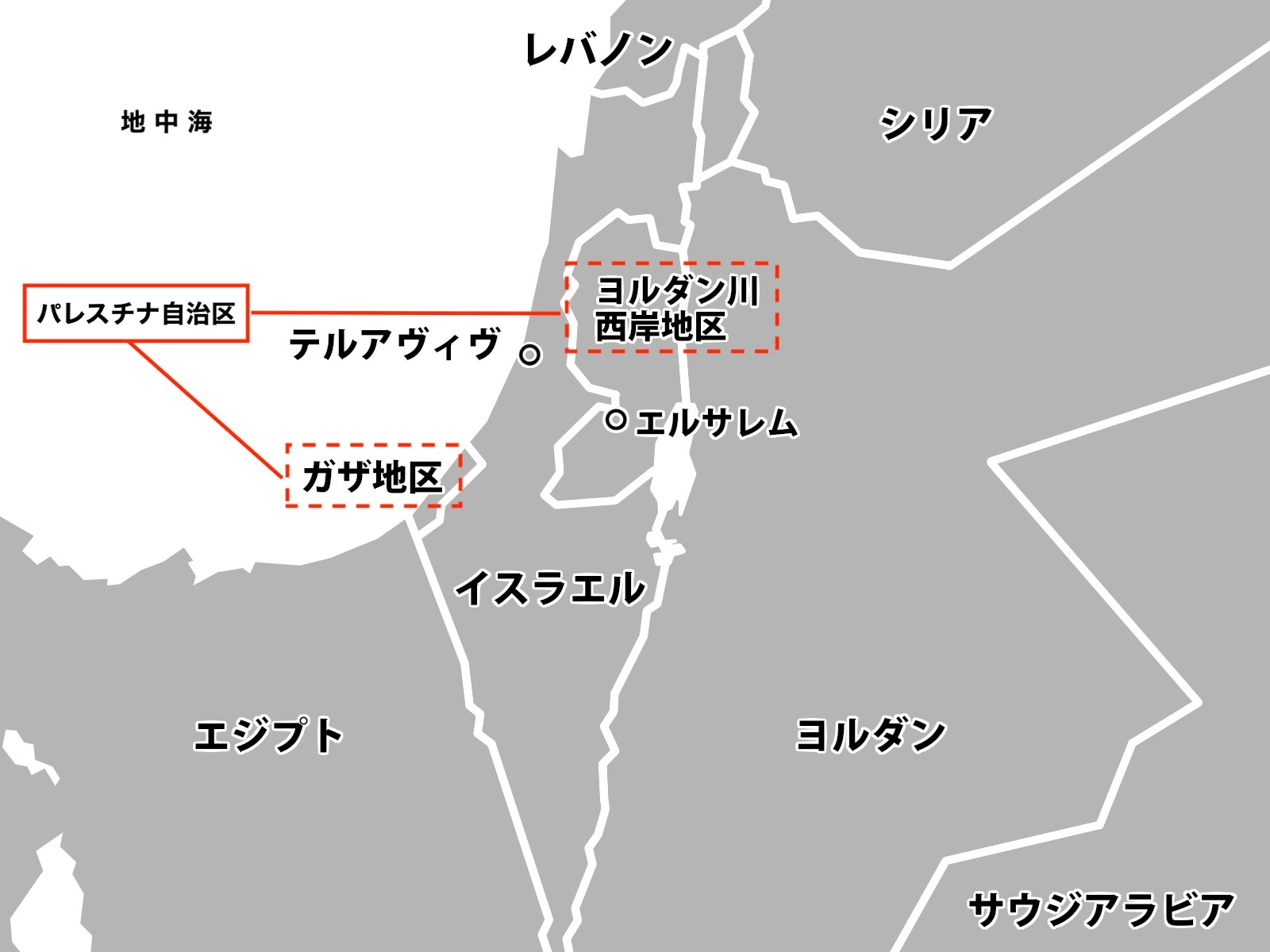
The current humanitarian crisis has its roots in a complex history dating back to the mid-twentieth century. During the Holocaust of World War II, millions of Jews were persecuted, and the question of establishing a safe homeland for Jewish people became an international concern. In 1947, the United Nations General Assembly adopted a plan to partition Palestine into separate Jewish and Arab states. Following the establishment of the State of Israel in 1948 and the war that accompanied it, many Palestinians were displaced from their homes. After the Six-Day War in 1967, the Gaza Strip and the West Bank came under Israeli occupation. The 1993 Oslo Accords established limited self-rule under the Palestinian Authority. However, restrictions on the movement of people and goods have continued, contributing to ongoing shortages of food, medical supplies, and fuel. As a result, the Gaza Strip has often been described as "the world's largest open-air prison."
Even after Israeli forces and settlers withdrew from Gaza in 2005, an Israeli blockade has remained in place since 2007. In October 2023, fighting between Hamas and Israel escalated dramatically, leading to devastating consequences for civilians in Gaza. Although a ceasefire has since taken effect, many civilians have continued to lose their lives.
Mohammed left Gaza on October 4, 2023, just three days before the military conflict began, and has been unable to return home since. He is currently based in Egypt. From his remote location, he continues to communicate the situation in his homeland to the world, working in cooperation with his colleagues in Gaza. The photographs displayed here were taken by Mohammed before he left Gaza.
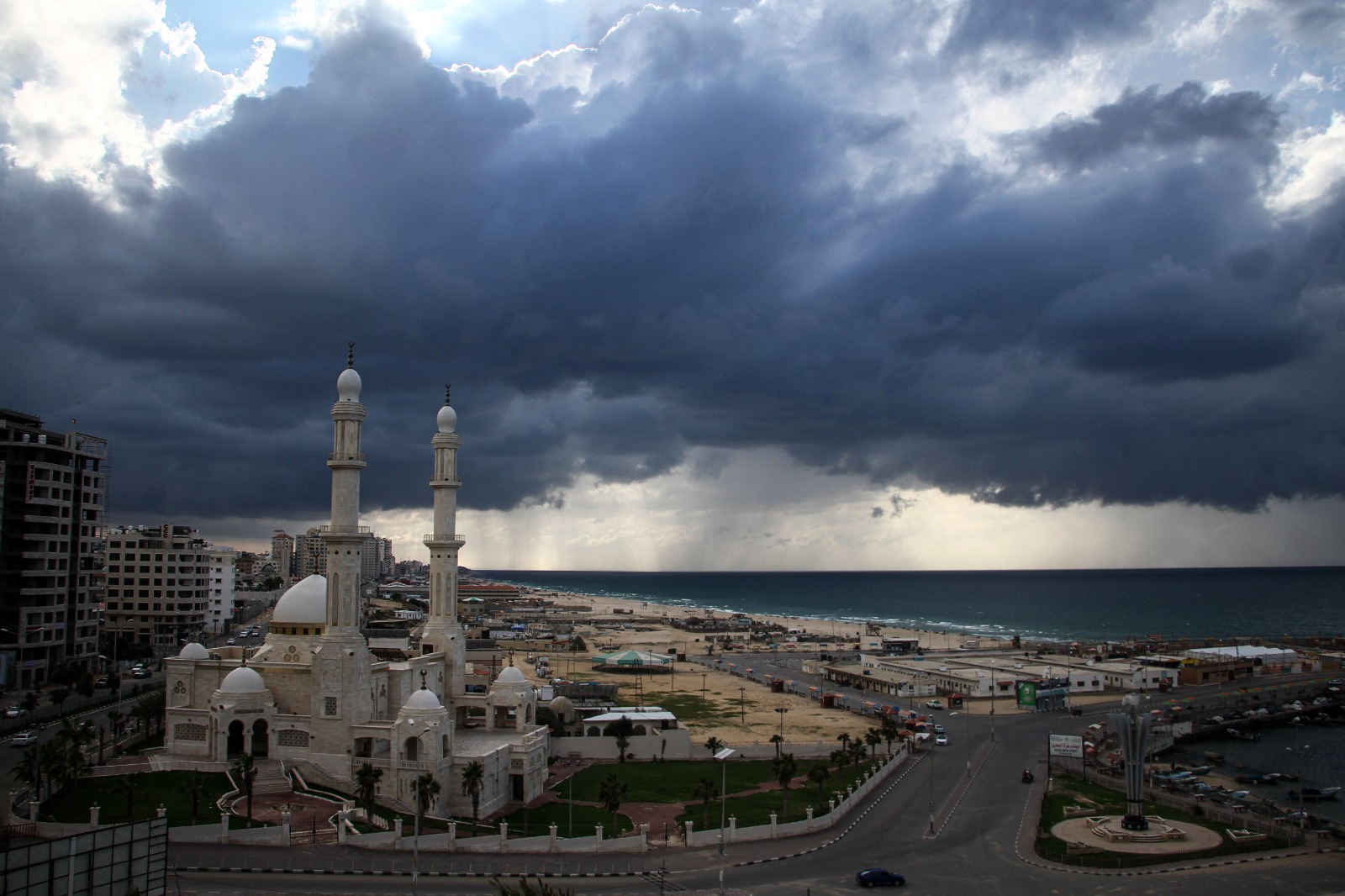
"I document and share the lives of people living through war, blockade, and displacement. For me, photography is a way to preserve stories that might otherwise be erased or forgotten. Being a photographer from Gaza means that the very idea of 'everyday life' is unstable. At times, I am working as a photographer; at other times, I am simply another person trying to survive. That is why I chose not to photograph a distant story, but the place where I belong and the memories that are part of my own life."

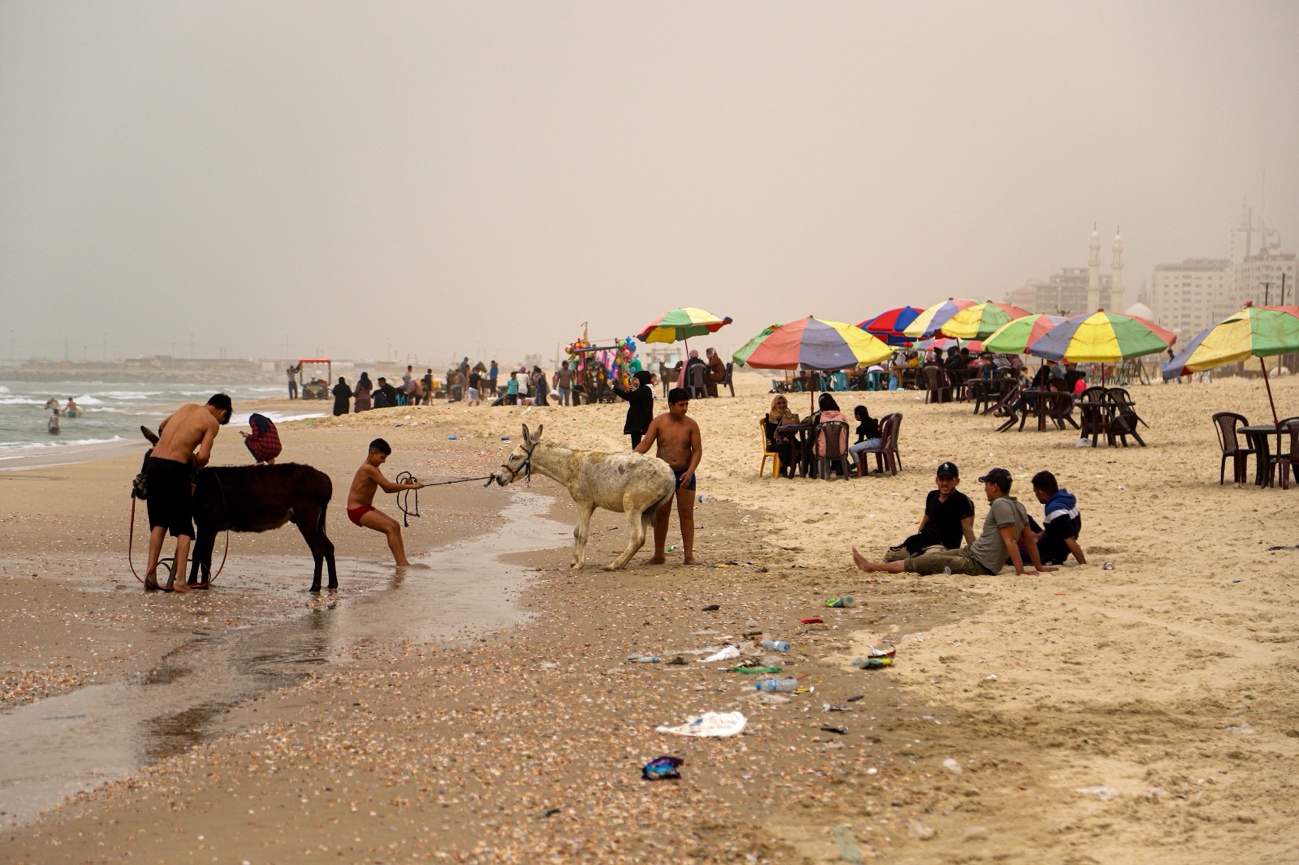
The beach Mohammed visited most often was Sudaniya Beach, located in northern Gaza City. Before the war, the shoreline was lined with small cafés and restaurants during the summer, and children spent entire days playing by the sea. For many families who could not afford to travel, the beach was the closest and most cherished place to relax. Since the outbreak of the war in 2023, however, the sea has taken on a very different meaning. For those forced from their homes, it has become a symbol of displacement and hardship.

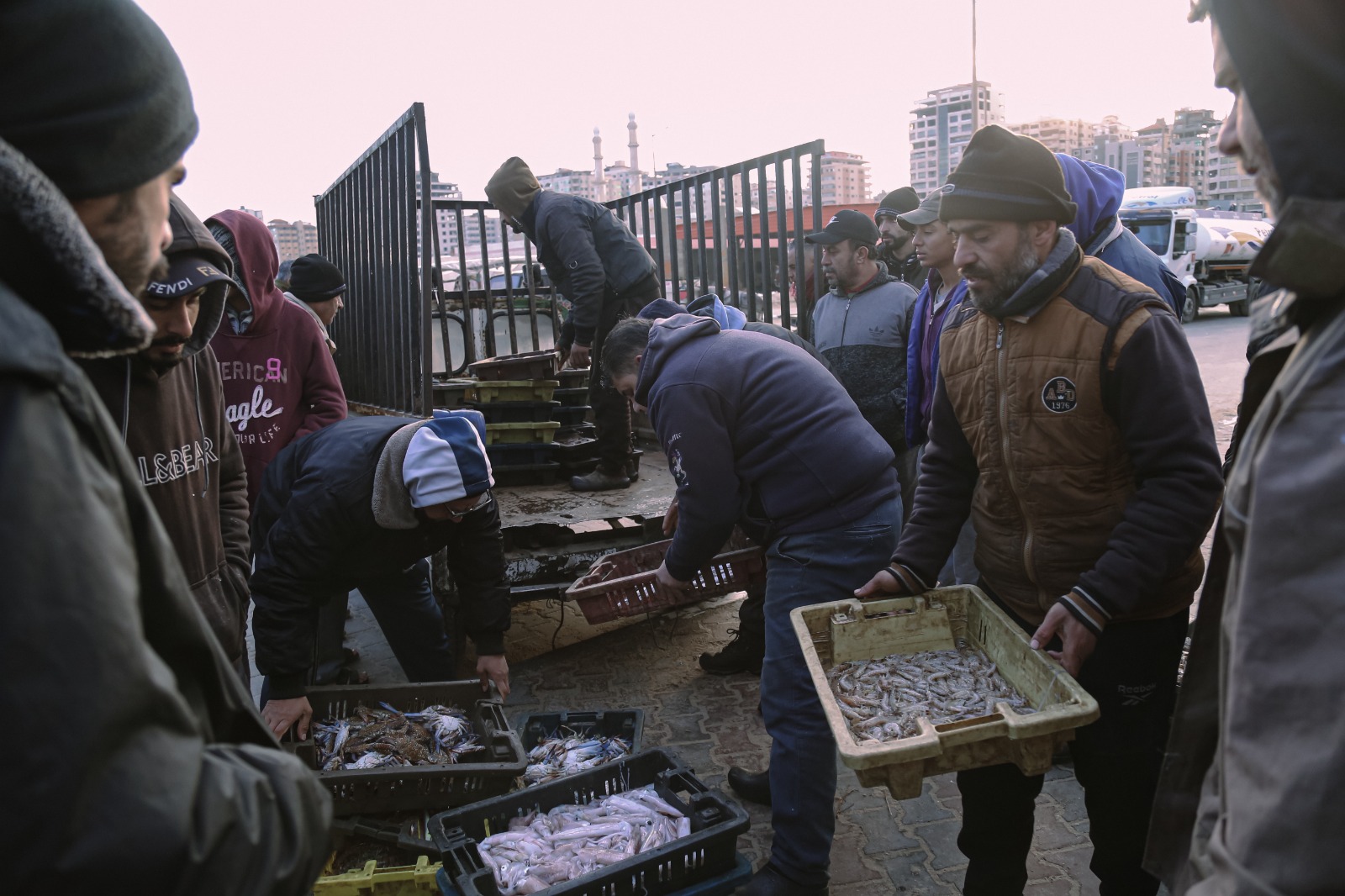
"In my work, the sea is part of everyday life in Gaza. It quietly witnesses moments of joy, loss, and the constant struggle to keep living. Fishermen returning at dawn, children running along the shore, people gazing toward the horizon—I never treat the sea as a mere backdrop. In my photographs, it becomes a character in its own right, reflecting both human vulnerability and resilience."
Changed Seascape
What kind of relationship has Mohammed had with the sea throughout his life? We asked him to reflect on those memories.
"Since I was a child, my family went to the sea almost every week. I remember playing cards with my friends on the beach until late at night. As I looked out across the water, I would wonder, 'What's on the other side of the sea?' and 'If I got on a boat, could I make it there?' Those moments were simply part of my everyday life."
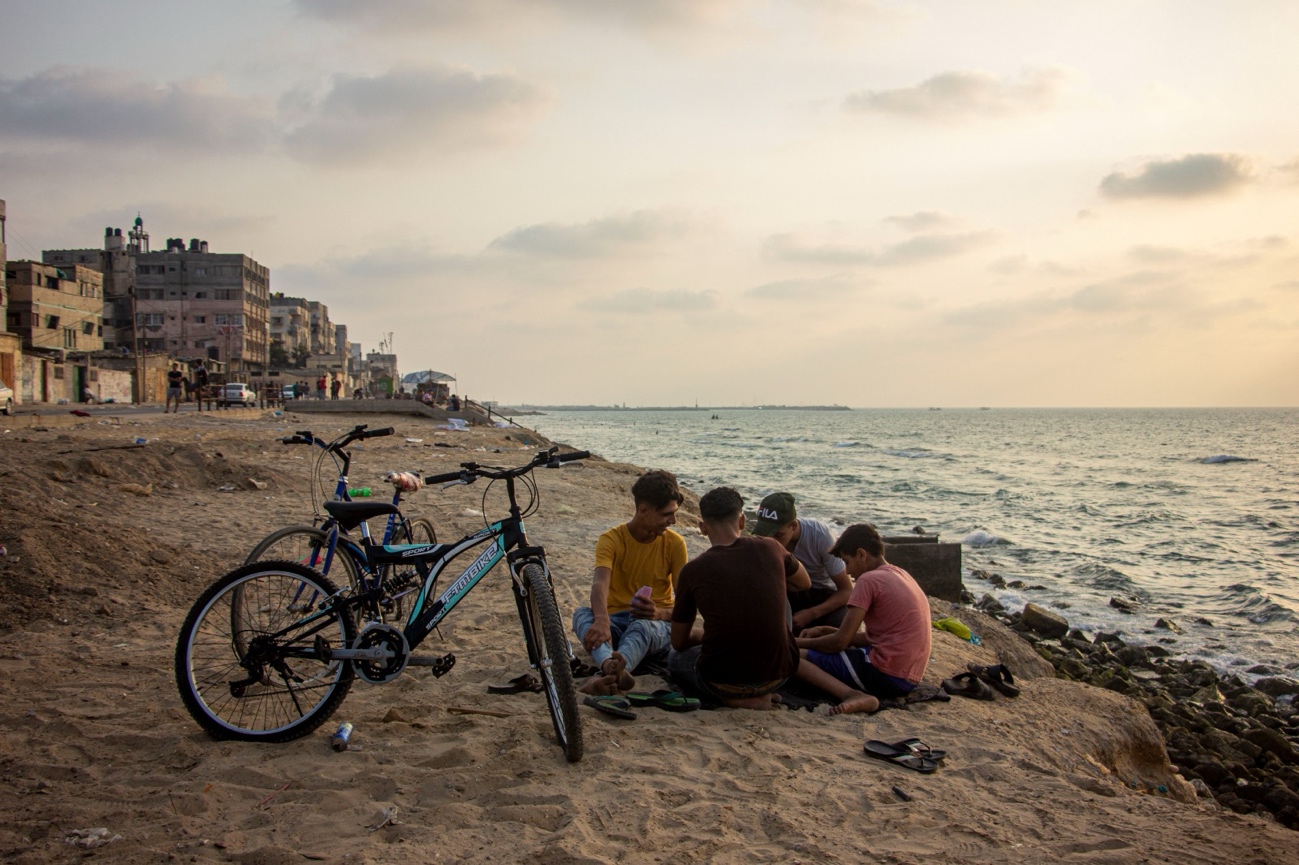
"Now, whenever I think about my family or the sea, I find myself crying alone in the corner of my room. I have lost around 400 family members and loved ones. My paternal uncle and his entire family, my paternal aunt, my maternal aunt, many of my cousins—and my closest friend and fellow photographer, Abod Al Qassass. We often went to the sea together and photographed the sunset near Sudaniya Beach. The beautiful sea I knew, and so many of the people I loved, are now gone. Before the war, the sea was a place of peace and happiness for me. Neither that sea nor the person I was then exists anymore."
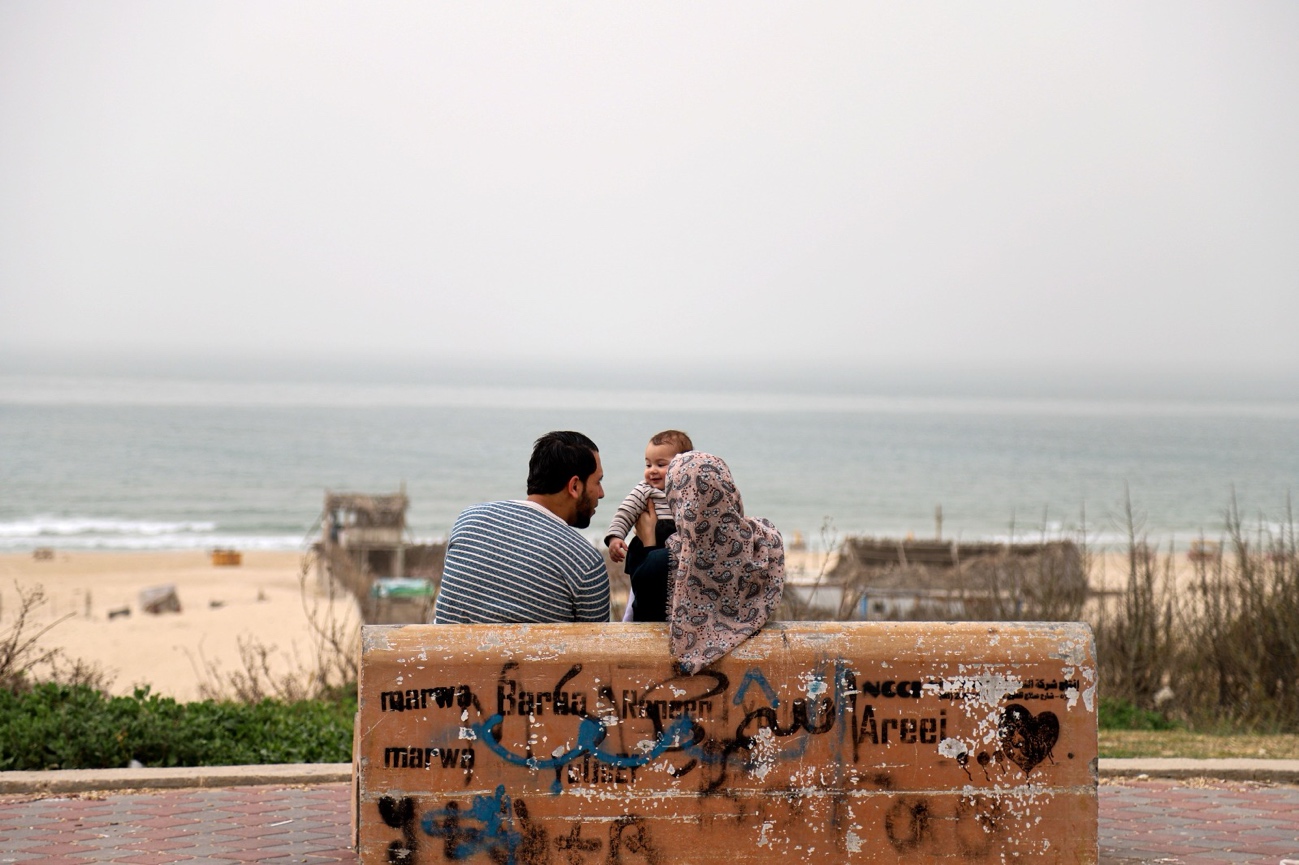
In Gaza, where the population density is extremely high and public spaces where people can freely gather are limited, the sea has long been at the heart of everyday life—a rare place to breathe, rest, and find a moment of peace. Today, however, the familiar scenes of families swimming and children playing have disappeared. People are instead preoccupied with finding food, clean water, and safe shelter. Even so, Mohammed says, people continue to return to the sea.
"Whenever circumstances allow, families sit by the shore, trying to find even a brief moment of relief from the weight of daily life. Fishing, which has supported thousands of families, has also been devastated by restrictions and war. Yet fishermen continue to work, even with torn fishing nets. For them, the sea remains irreplaceable. It sustains their connection to home and their determination to survive."
Looking Longer
Now that the landscape of the sea has changed so dramatically, how does Mohammed see the sea today? We asked him once again what the sea means to him.
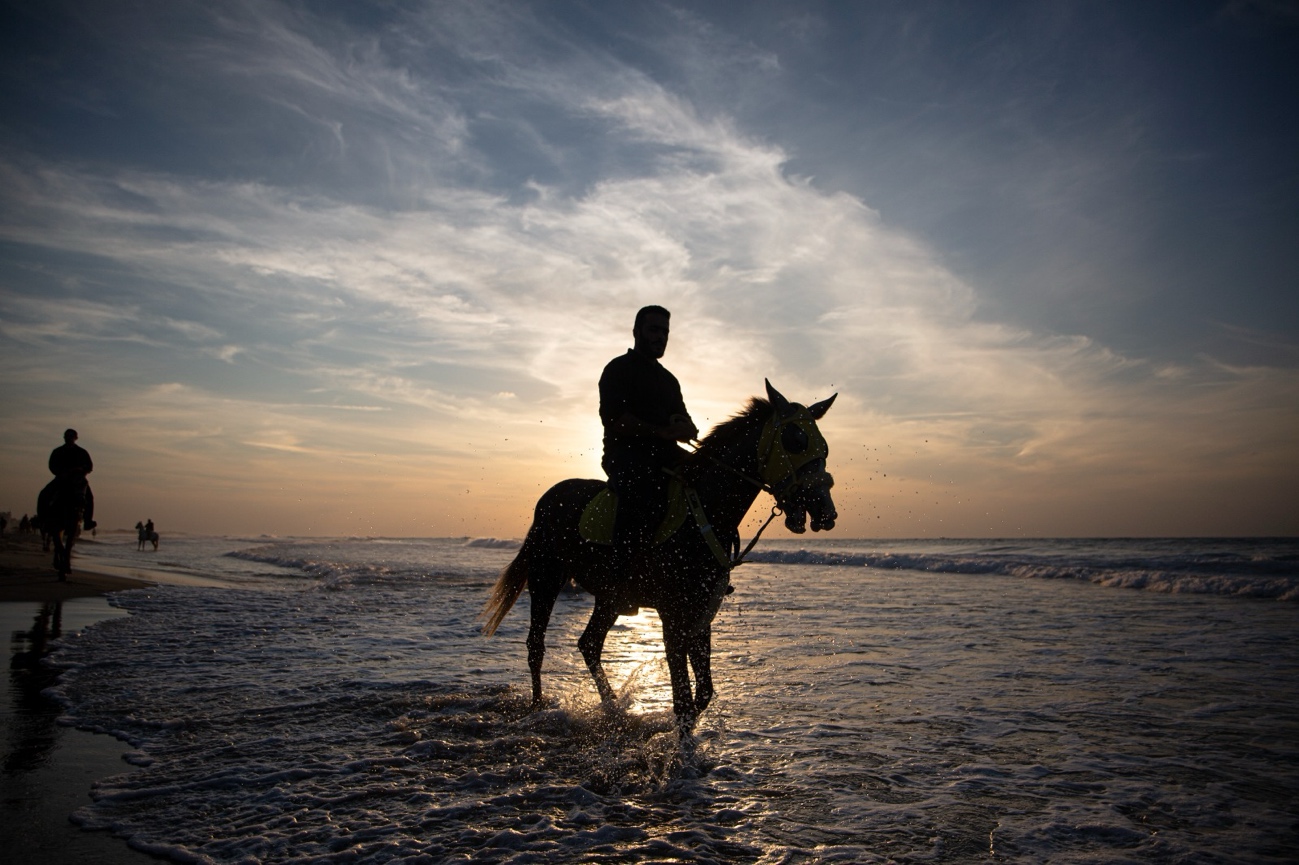
"To me, the sea embodies a profound contradiction. It is a symbol of freedom, vastness, and life, yet it also reminds us of the borders and restrictions we live with. Even so, for many people, the sea remains a symbol of hope and the future. It is a window to a larger world beyond the limitations imposed on us.
The sea may not be able to change reality itself, but it can change the way we see reality. No matter how difficult the circumstances, it reminds me that people have the strength to keep moving forward."

At the end of the interview, we asked Mohammed if he had a message for those reading this article.
"Please don't see these photographs simply as stories from a distant place. I hope you will receive them as a quiet invitation to look beyond geography, language, and circumstance, and to recognize the human experiences we all share.
Behind every place are individual lives. There are memories, everyday moments, dreams, and people striving to live with dignity.
If there is one thing I hope you take away from my work, it is this: look a little longer. Don't just glance—really see. Don't see only the events; see the people living through them. Look beyond the surface and notice the stories held within the smallest details.
We live in different places and have lived through different experiences. Yet I believe we all share the same desire: to find a place where we feel safe, to hold on to our memories, and to live with dignity."
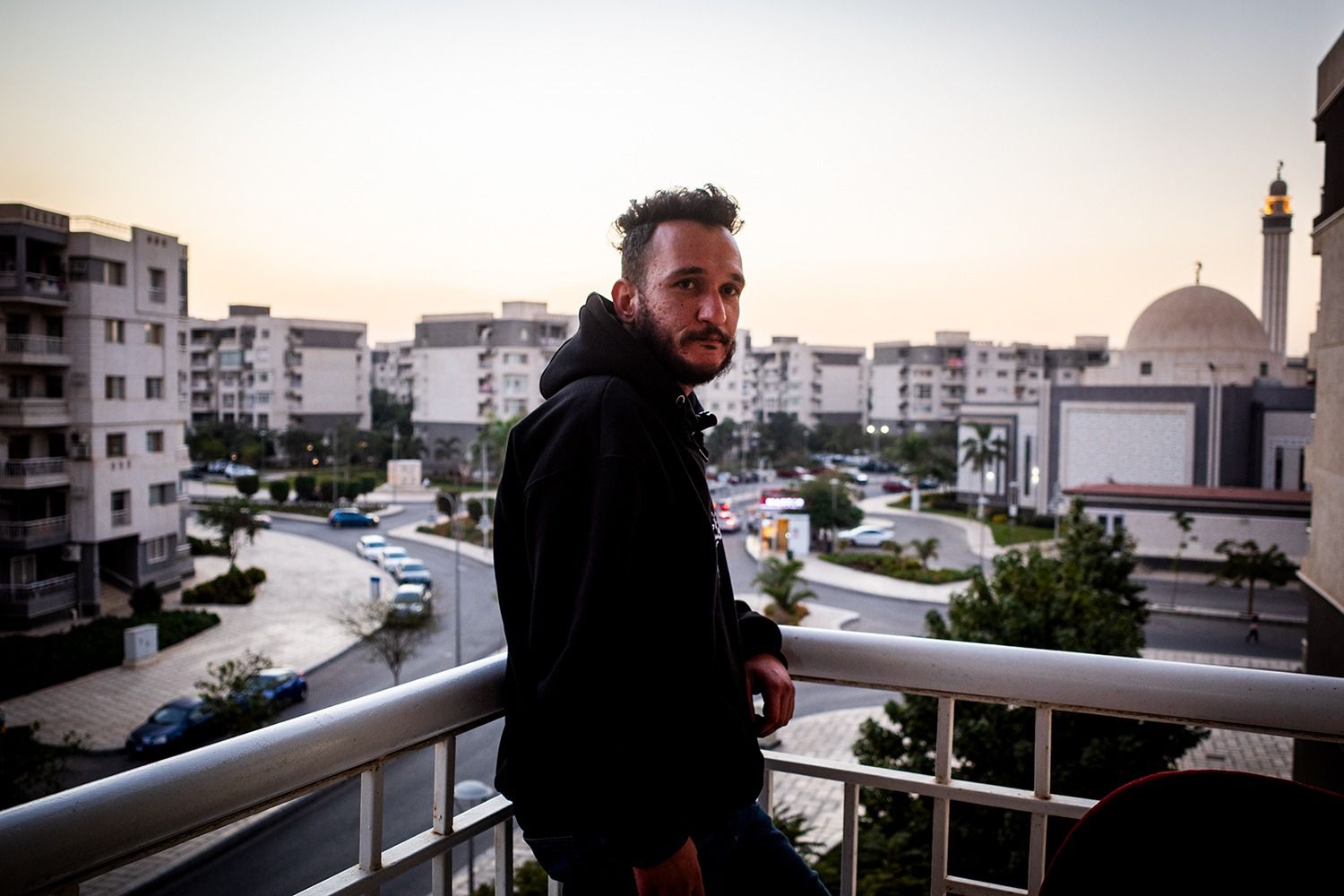
Mohammed Hesham Salem
Born in Tobruk, Libya, in 1996, he returned later that year with his family to Gaza, Palestine, where his father was working as a teacher, and grew up there. He is one of the founding members of the independent digital platform "Untold Palestine", which shares stories of Palestinian life. Collaborating with various organizations and photo agencies, he tells stories through photography and video. Now based in Cairo, Egypt, he contributes to media outlets including the English edition of Al Jazeera and the Japanese media platform "Dialogue for People", while continuing to share the realities of Gaza with the world through his Instagram account.
IG: mhmad_sa
Text ・Realization: Ellie Lee Howlett (3710Lab)