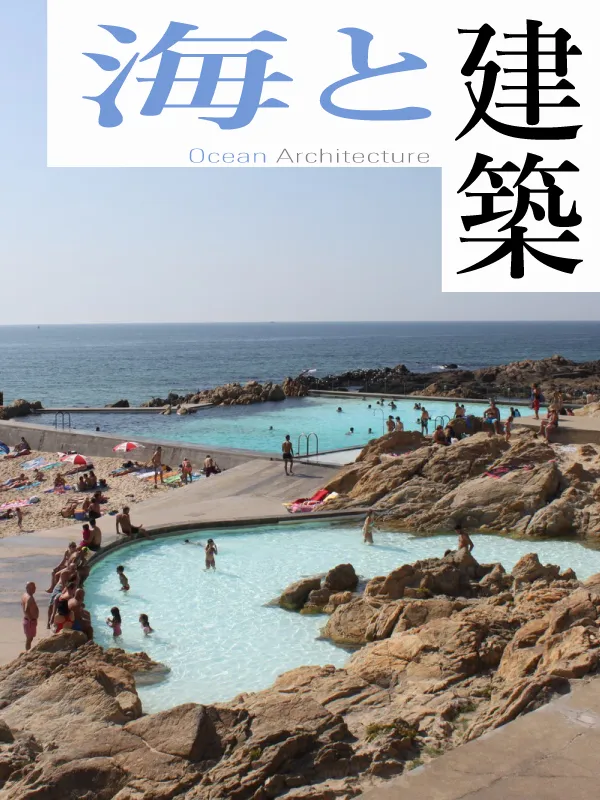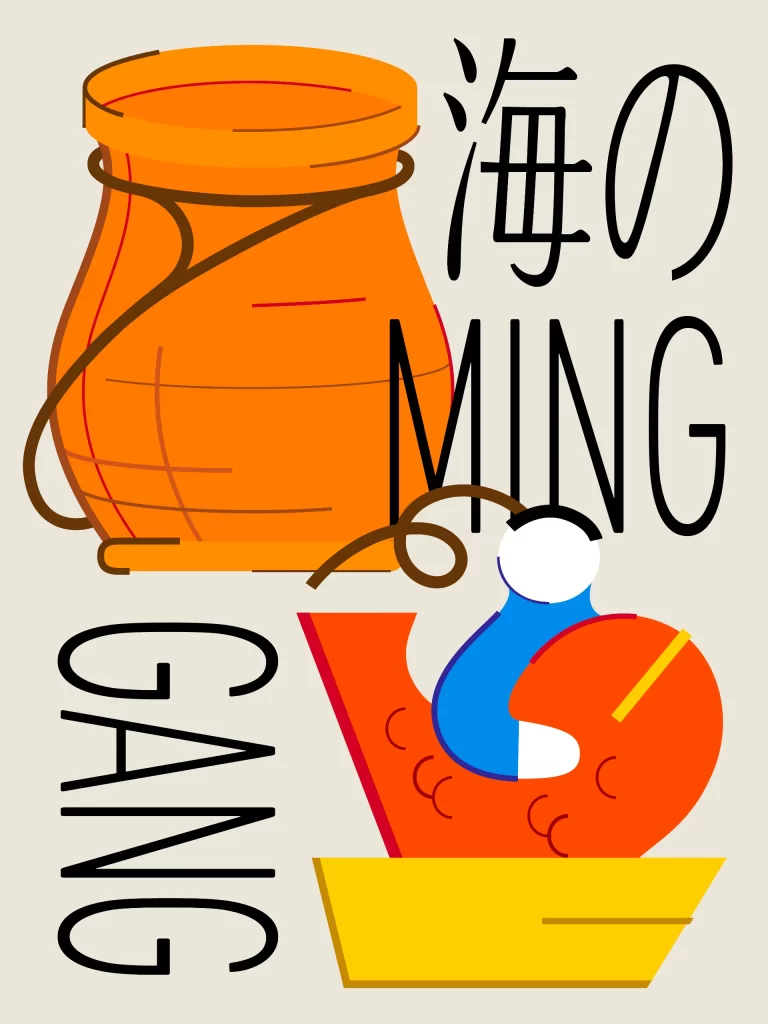
This exhibition explores the Ino (lagoon) through the perspective of photographer Naoshi Tsuda, examining its relationship with the sea and re-examining its meaning.
The sea and
empty
間
White waves beyond the horizon
White light at the edge of the sky
It is being released
The sun sinks into the depths of the western sea.
The new moon will not show itself.
Standing on the tidal flats of the waves
A figure in the darkness
Ino has been
Where the women were
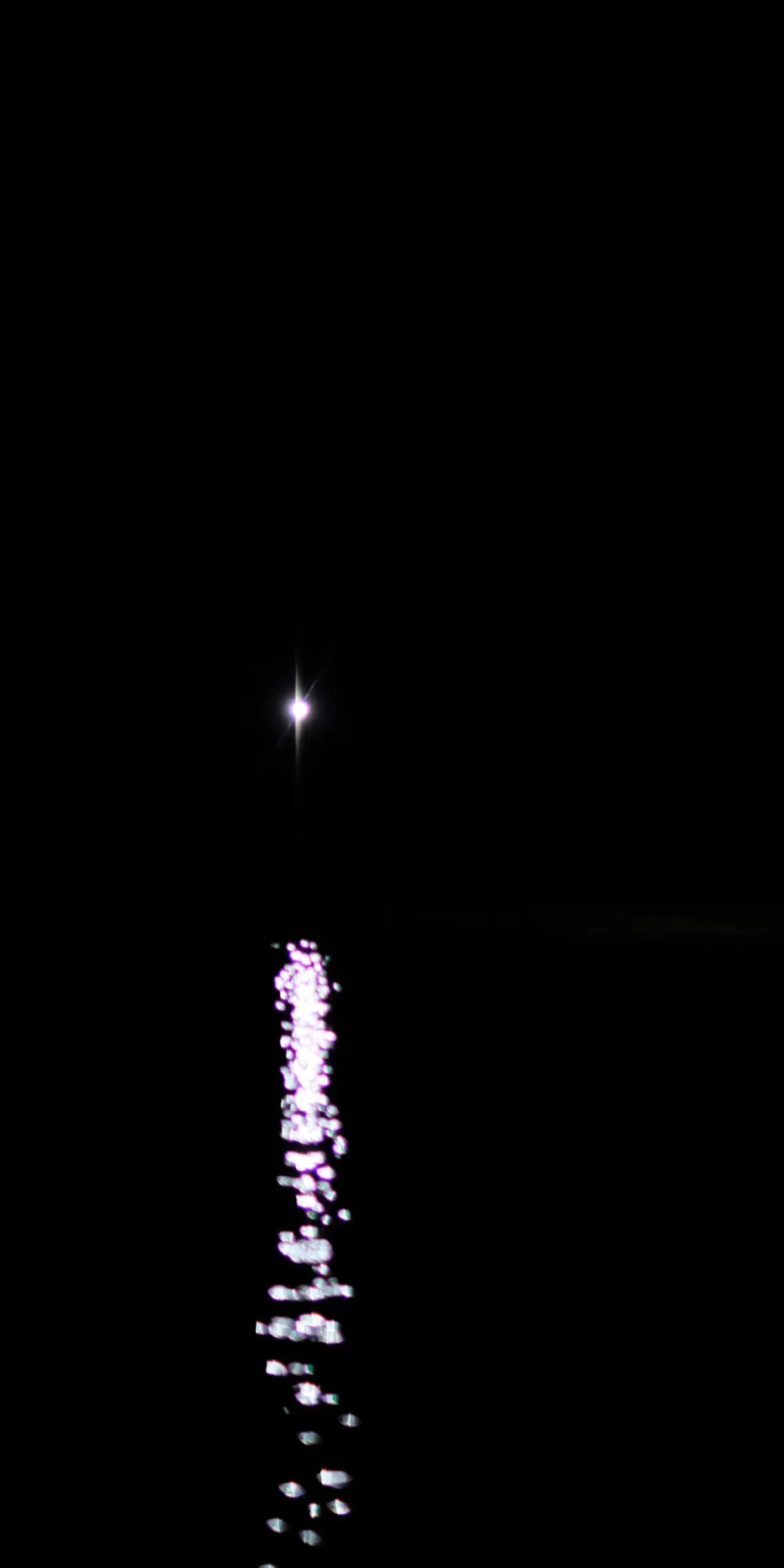

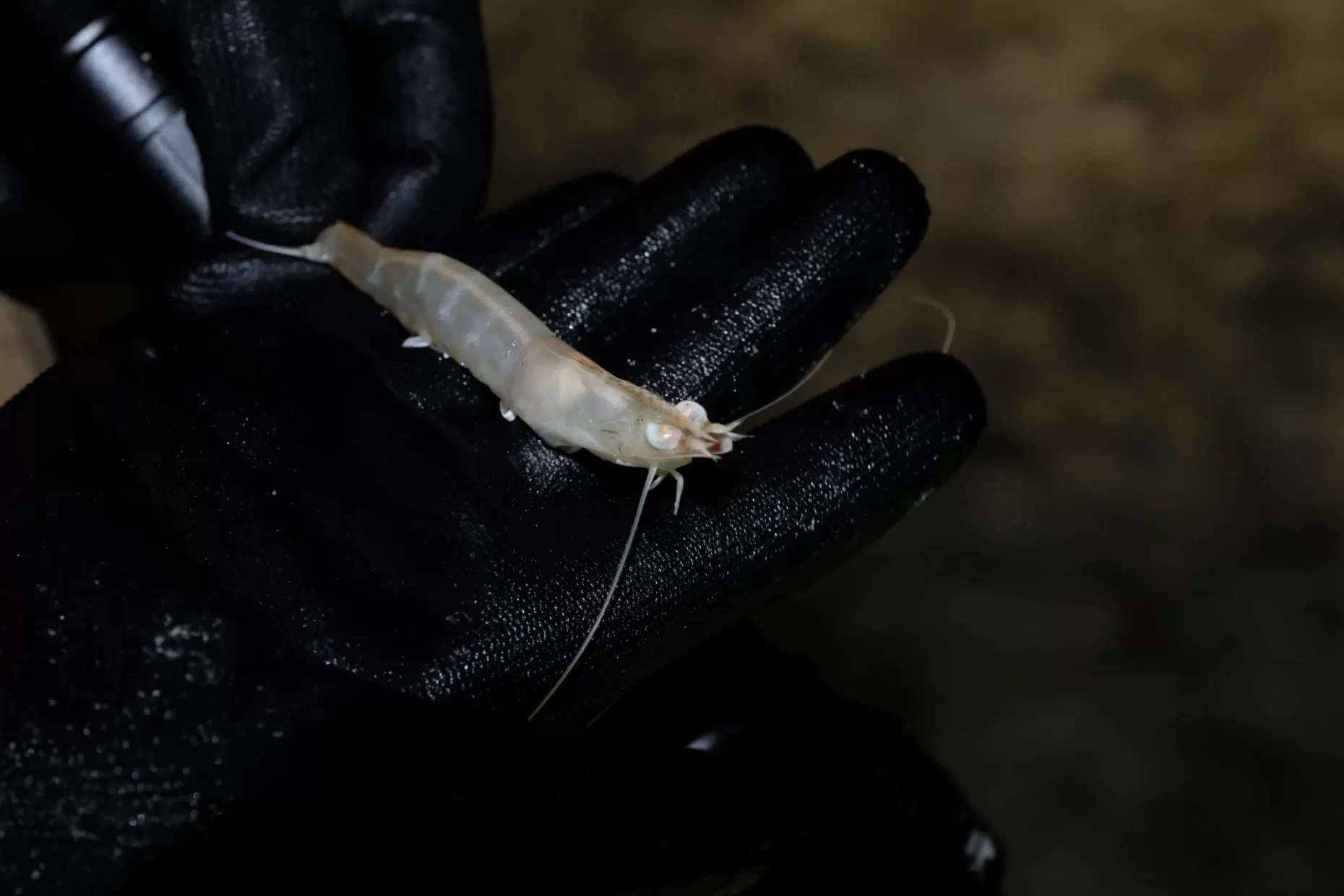
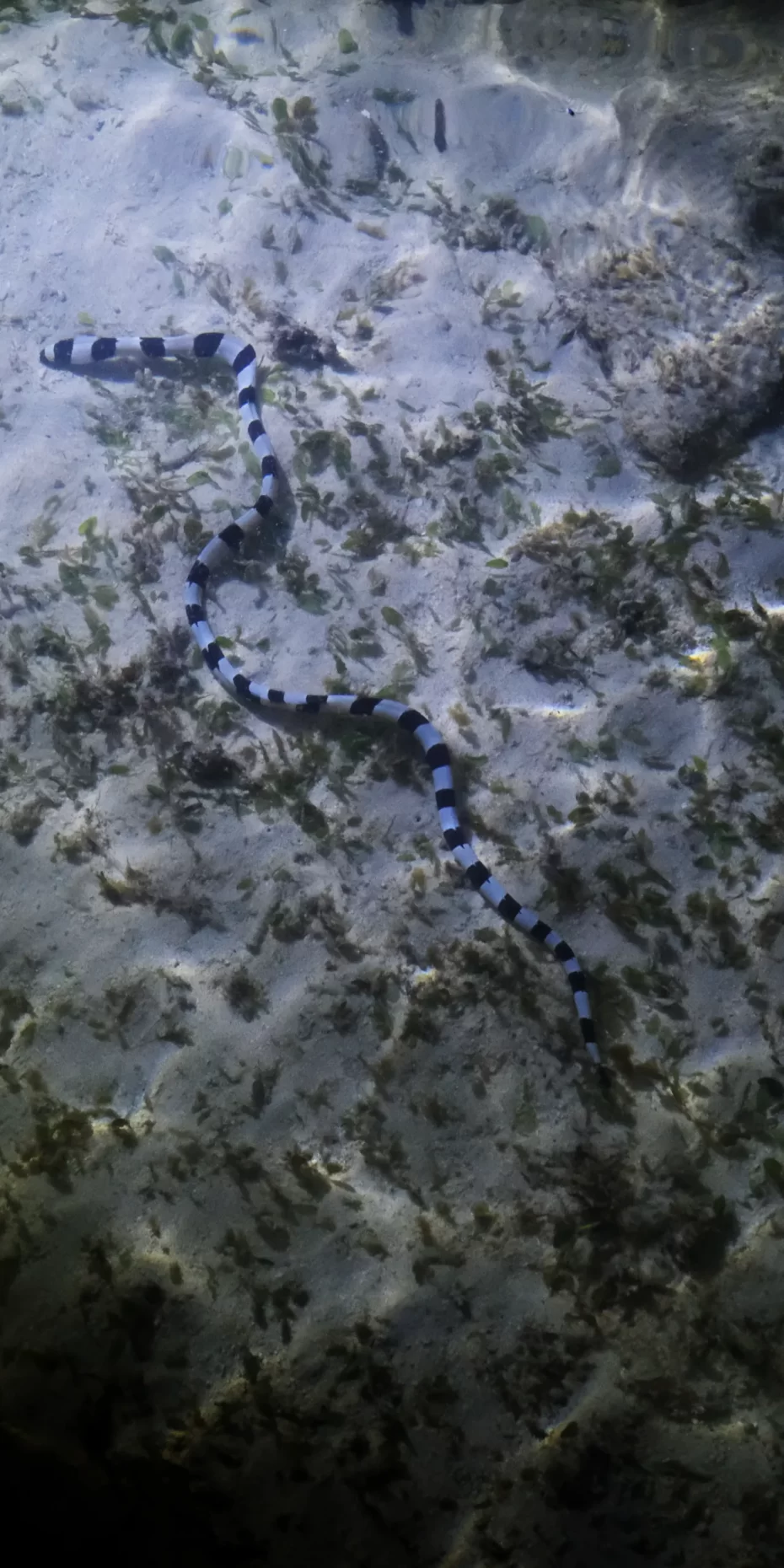
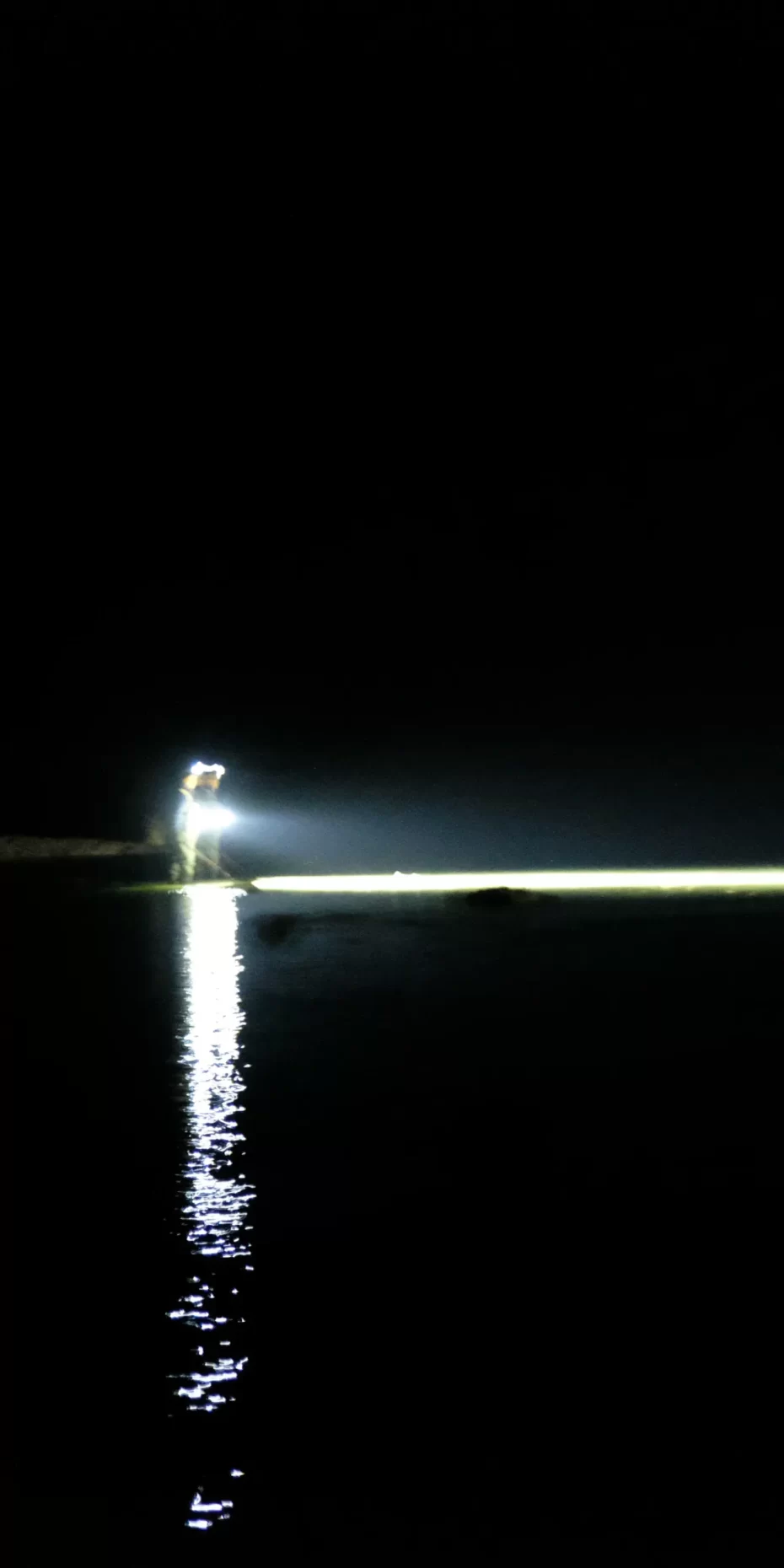

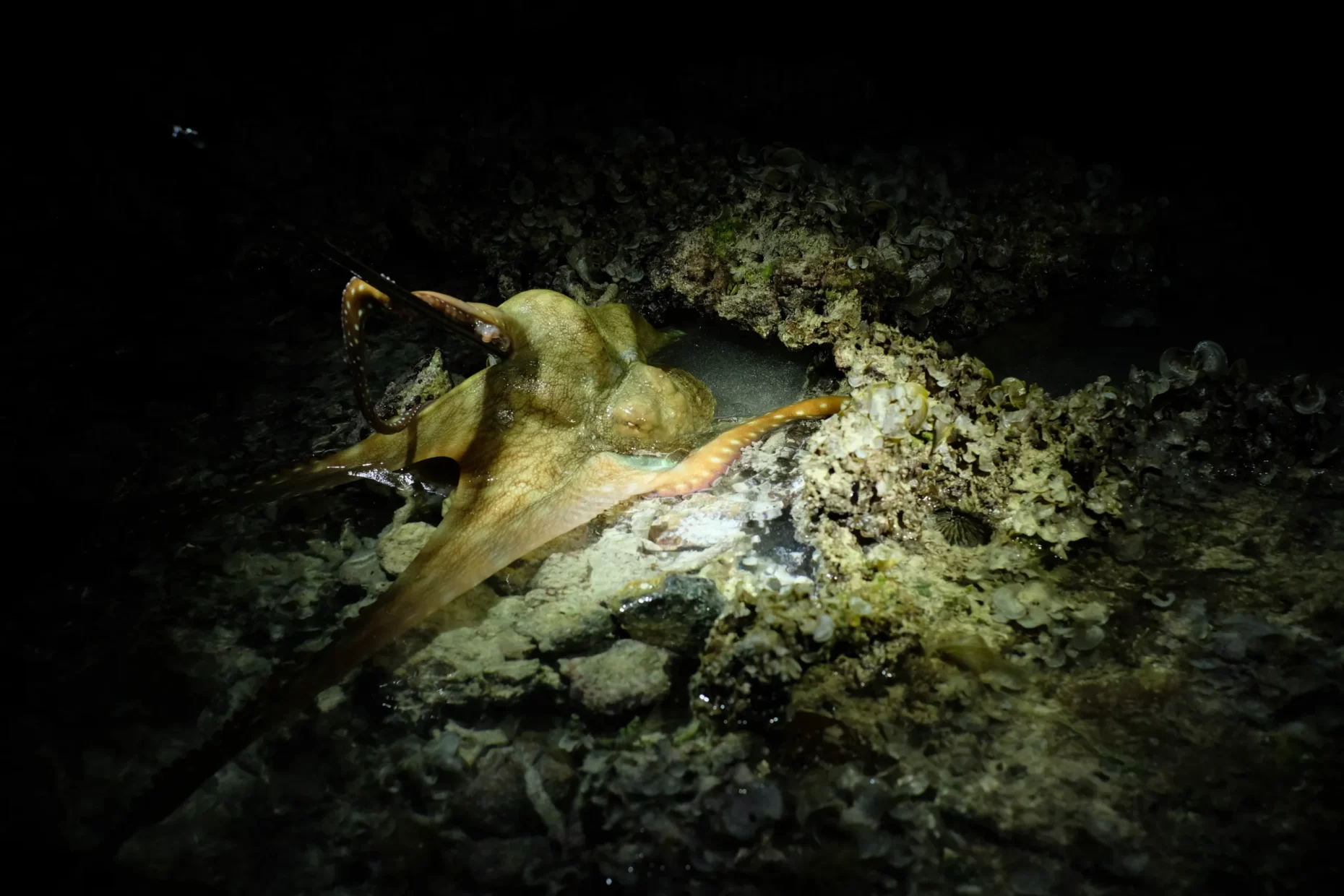
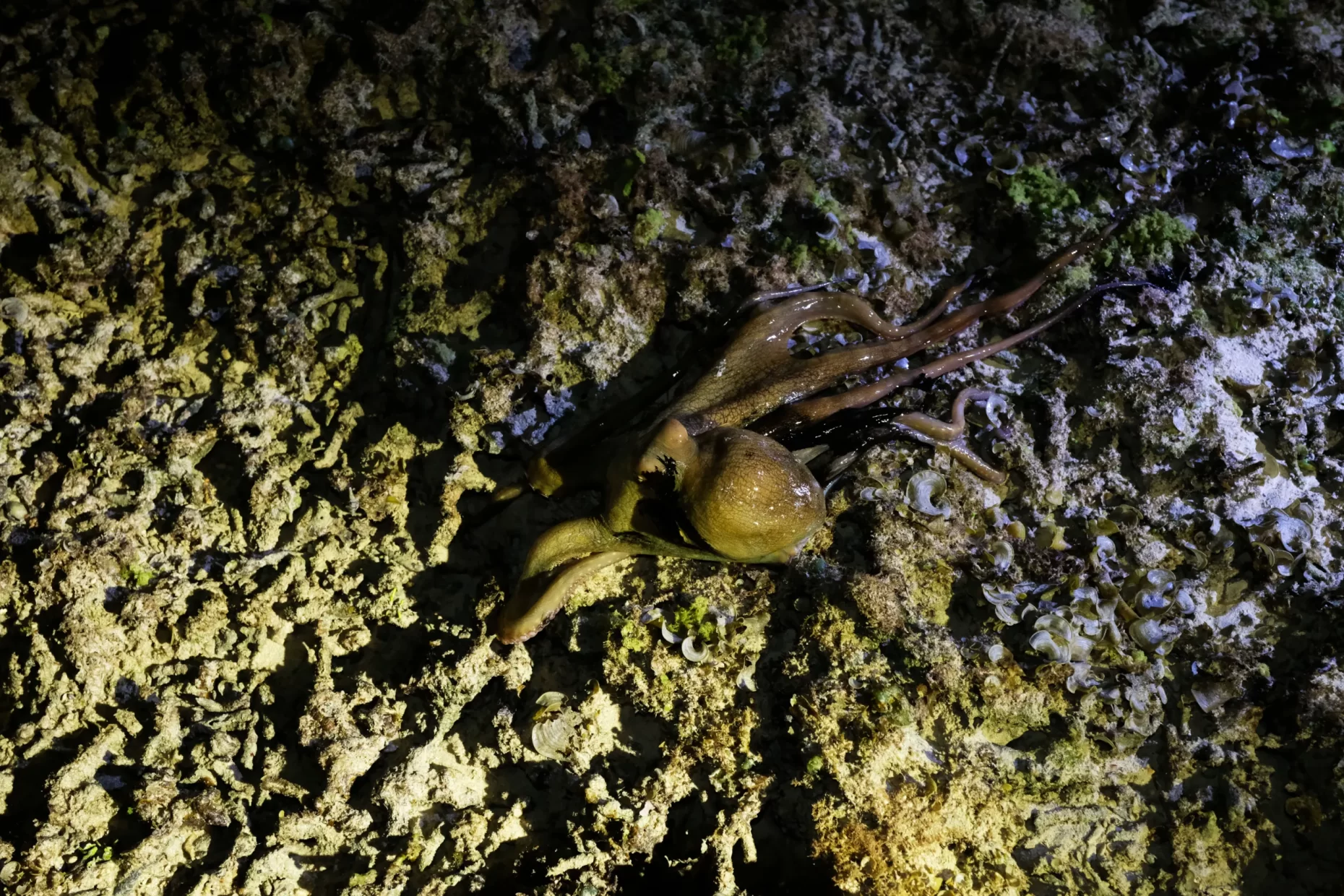
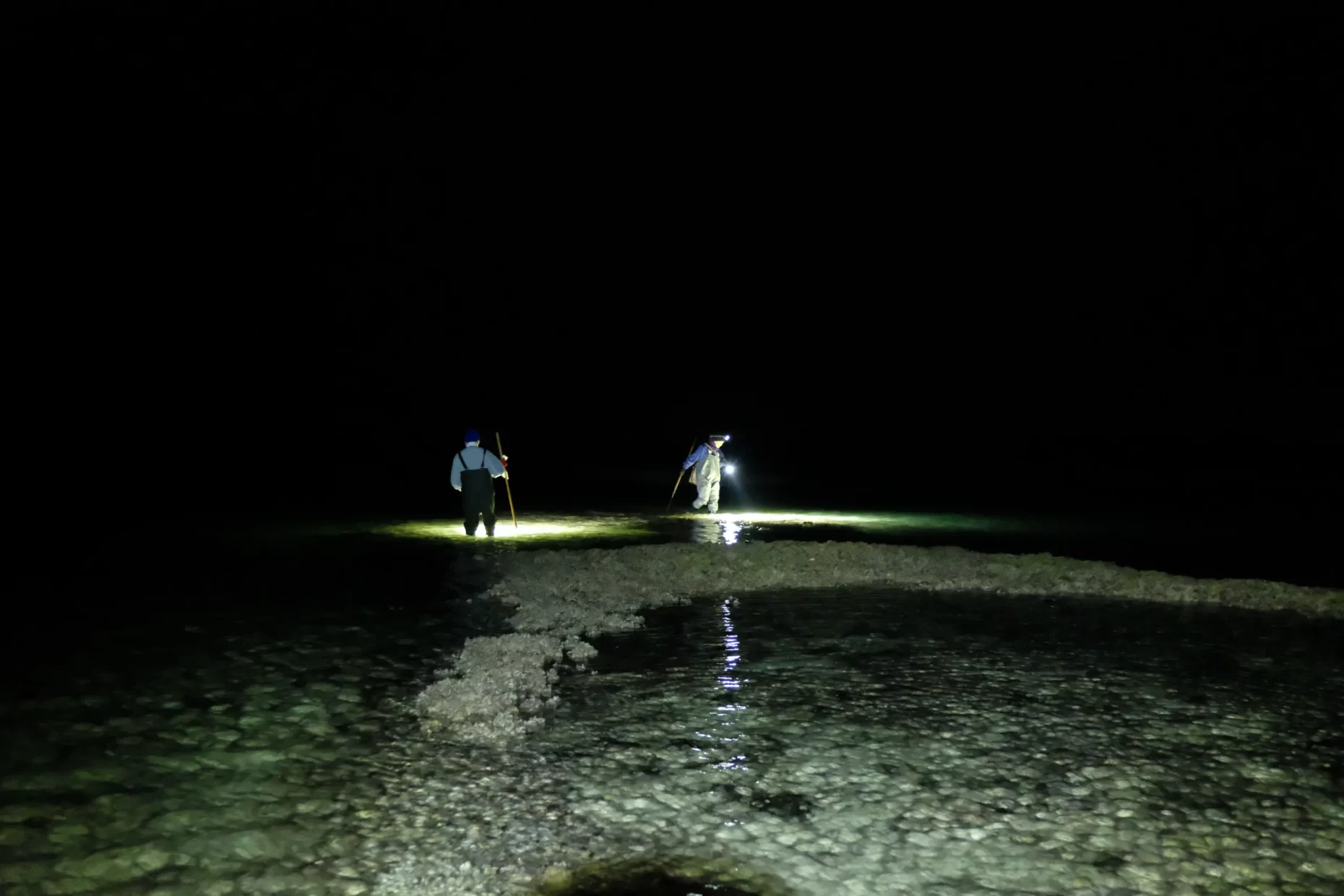
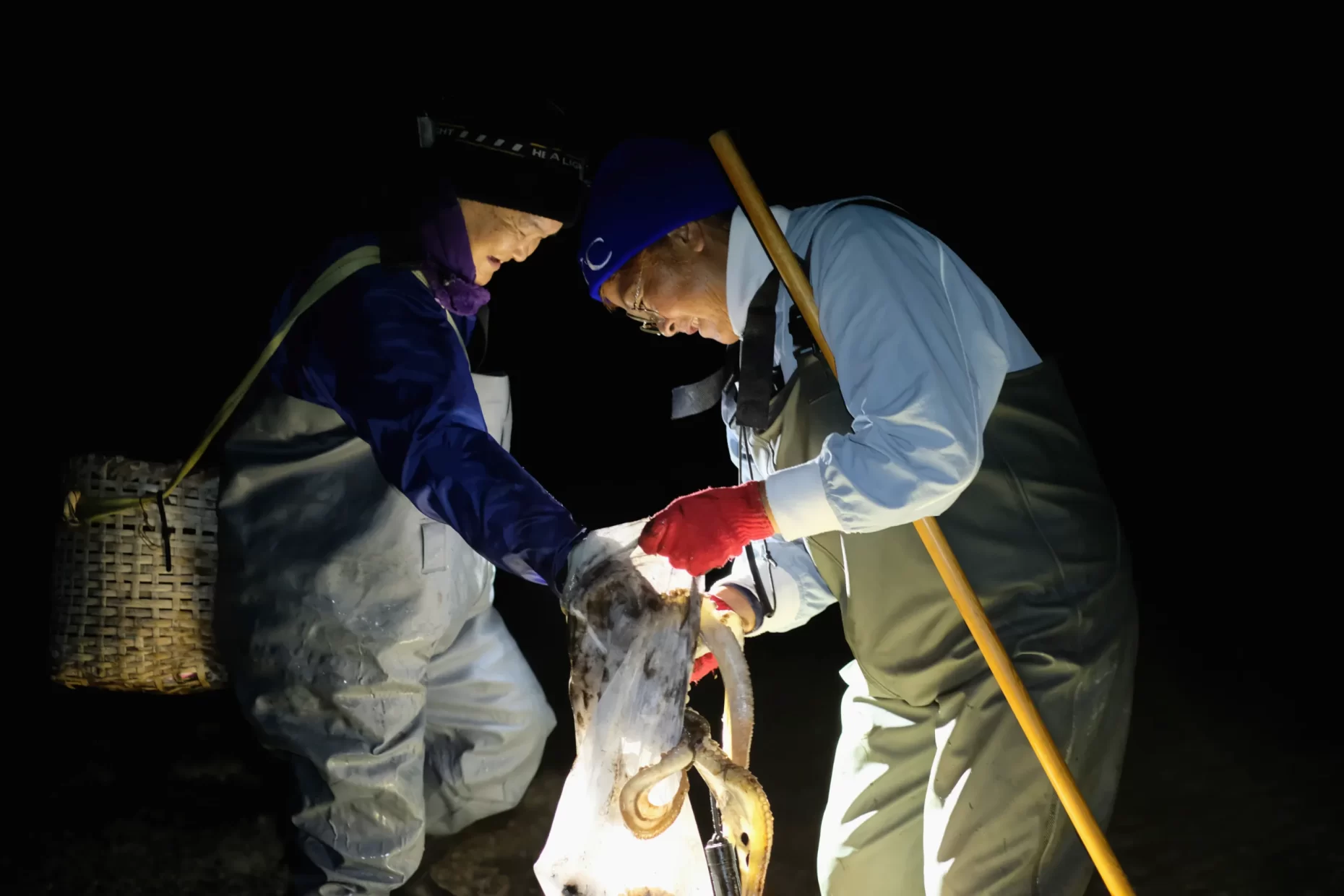
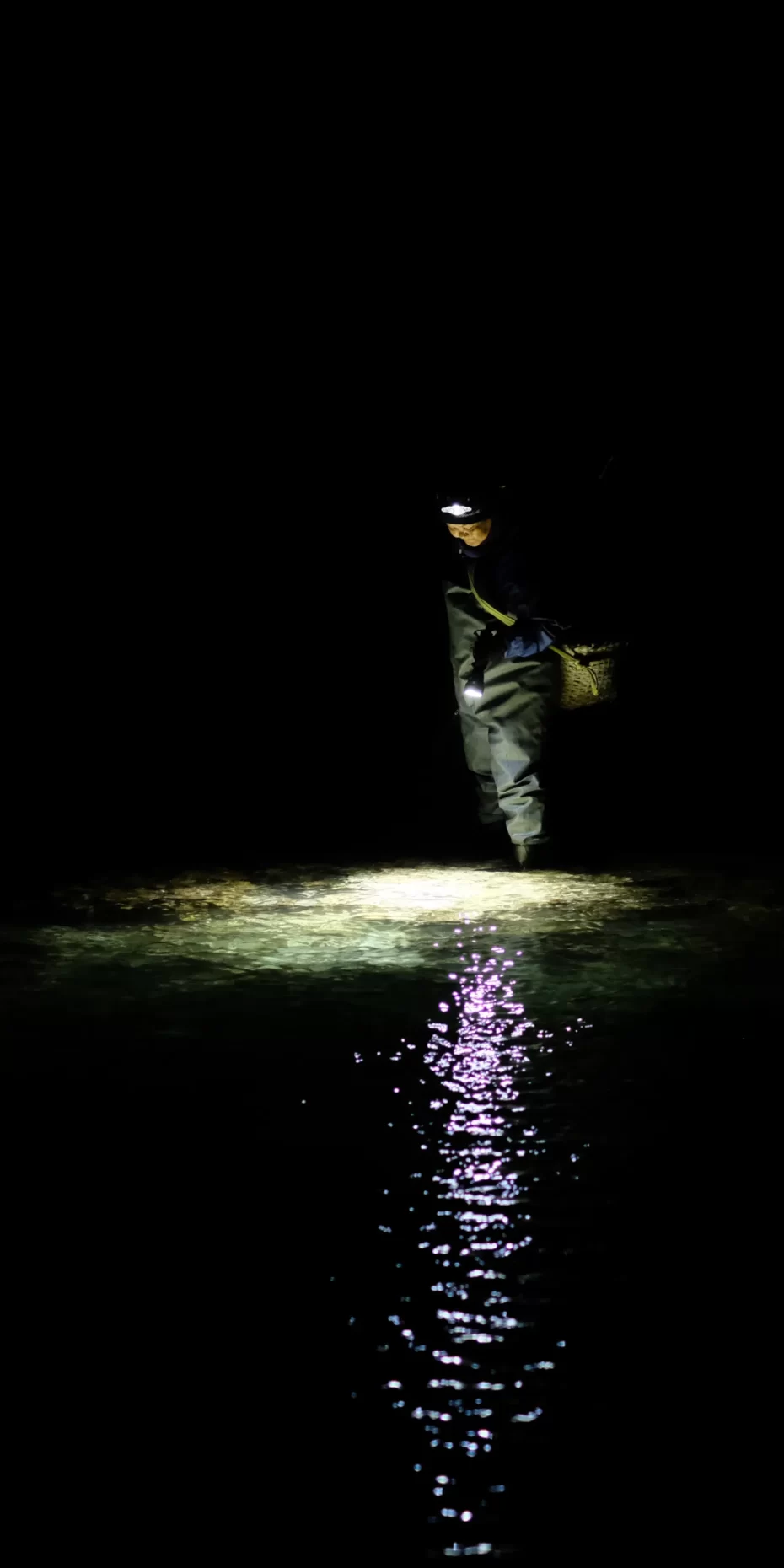
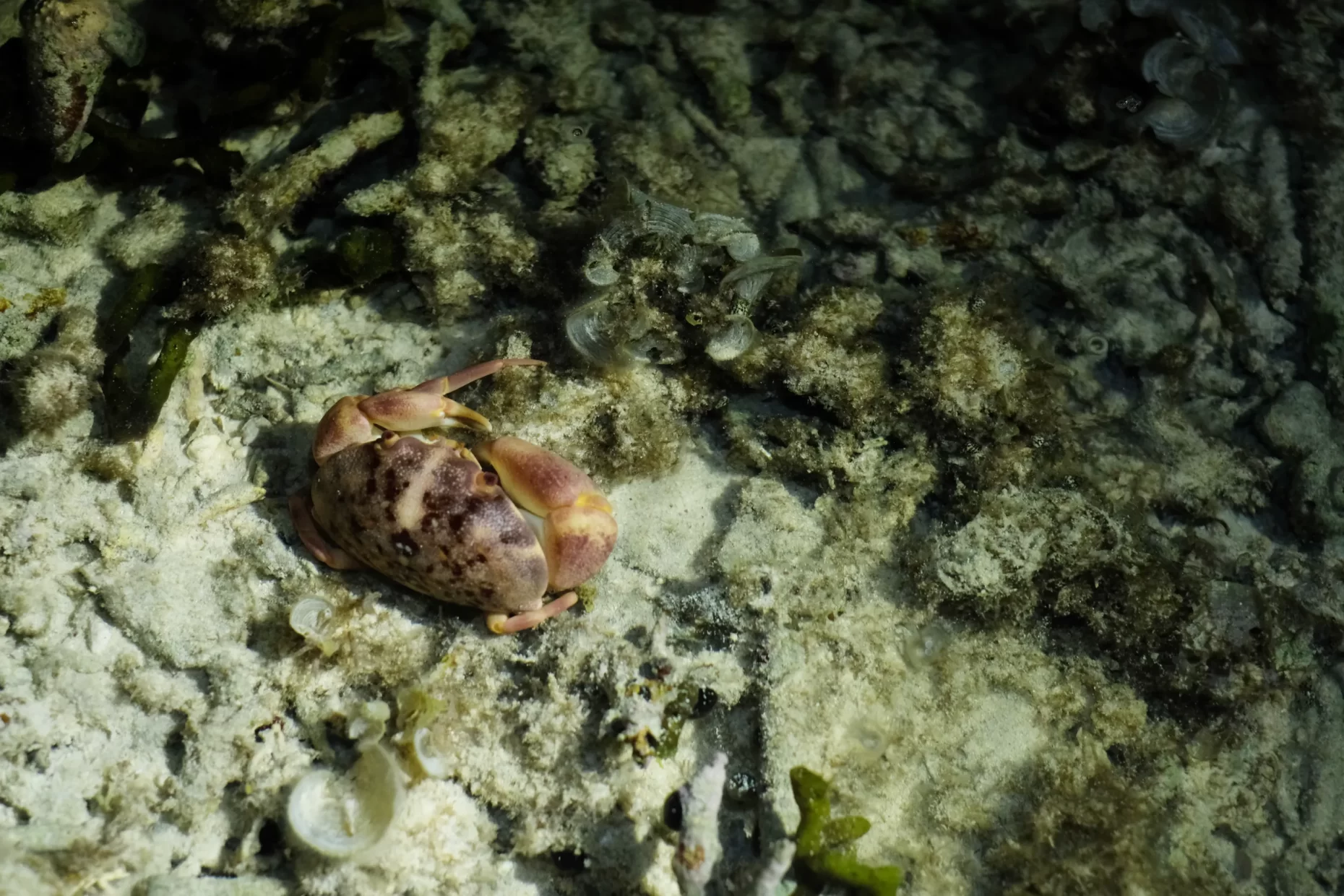
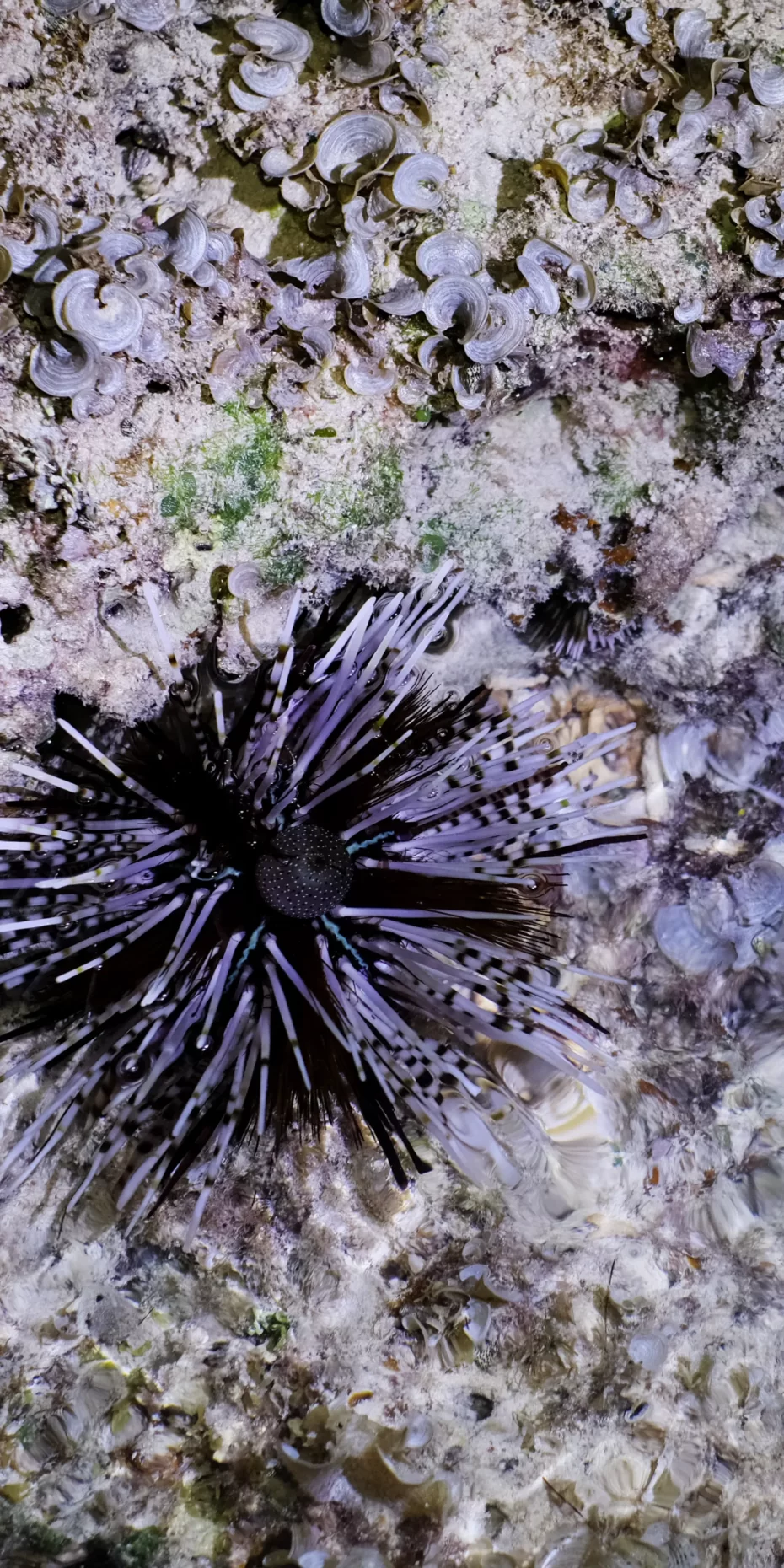
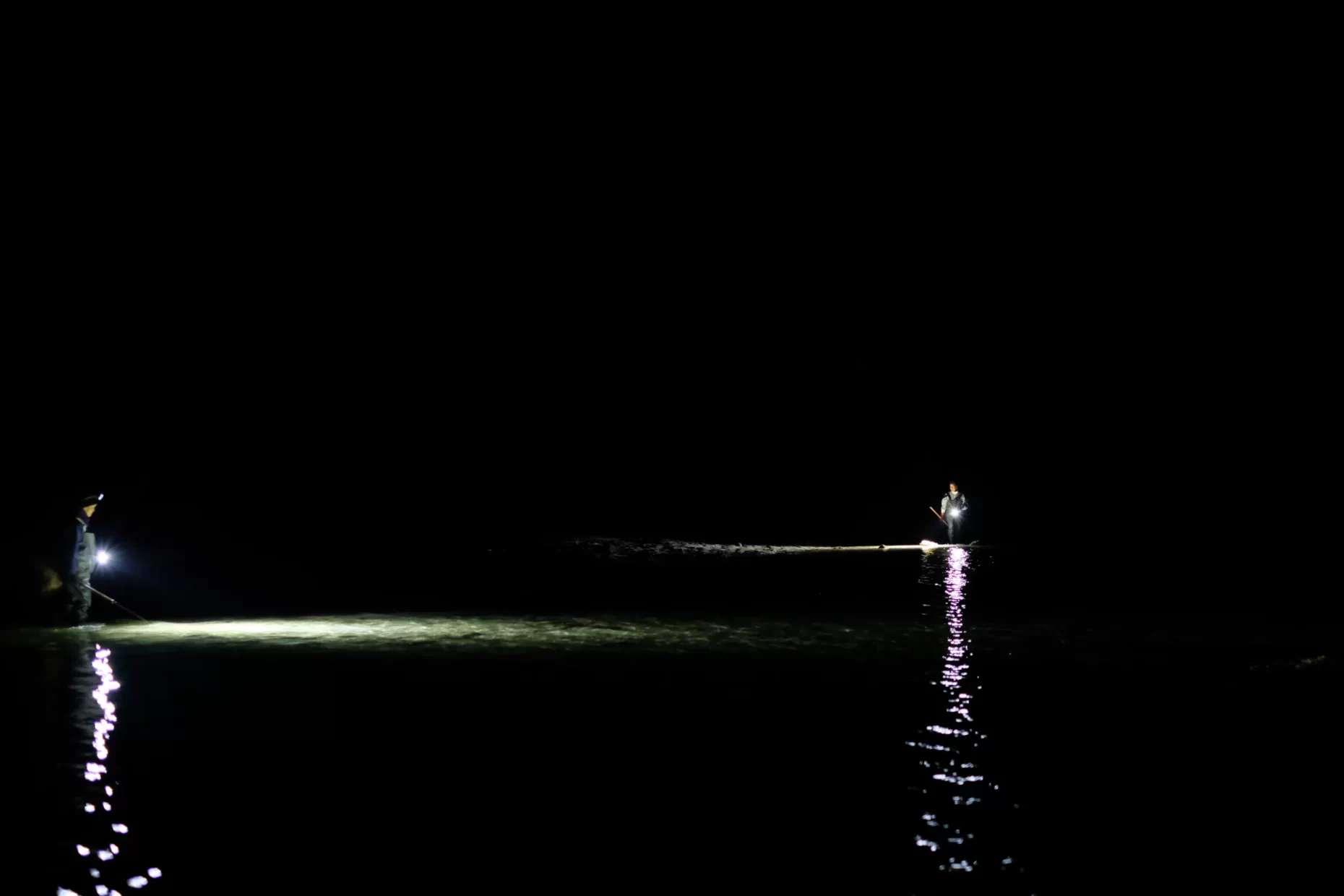
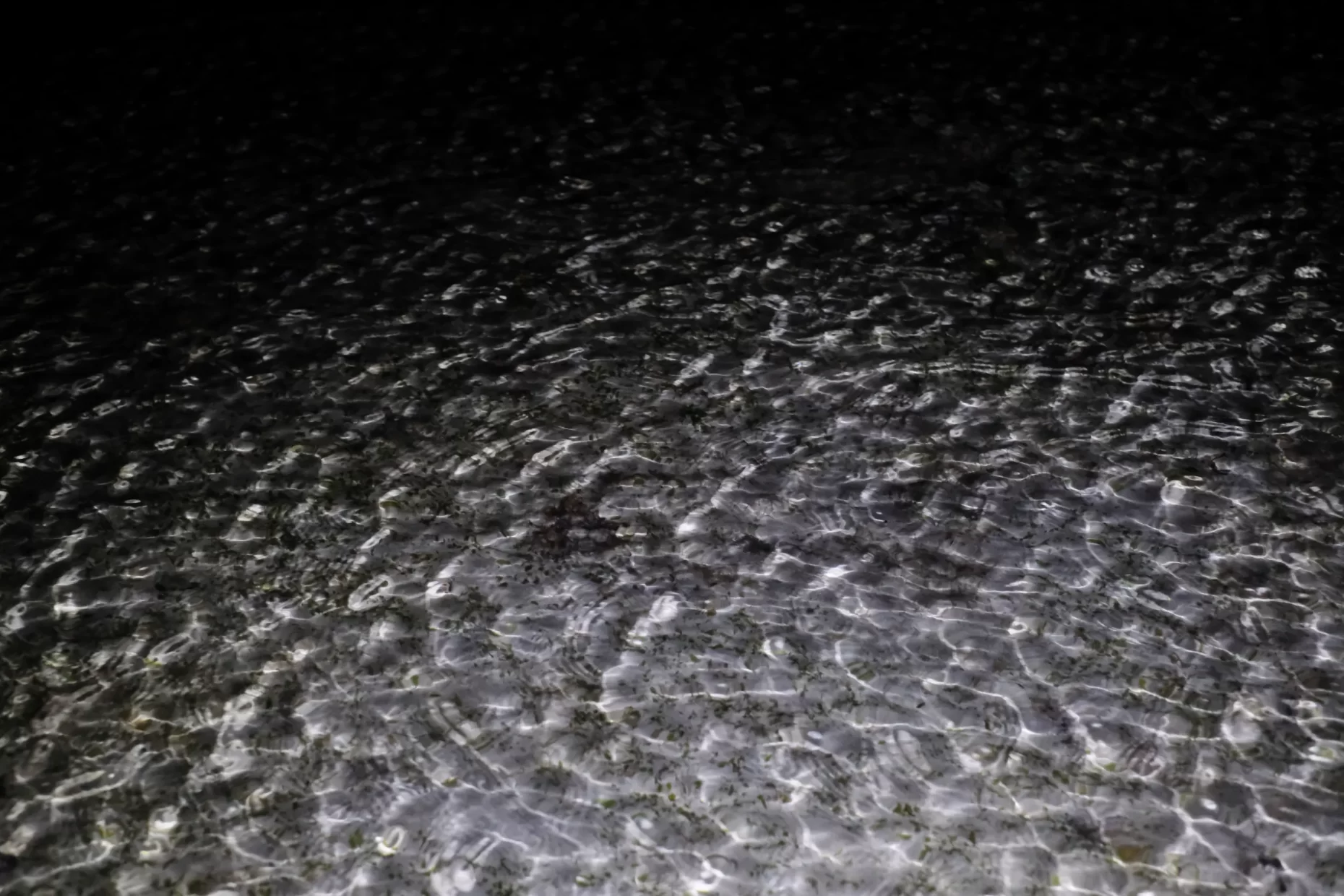
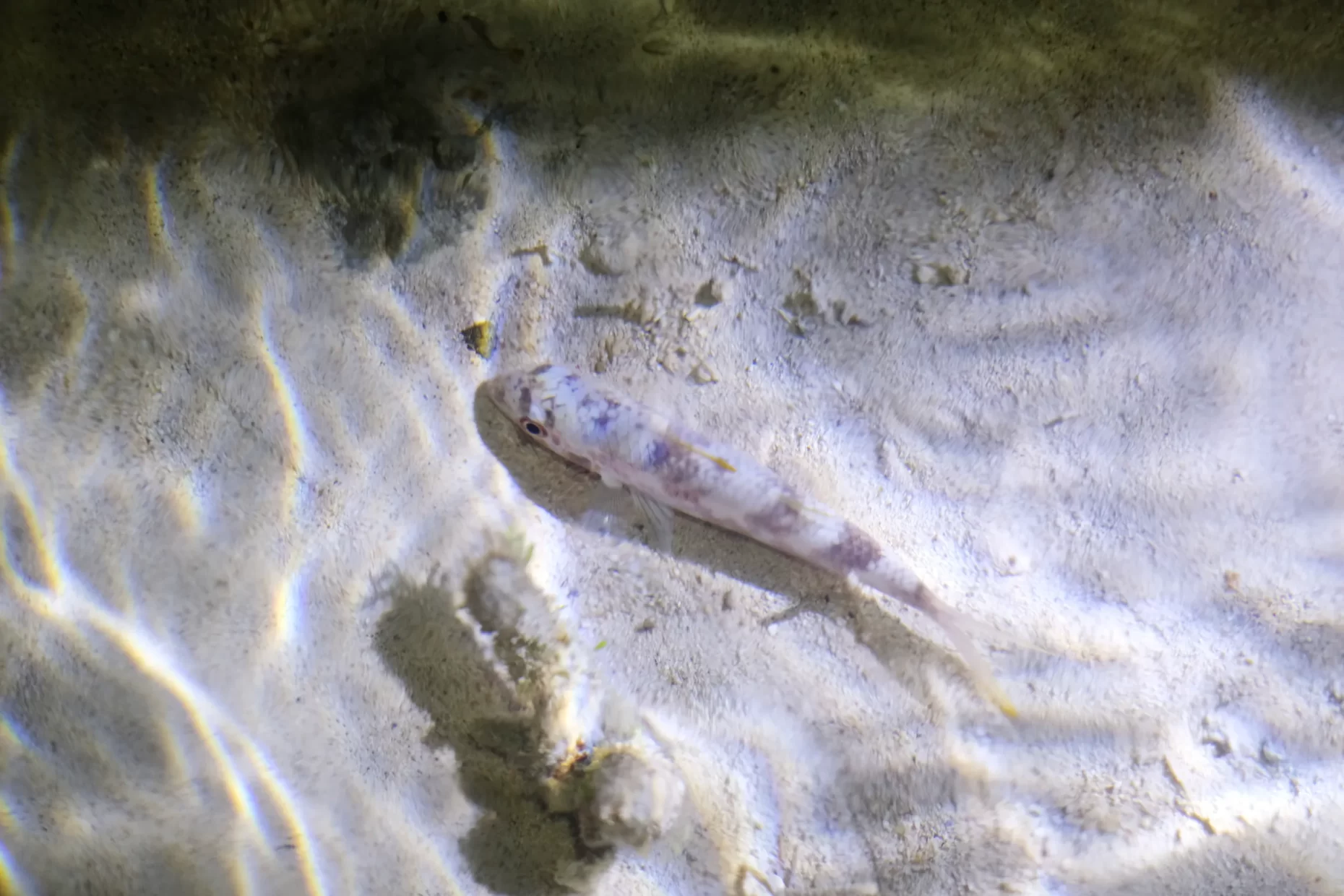

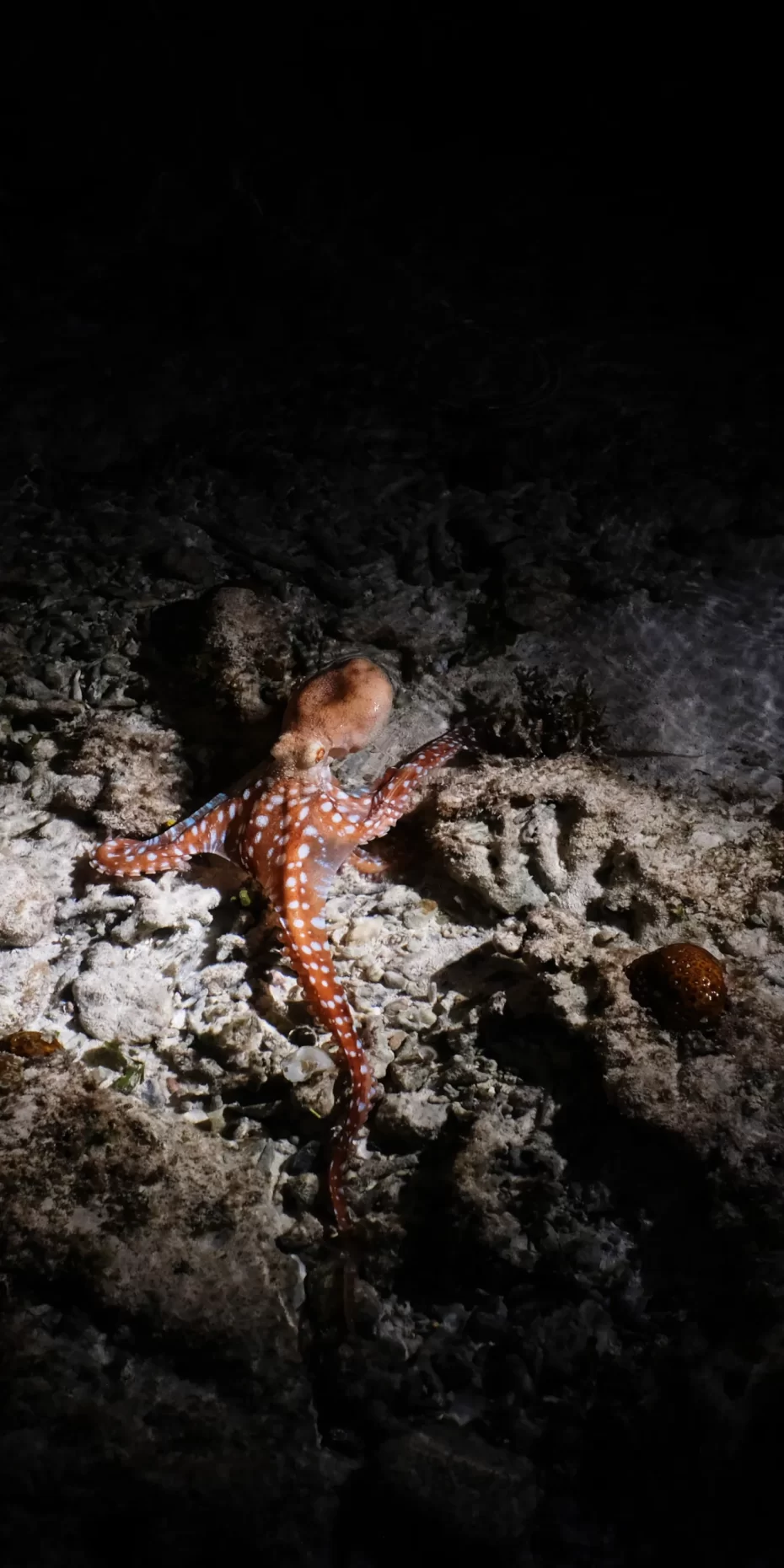
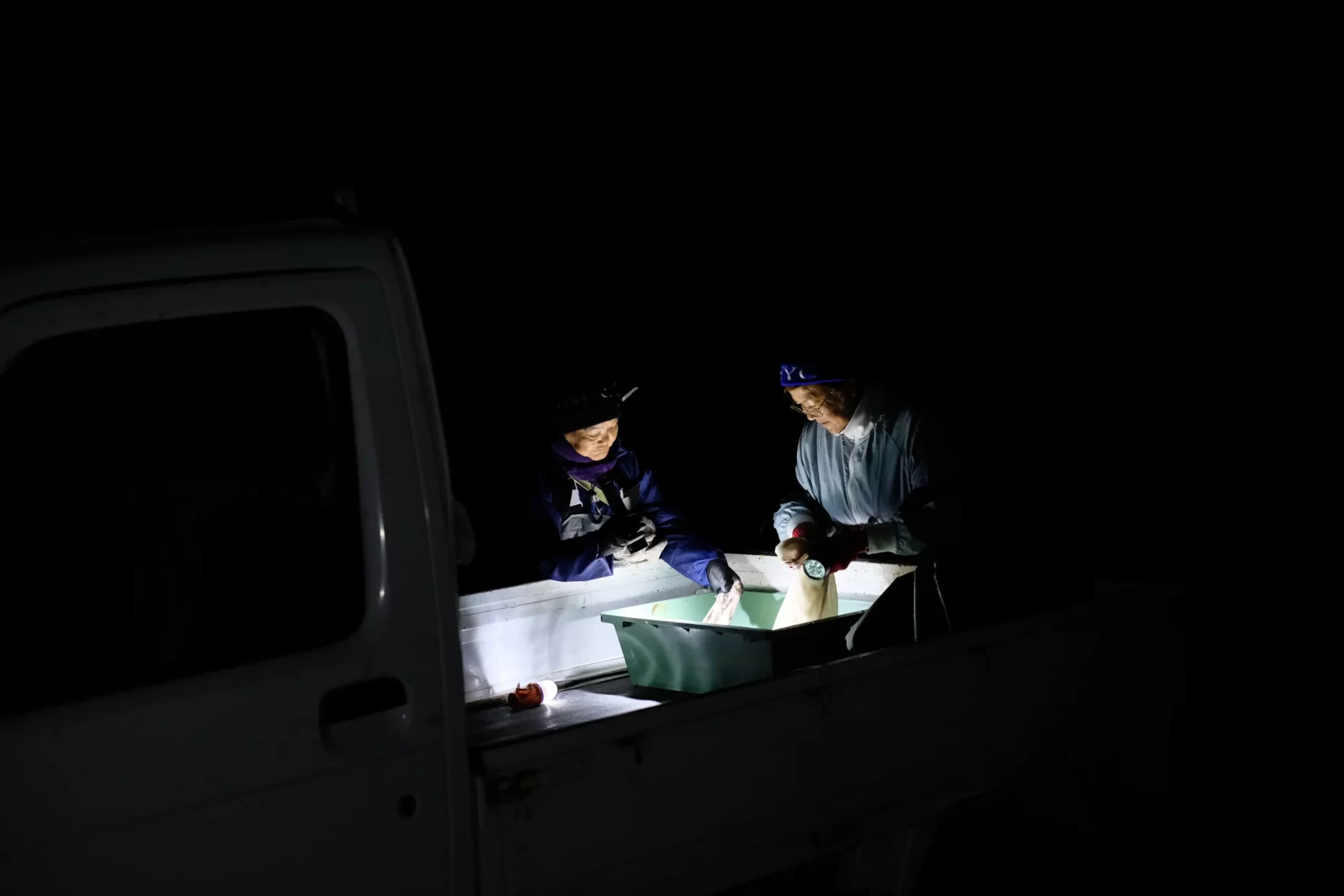
Iheya Island, located at the northernmost tip of Okinawa, is an inhabited island. The island is surrounded by a coastline of coral reefs and sandy beaches, and the sea shines with a jade green hue when the sunlight shines through. The area inside the coral reef is called an "ino," and when the tide goes out, a shallow seabed appears, where izari fishing (a fishing method similar to clam digging, performed at night when the tide is low during spring tides) has been practiced since ancient times. Beyond the coral reef, the open ocean stretches out with large waves. I visited Iheya Island, a place I have been visiting for a long time, to coincide with the new moon.
On the night I was allowed to join the izari fishing group, a strong wind was blowing outside, but the women calmly assured me that the wind would die down. By the time we met up at midnight, the wind had stopped and the sea was still. As I began to walk through the sea, wading through water up to my knees, I was overcome with a sense of relief, rather than fear of the darkness, as I felt the presence of creatures washing over me with the waves.
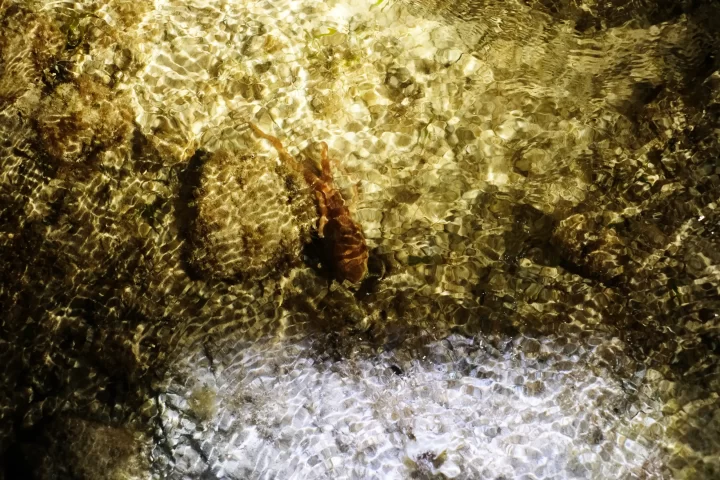
I stood in the lagoon, watching the luminous, pure white shrimp, the crabs walking along the seabed, and the striped sea snakes slithering between my legs. As I raised my gaze to follow the horizon, I saw two figures blurring in the greenish-white light of their flashlights. They timed their movements with the spring tide to catch the octopuses, and their swift use of spears in the darkness made it clear why they were called masters. That evening, in about three hours, we caught one goatfish (a type of mullet), seven octopuses, two more octopuses, and a few shrimp. When we came out of the water, they told me to take everything home because it was a gift from the sea. I carried back enough fish to give to all the guests at the inn.
I was taken aback for a moment, but then I remembered something. Folklorist and toponymist Kenichi Tanikawa, in his book "The Philosophy of the Shore," said, "The shore is a place where equality is ensured. When fishermen use their dragnets, if you go there with a small container, the fishermen will share it equally with you. This follows not only equality in labor but also equality in distribution. A sense of equality towards those who participate in fishing on the shore has existed traditionally since ancient times."
In other words, in this lagoon, a space that is neither land nor sea, nature's blessings have been passed down to those who have lived there for a very long time. The next morning, the octopuses beautifully adorned our breakfast.
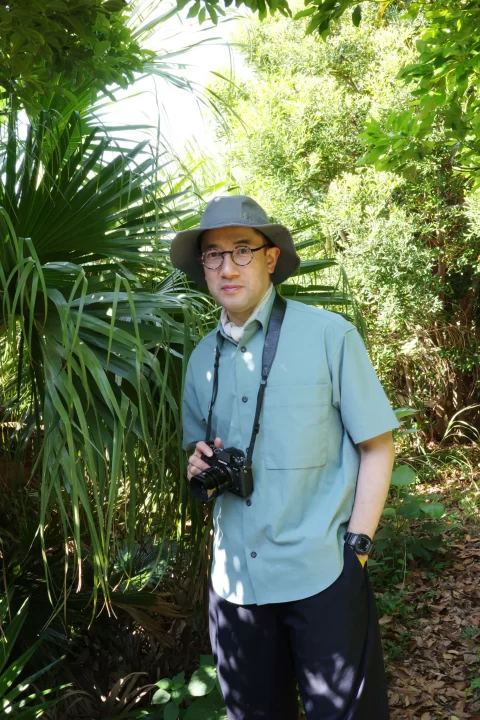
Photos and text by Nao Tsuda
Born in Kobe in 1976, he is a photographer who travels the world, translating the long-standing relationship between humans and nature through his lens. He turns his attention to unseen time in order to discover the world that the ancient layers of culture suggest to us. He has been exhibiting landscape photographs since 2001. More recently, his activities have expanded beyond the field of contemporary art to include collaborative works with other fields, magazine serializations, lectures, and special classes.
His major series include "SMOKE LINE" (2008), "Storm Last Night" (2010), "Grassland Tears" (2016-), "Elnias Forest" (2018), and "LO" (2026). The results of two collaborative marine education workshops with Minato Lab are..."Many eyes watching the sea / The sea that I can hear"It has been published as a book (Minato Lab Publishing).
Website
https://tsudanao.com/
Cooperation: Yoichi Otomo, Masashi Aragaki, Hitomi Aragaki, Shoko Nishie, Hideyoshi Noura, Iheya Village Fisheries Cooperative