Listening to "The Future of the Sea" Vol. 6
Fram Kitagawa (Art Director)
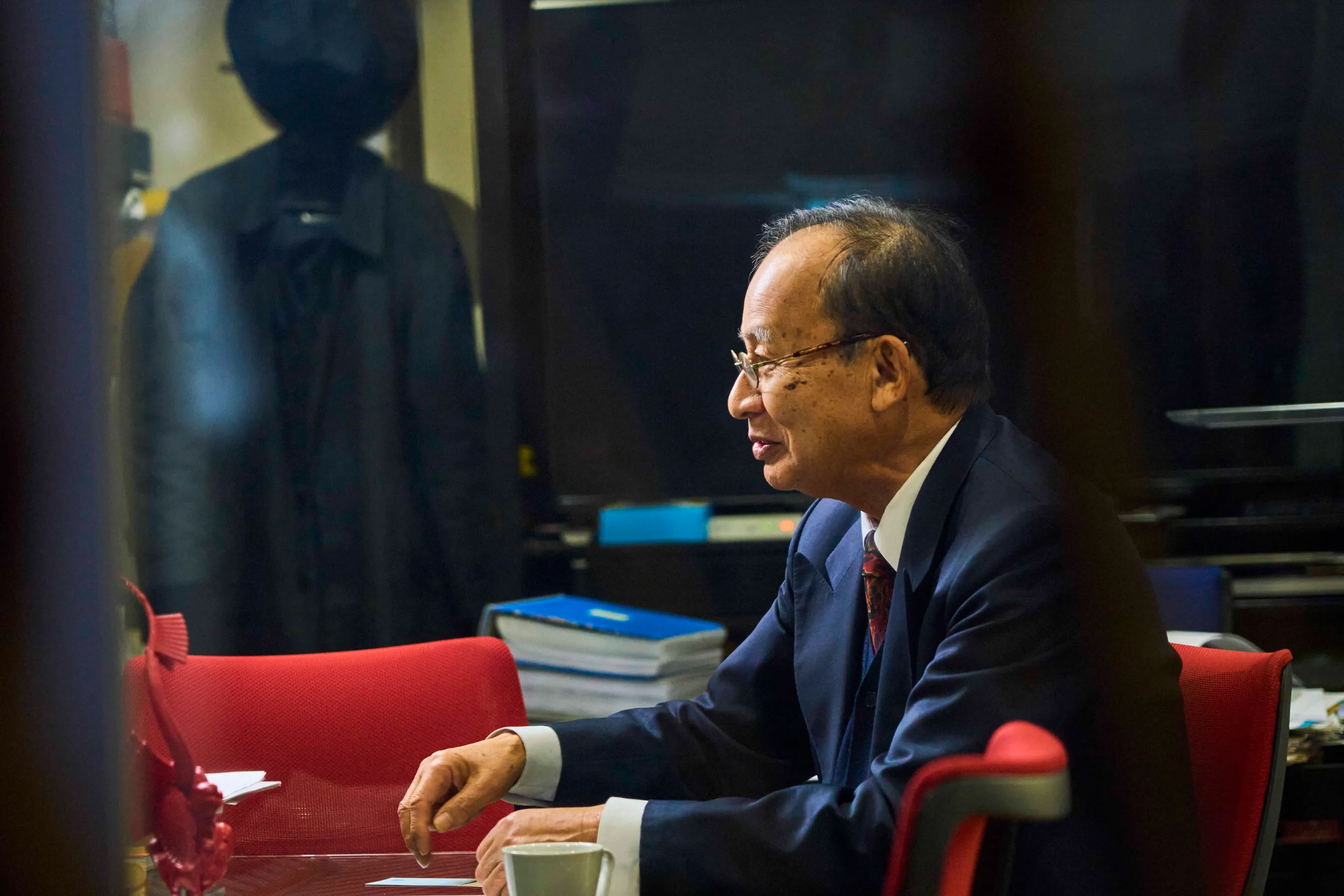
The experience of being in the sea, where all five senses are awakened, is what I want to express through art.
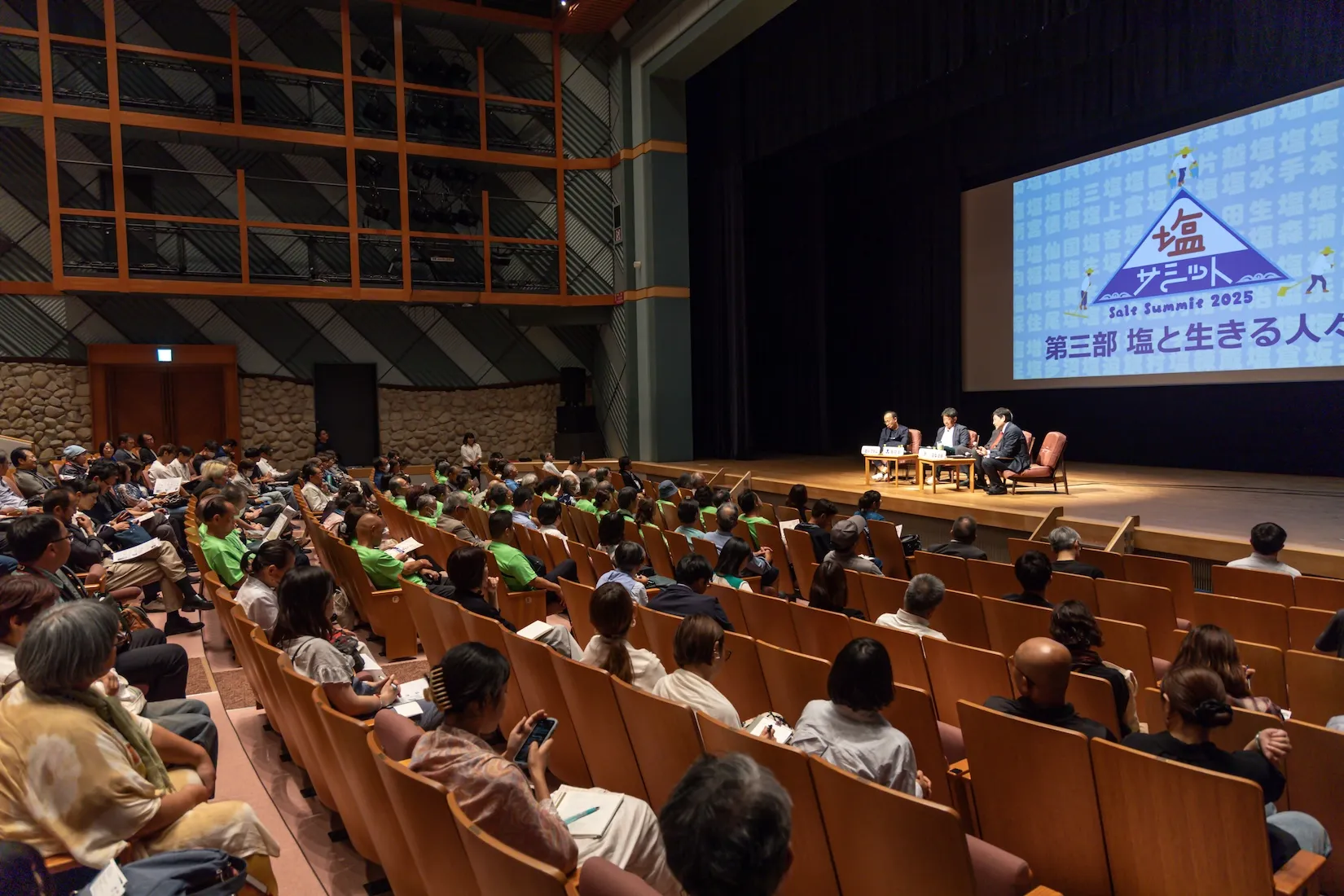
The Setouchi Triennale, which advocates for the revival of the sea, has had art director Fram Kitagawa as its general director since its inception. At the Setouchi Triennale 2025, he held the "Salt Summit." Just as the sea connects people, salt also connects people. It was the world's first attempt to discuss "salt" from every angle, with salt researchers, people involved in the salt industry, people with surnames containing the character for salt, and people from places with salt in their names, such as Shiojiri and Shiogama.
Kitagawa's perspective is grand. For the art festival, he began by considering the formation of the Japanese archipelago. The Eurasian continent shifted, and Japan was born. It is a rare point where four of the Earth's tectonic plates overlap, and crustal movements continue even now. Therefore, it is struck by disasters, but Kitagawa sees this as a sign that it is a "living place."
"The westerlies draw water from the Sea of Japan, collide with mountain ranges, and bring rain and snow. Niigata, where I was born, is such a place. On the other hand, the Seto Inland Sea has little water. Japan has many fault lines, and I want to look at the various things that overlap based on them. There is land, plants grow, vegetation is formed, animals thrive, and then humans join in. I want to firmly grasp this model of the cycle of life and think about what the Japanese archipelago is and what Japanese culture is through this art festival."
He continues, "Because the Japanese archipelago is a frontier for Homo sapiens."
"Japan is an important dead end. Various cultures have clashed on peninsulas around the world. These peninsulas have repeatedly experienced what to choose from among the various cultures that have migrated to them. But Japan is like a pickle shed (a shed found in snowy regions where harvested vegetables are pickled as winter food), it just puts everything in. That's why, despite being an island nation in the Far East, it was able to spread its wings wide in the history of humankind. The fermentation culture is symbolic of this. People who came from the north, the south, the continent, and the peninsula mixed together and created the fermentation culture. It transcends logic; simply put, all sorts of people came from the sea."
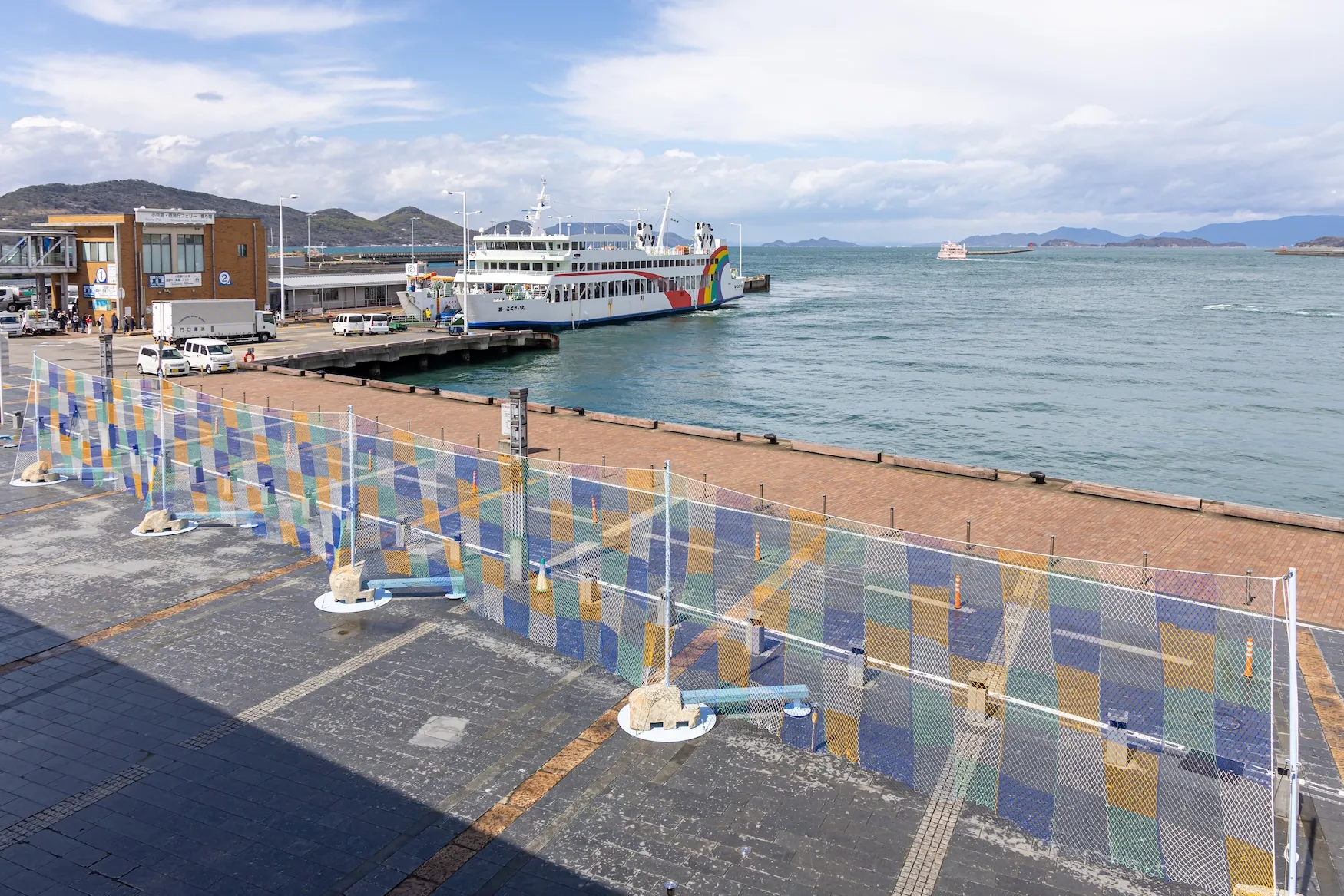
The art festival traces this through art. Japan is the 62nd largest country in the world in terms of land area, but the 6th longest in terms of coastline length. That's why Kitagawa wants us to pay more attention to the sea. The Setouchi region, in particular, is a place where people from all over the world can gather through the sea. Many countries with islands want to participate in the art festival. This is probably because no matter how much airplanes become the dominant mode of transportation, the memory of the sea remains at the core of people's minds.
"Japan, in particular, needs to think about the sea. It's where life is born. The sea both separates and connects things."
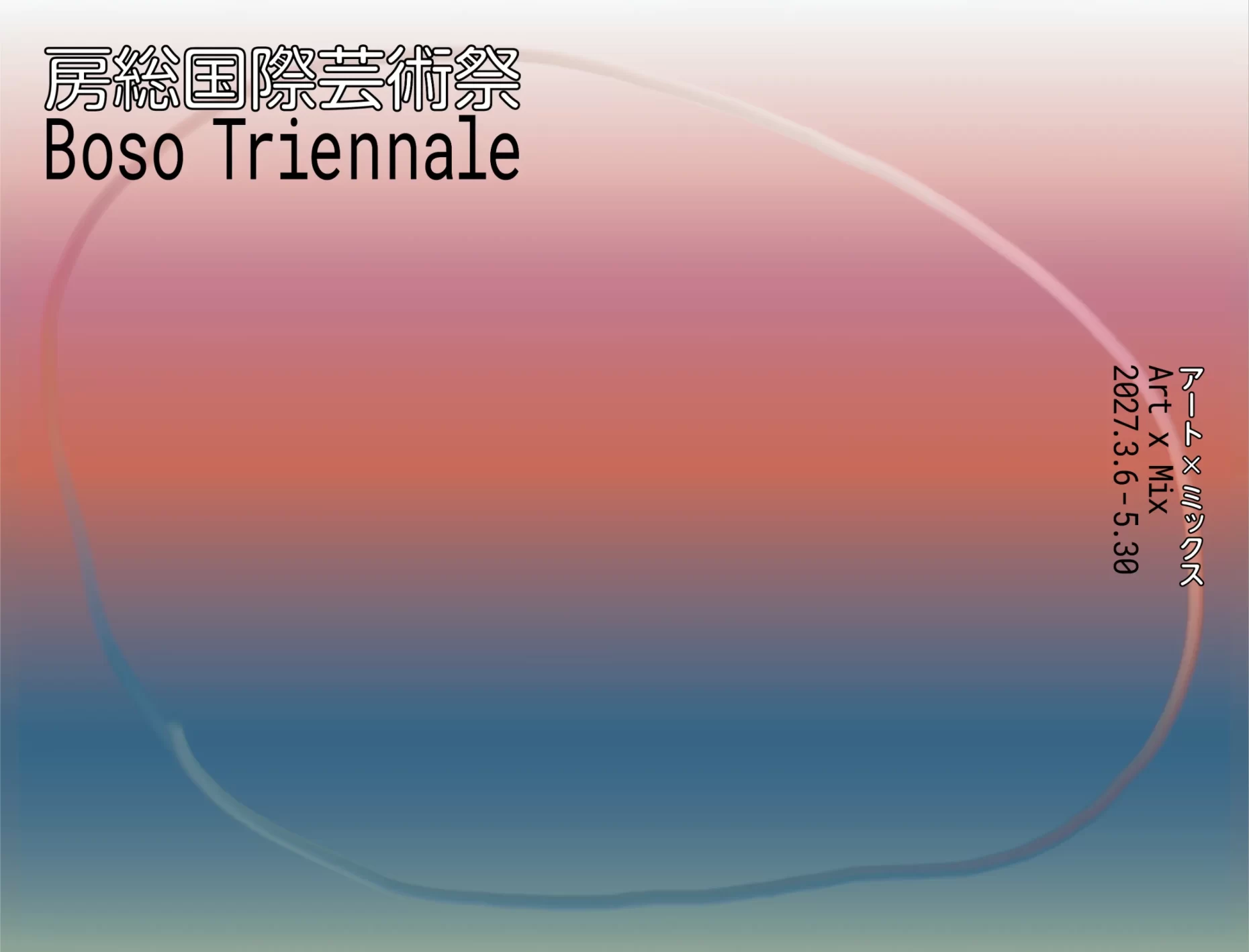
Kitagawa wants to see the sea not only from islands, but also from peninsulas. For example, Suzu, located at the tip of the Noto Peninsula, has a long history of exchange with the mainland. The damage caused by the earthquake is heartbreaking, but people still continue to have a connection with the sea. The sea is both a place of awe and a place of celebration, and festivals deeply connected to the sea are held in various regions. Kitagawa has already organized art festivals in places such as Setouchi, Suzu, and Boso.
Here, Kitagawa gives the example of "Sado Jowa," a folk tale from Sado Island in Niigata Prefecture. It is a love story between a girl living on Sado and a man who came fishing from Kashiwazaki on the opposite shore but was unable to return home due to a storm. When the weather improves, the man returns to Kashiwazaki, where his wife and children are. The girl, whose feelings for him grow stronger each day, crosses to Kashiwazaki in a tub boat and meets him repeatedly in the grounds of a shrine. However, the man eventually comes to resent and even fear the girl who comes every night. The man extinguishes the light on the cape that serves as a landmark to Kashiwazaki. The girl, having lost her landmark, wanders the sea and her body washes ashore a few days later. This tragic love story became a hit on record during the Showa era and became widely known.
"It's a magnificent story. It shows another side of the sea, and it shares similarities with Andersen's tales. However, at the art festival, I want people to experience the sea as much as possible as something fun and interesting."
While there's no criticism of showcasing art in a white cube, Kitagawa believes we're in an era where art needs to be developed site-specifically. Many of his exhibitions are held in regional areas, and even now, he spends most of his week traveling somewhere, taking the first and last trains of the day.
"We want to make art a place for exchange, not just a means of tourism. The Echigo-Tsumari Art Festival is now influencing China as well. The five-year plan, a key national policy, even mentions the importance of art festivals for regional revitalization."
Finally, we asked them what kind of ocean they would like to leave for the future.
"What I love most is the moment when I dive into the sea, run out of breath, and feel a soft glow as I rise to the surface. It's an experience. In the absence of light, with no breath, my five senses are awakened in the ocean. That feeling is what I want to express through art. The feeling of simply dissolving away, as if my body and mind have disappeared, is in a sense the most open feeling. That might be my starting point."
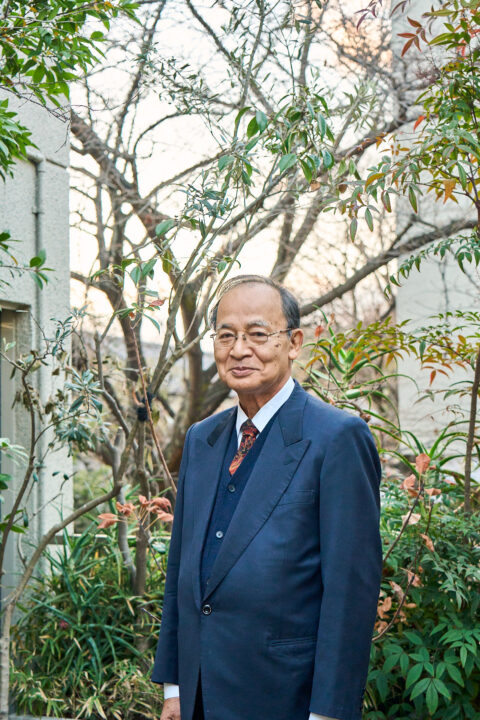
Fram Kitagawa
Art Director,Art Front GalleryRepresentative. Born in Niigata Prefecture in 1946. Graduated from the Faculty of Fine Arts, Tokyo University of the Arts. In 1971, she established "Yuria Pemperu Studio" mainly with students and graduates of Tokyo University of the Arts, and has been involved in the planning and production of exhibitions, concerts, and theatrical performances. In 1982, she established Art Front Gallery Co., Ltd. As a practical application of art in community development, she has served as general director for "Echigo-Tsumari Art Triennale" (2000-), "Setouchi International Art Festival" (2010-), "Ichihara Art x Mix" (2014, 2021), "Northern Alps International Art Festival" (2017, 2021, 2024), "Oku-Noto International Art Festival" (2017, 2021, 2023), "Gero Art Discovery 2026", and "Boso International Art Festival Art x Mix 2027". She has received numerous awards, including the French Order of Arts and Letters Chevalier, the Polish Order of Culture, and the Asahi Prize. Recipient of the Order of Cultural Merit in 2018.